Why a Shadow at the Edge of Vision Can Disappear
Peripheral vision is good at detecting movement and broad shapes, but it sees less detail than the center of your gaze. In dim light, a coat, doorway, or shifting patch of shadow may register as a person-like outline before you can identify what made it. When you turn to look, the image falls on the sharper central part of your vision, where its ordinary features become clearer—or the angle and lighting change enough that the outline is no longer apparent.
A Brief Perception Becomes a Figure
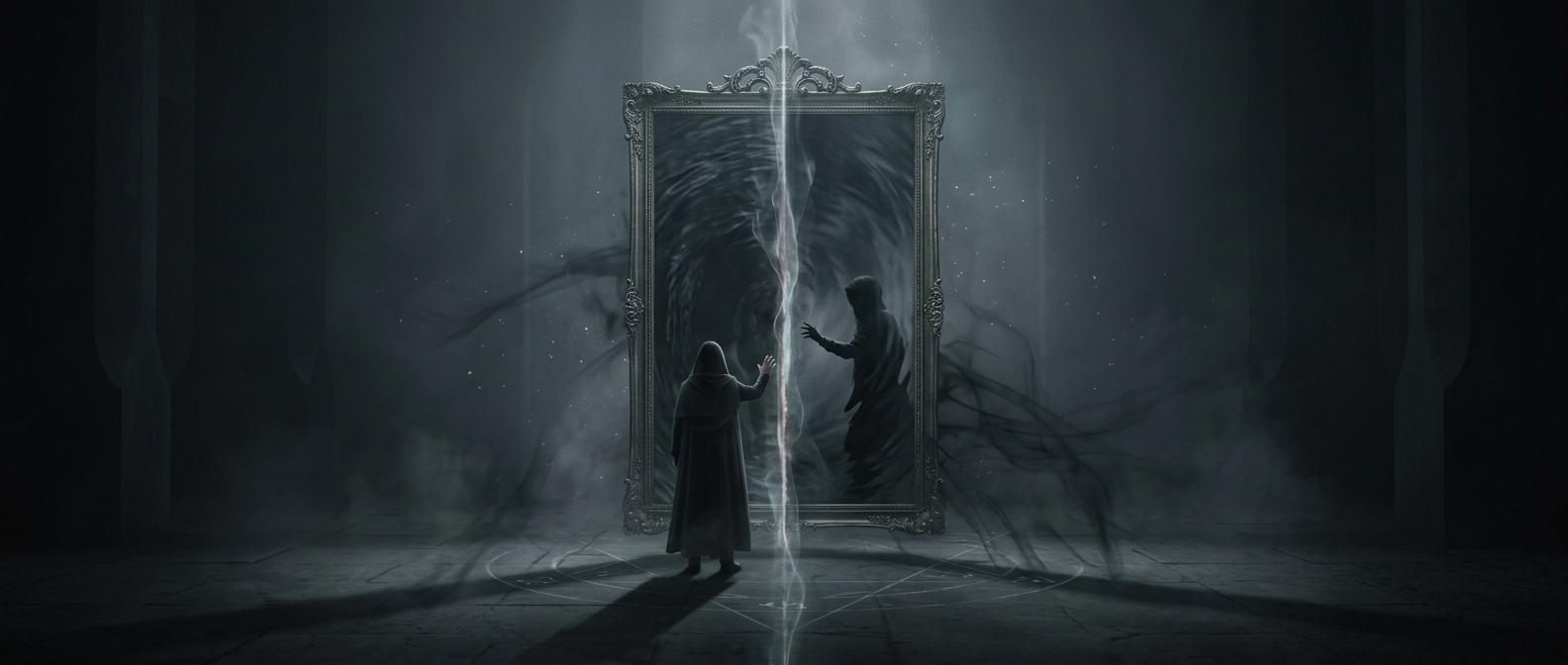
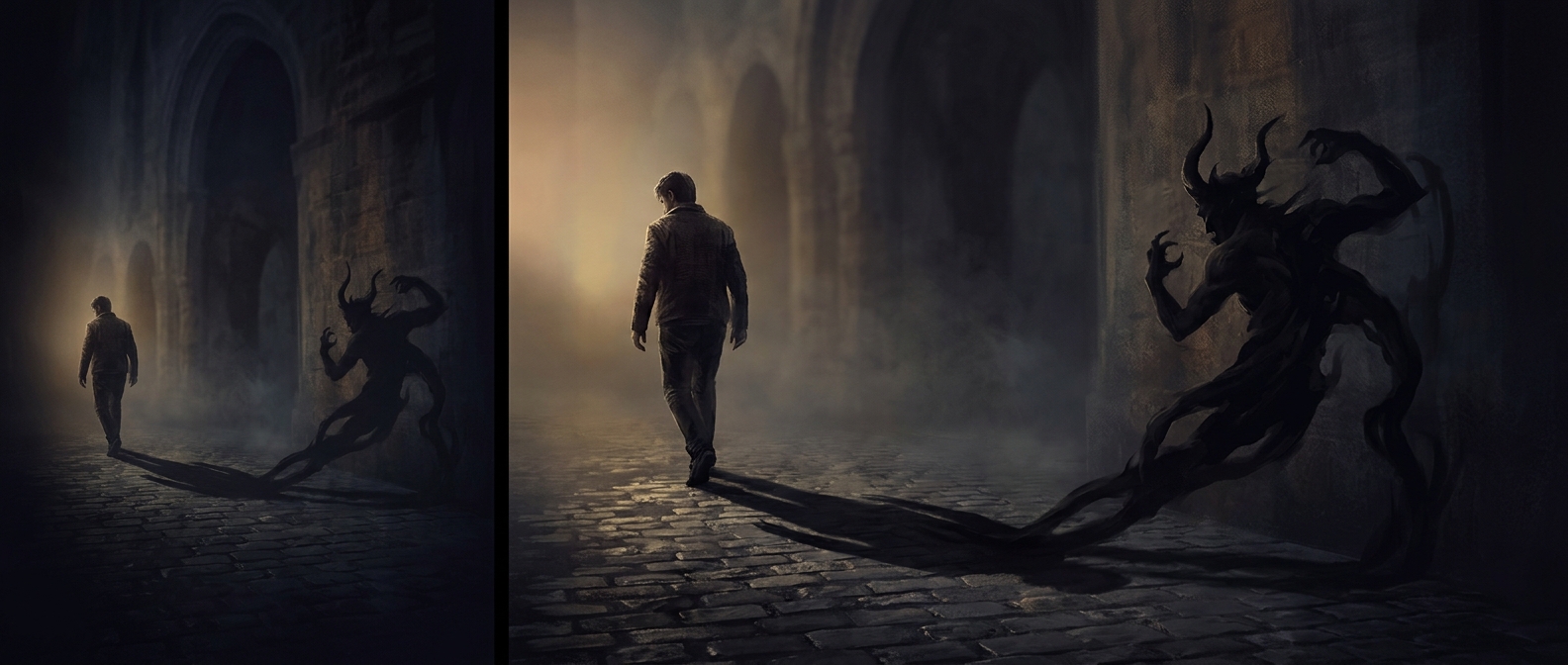
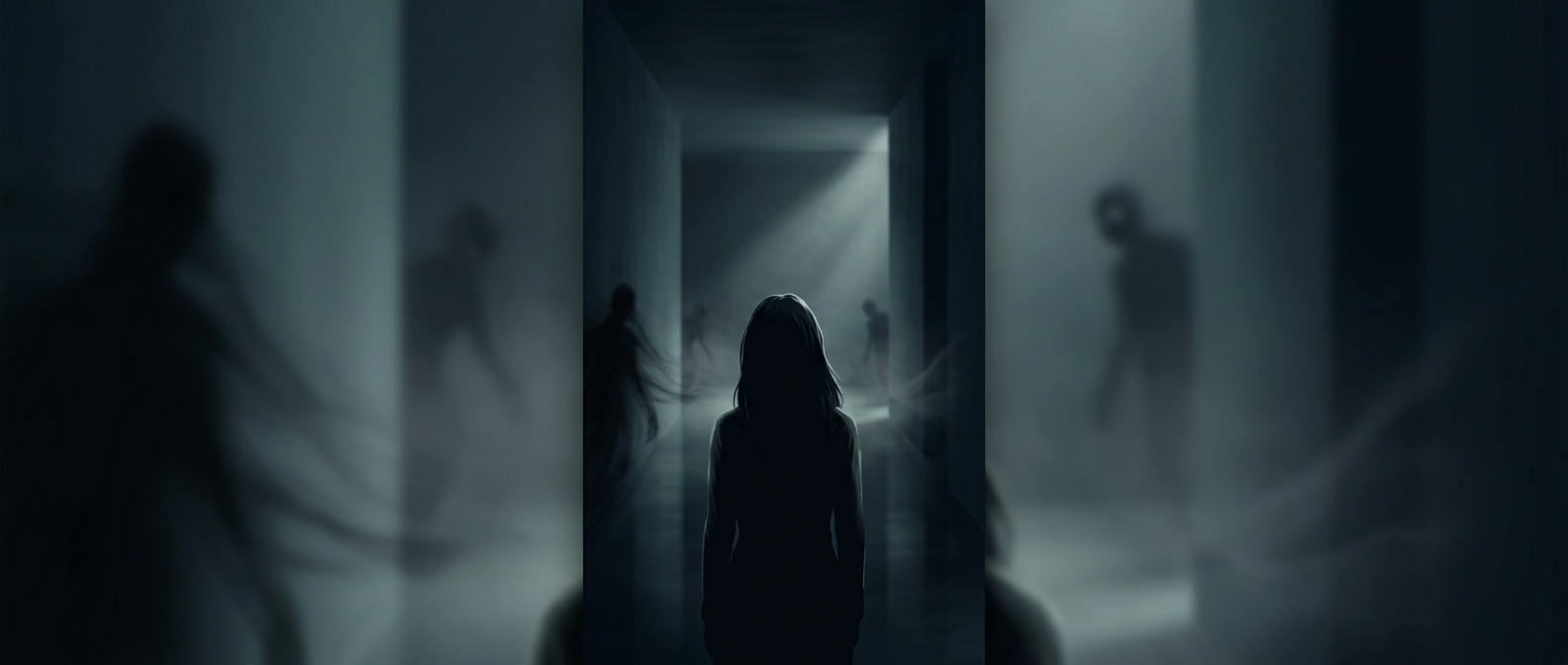
The brain rapidly interprets incomplete visual information, using context to make a best guess. A narrow dark shape in a hallway can momentarily fit the familiar pattern of a standing person; attention then locks onto that interpretation. This helps explain why reports often describe a figure that seems to vanish precisely when someone looks directly at it, without requiring the experience to be deliberate or fabricated.
People may understand such encounters through personal, cultural, or spiritual beliefs. The visual experience itself can be vivid, but a fleeting glimpse alone cannot establish what caused it. The striking detail is how little information peripheral vision needs to suggest a presence—and how quickly a direct look can change the scene.