Why 13 carries a positive meaning in Jewish tradition
The number’s significance comes from two different ideas: a young person’s growing religious responsibility and a traditional description of divine mercy. Together, they give 13 associations that are more meaningful than a simple claim that the number brings good fortune.
A milestone of responsibility
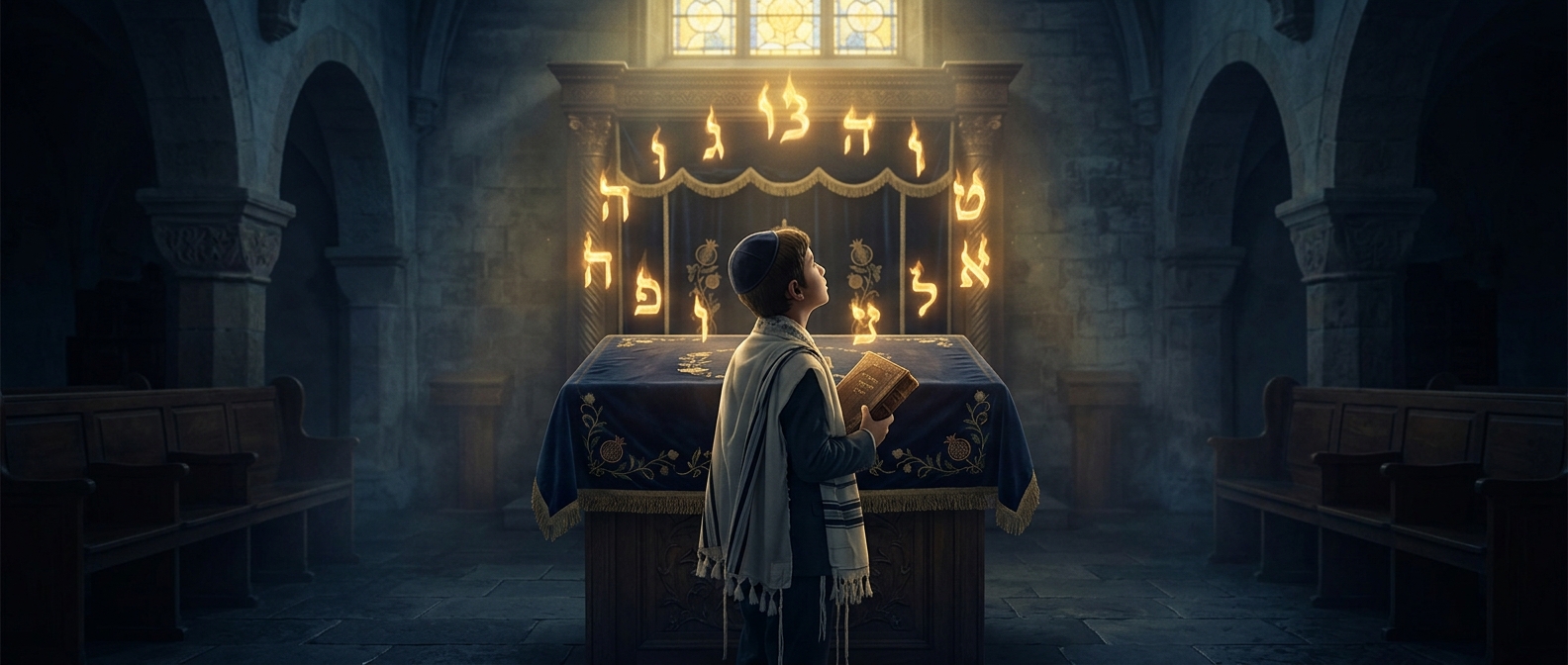
At 13, a Jewish boy traditionally becomes a bar mitzvah, meaning “son of the commandment.” The milestone marks the age at which he is considered responsible for observing Jewish commandments. It is not a transformation caused by a ceremony: the celebration recognizes a change in religious status, often with a synagogue service and a gathering with family and community. Many communities also celebrate girls’ coming of age, though the customs and terminology vary.
That makes 13 a number associated with entering a new stage of life—not just receiving a birthday or a gift. The emphasis is on responsibility and participation in Jewish life.
A number linked with mercy
Thirteen also appears in the traditional count of the 13 attributes of divine mercy, a series of descriptions of God drawn from the Book of Exodus. They are recited in Jewish prayer, particularly in moments of communal supplication, or earnest prayer for help. In that setting, the number is connected with compassion and forgiveness.
These associations do not mean every Jewish community treats 13 as a universal lucky charm. Rather, the number can feel auspicious because it appears at a meaningful coming-of-age milestone and in a revered account of mercy. A birthday marking new obligations and a prayer invoking compassion give 13 its distinctly positive resonance.