Why “two” can feel quietly disapproving
This playful interpretation begins with a familiar contrast: two suggests a pair. A pair can imply cooperation, symmetry, and the effort to keep both sides in balance. In numerology and other symbolic readings, those qualities are often treated as the number’s character—not as measurable properties of the numeral itself.
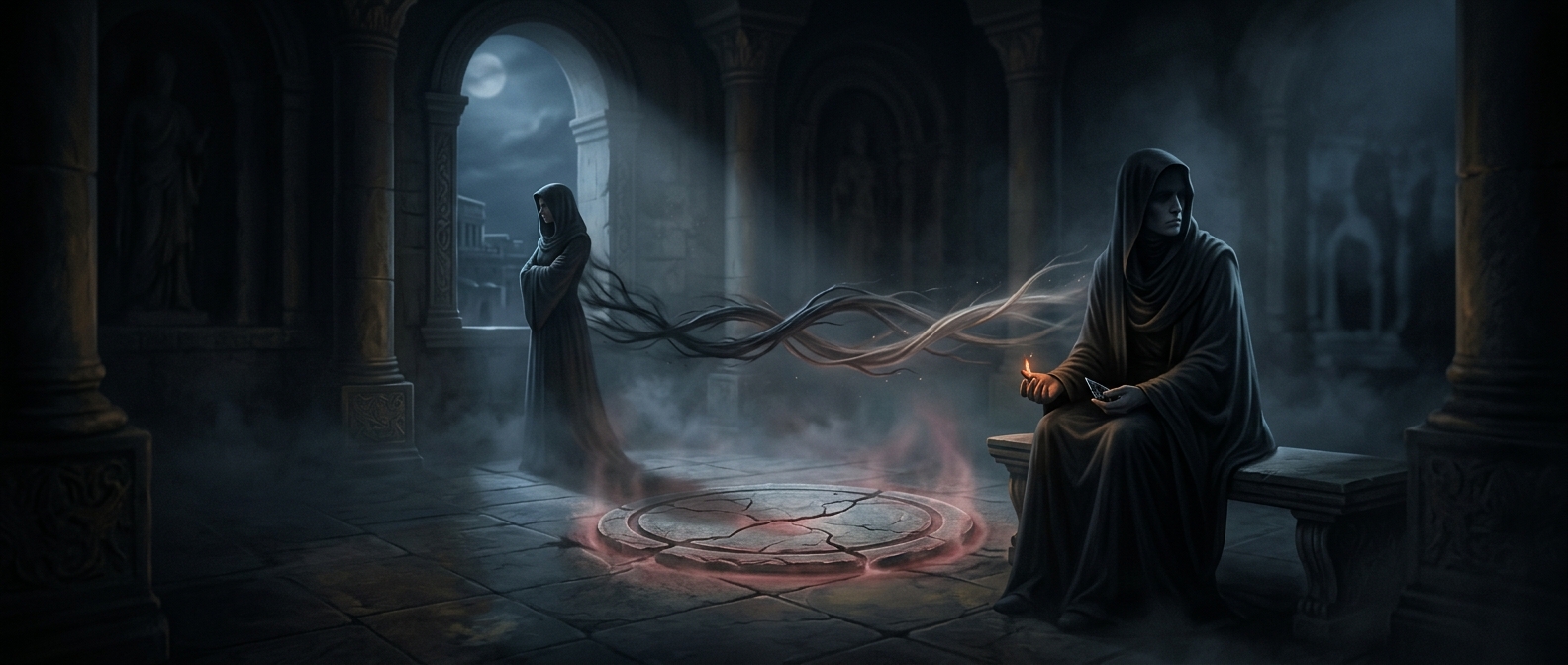
That makes “I’m fine” a fitting joke. Rather than openly disrupting the peace, this imagined two preserves the appearance of agreement while leaving room for unspoken irritation. Its passive-aggressiveness comes from the gap between harmony on the surface and tension underneath.
Balance has a shadow side
The same symbolism can be read more generously: two may represent partnership, listening, or compromise. But compromise can also mean yielding to avoid an argument, even when a disagreement has not really been resolved. In the joke, the number’s wish for balance becomes an unwillingness to say plainly what is wrong.
The point is not that numbers cause people to behave this way. It is a bit of character-writing built from a symbolic association: give “two” a preference for harmony, then imagine what happens when keeping the peace matters more than honest conversation.