How a dating plan became a business model
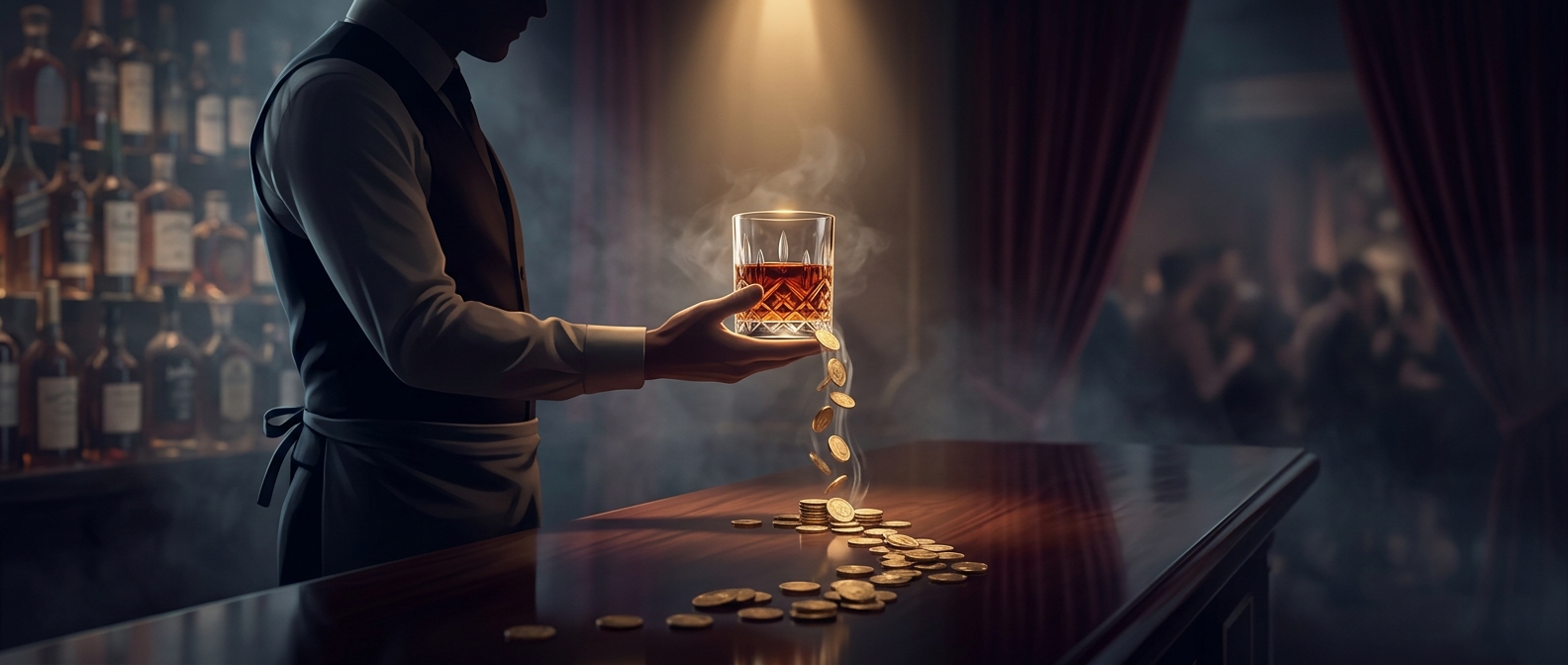
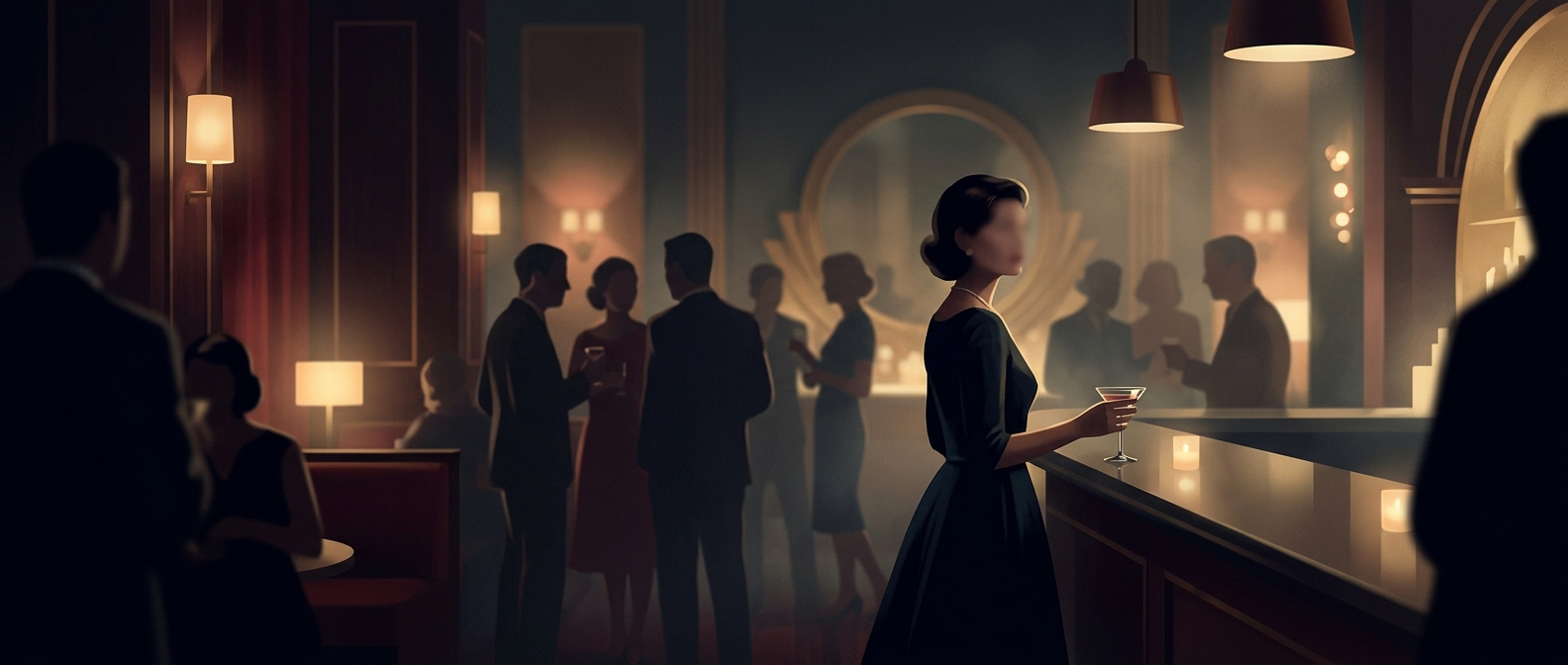
A conventional tavern mainly serves people who already know where they want to drink. Stillman’s idea was to make the bar itself a reason to go out: a place where unattached people might meet. That shift mattered commercially because it gave customers more than a drink to come back for. They could arrive hoping to socialize, even without a date or a group already assembled.
The value of a room full of strangers
A singles bar depends on a social mix. The more people come expecting to meet others, the more appealing the room becomes to the next visitor. That feedback loop can turn a bar into a destination rather than just a nearby stop. Stillman’s neighborhood—crowded with flight attendants and models—offered a ready-made audience for that proposition.
The business also made a personal problem legible to customers: finding someone to talk to could be easier in a public place where many people had come for the same reason. The bar supplied the setting; drinks and a night out gave people a comfortable way to stay.
From occasion to habit
The larger commercial lesson was that a restaurant or bar could sell an experience organized around a social need, not merely food or alcohol. A customer might come for the possibility of meeting someone, then return because the venue had become part of a regular night out. Stillman’s dating strategy became a business when it gave strangers a shared reason to walk through the same door.