The tip rises by a fraction of the drink’s price
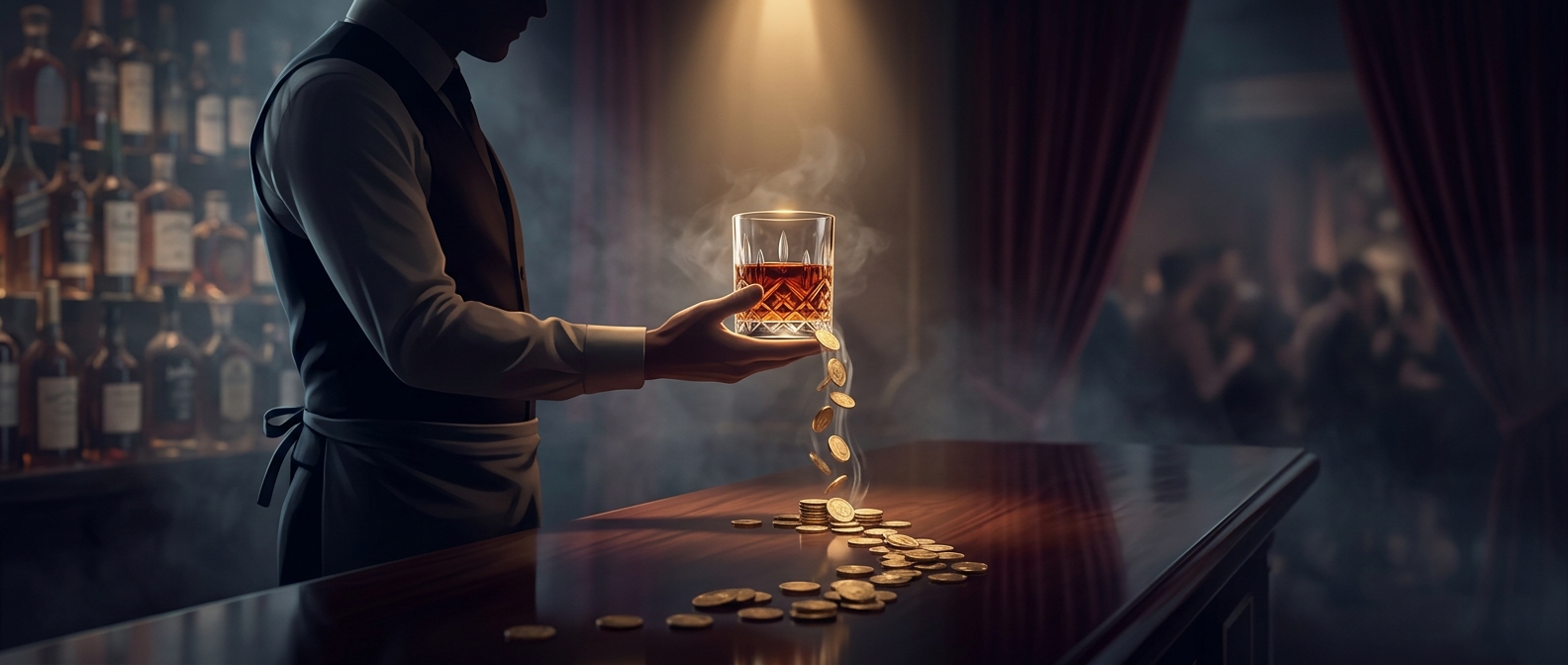
When a gratuity is calculated as a percentage of the bill, each extra dollar on the bill adds only that percentage to the tip. At a hypothetical 20% rate, choosing a $20 drink instead of a $12 one adds $1.60 to the gratuity—not $8. The guest pays the full price difference; the server receives only the tip portion, and may receive less personally if tips are pooled or shared under the restaurant’s system.
That creates a small financial incentive to sell a more expensive option, but it is not the same as a commission that rewards the server dollar for dollar. Whether the added cost is worthwhile depends on what the drink offers the guest: a different ingredient, preparation, or experience may matter, while a higher menu price alone does not establish a better match for someone’s taste.
Price changes the bill, not the value automatically
Restaurants set drink prices for reasons that can include ingredients, labor, operating costs, and pricing strategy. Those factors can affect the price without telling a guest whether the drink will suit them. A useful recommendation should therefore connect the option to a preference—such as sweetness or flavor—rather than rely on the larger price tag as proof of quality.
For the guest, the arithmetic is simple: a percentage-based tip makes the gratuity grow along with the bill. The increase is usually smaller than the extra charge, but it is still part of the decision. The higher-priced drink changes what the guest pays for both the drink and the tip; it does not, by itself, change what the drink is worth to them.