How a Finished Track Can Become Someone Else’s Product
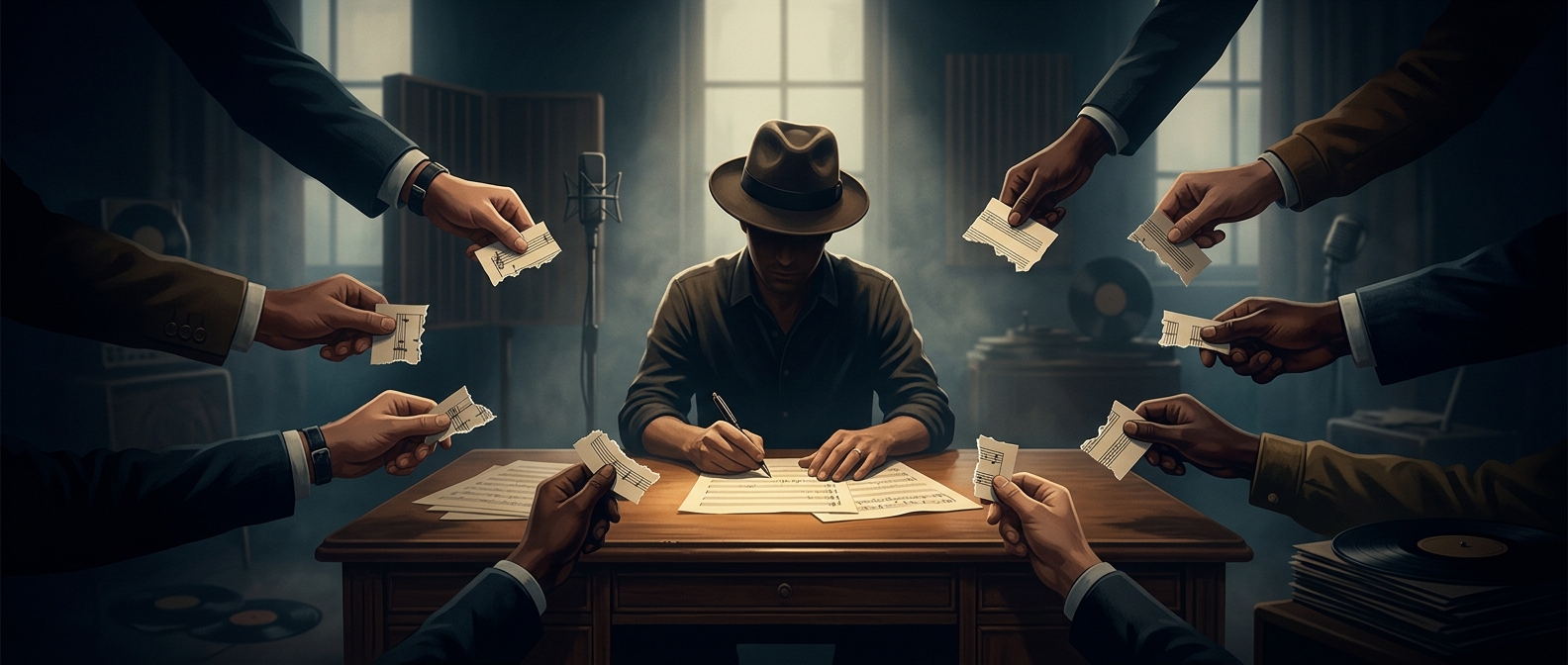
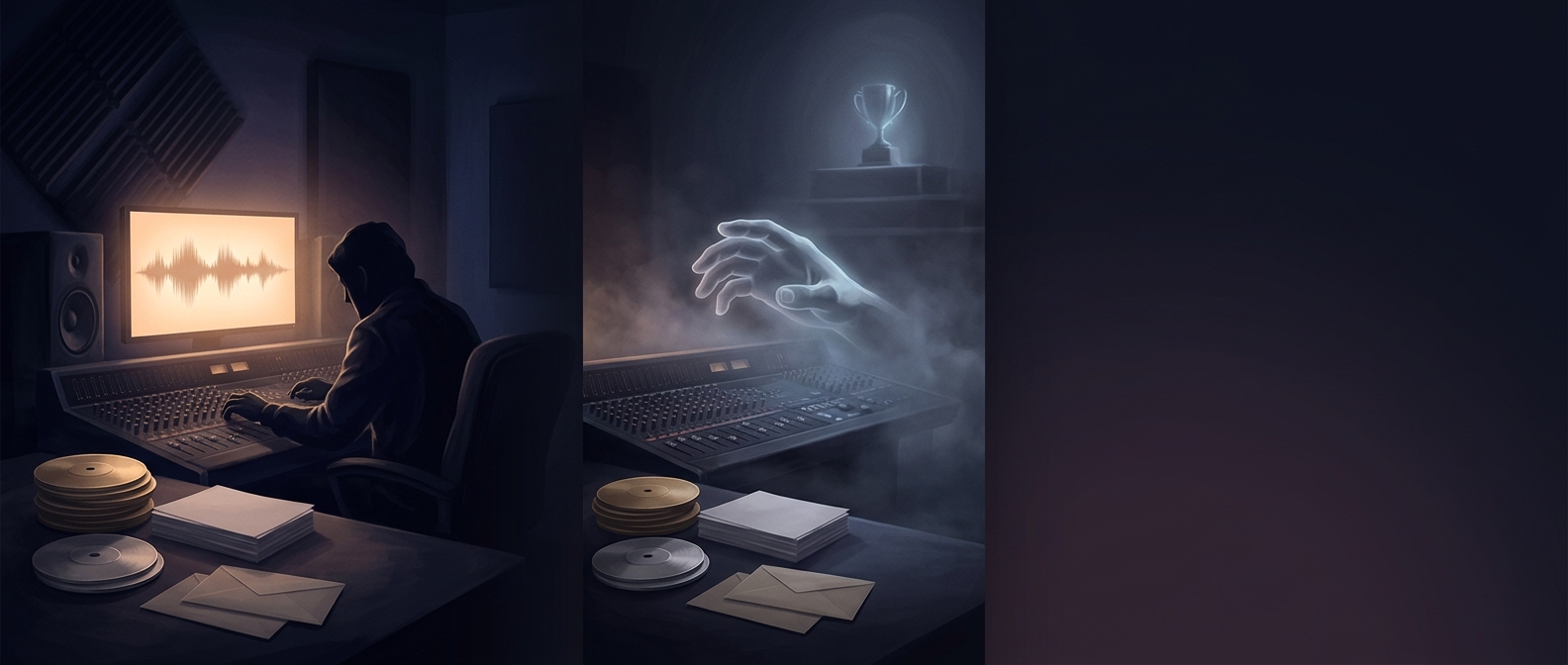
A ghost producer is paid to make music that another artist releases under their own name. The work may include writing the melody, arranging sounds, and mixing the finished track. Once the buyer acquires the agreed rights, the producer may have no public credit or continuing share in the song’s success.
That arrangement turns a creative work into a one-time business transaction. The producer receives money up front and avoids the uncertainty of building an audience, negotiating a record deal, or waiting for royalties. The famous DJ, meanwhile, gets a release-ready track that fits an established sound and can be promoted to an existing fan base.
The Trade: Certainty for a Share of the Spotlight
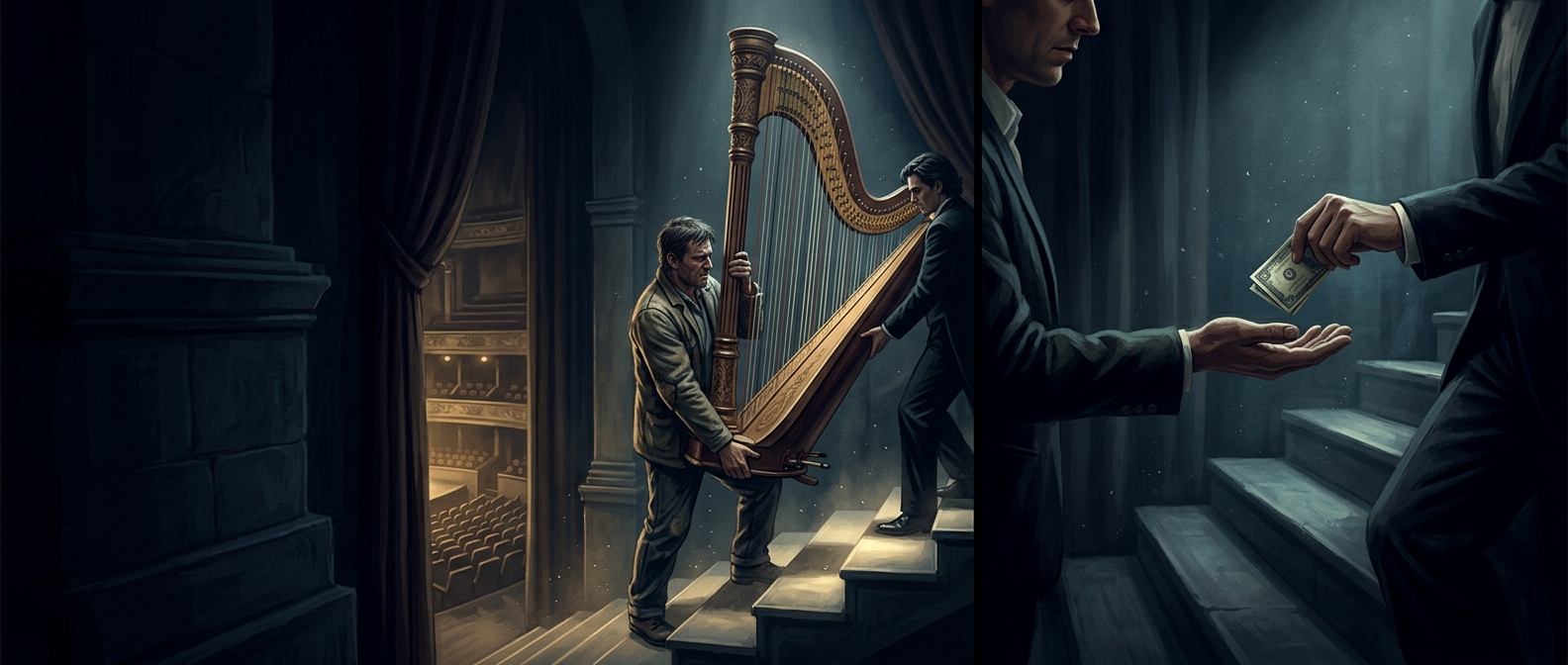
A flat fee is valuable because it is predictable: the producer knows what the project pays, whether the track becomes a hit or disappears. But that certainty comes at a cost. If the song earns far more than expected, the producer generally does not benefit unless the contract preserves royalties, credit, or other rights.
For the DJ, buying a track can save time and provide a steady supply of music. It also carries a reputational risk. Fans may assume the artist personally created the music, so disclosure could affect how they judge the performer’s skill or authenticity. That makes confidentiality part of the product—not just the audio file.
What the Contract Actually Decides
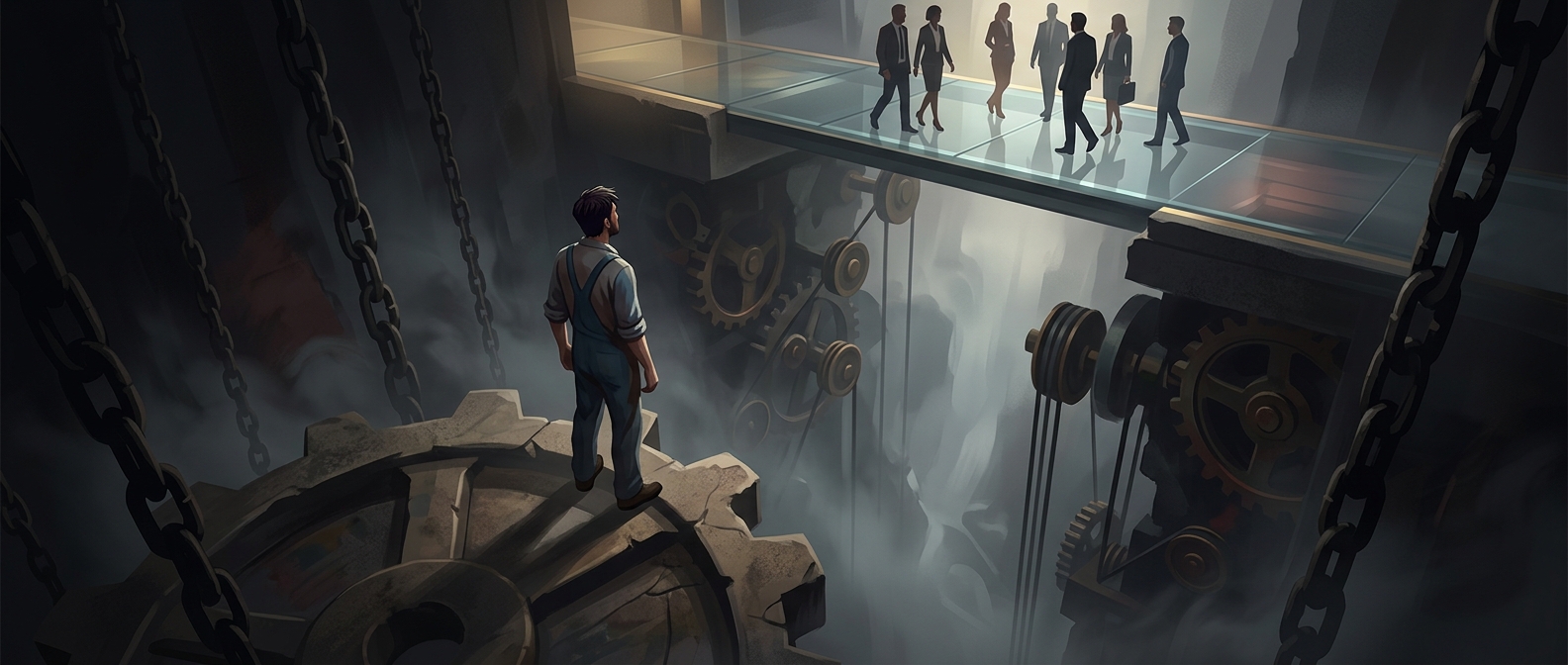
“Ghost production” does not automatically mean every project has identical terms. Contracts determine what rights move to the buyer, whether the producer can reuse parts of the work, and whether any credit or royalties remain. The central tradeoff is simple: the buyer gains control and public association; the producer gets paid without sharing the public identity attached to the track.
A song can therefore be both the producer’s craft and the DJ’s public-facing product. The person audiences recognize may be the one who selected, released, and performed the track—not necessarily the person who built it from the first note.