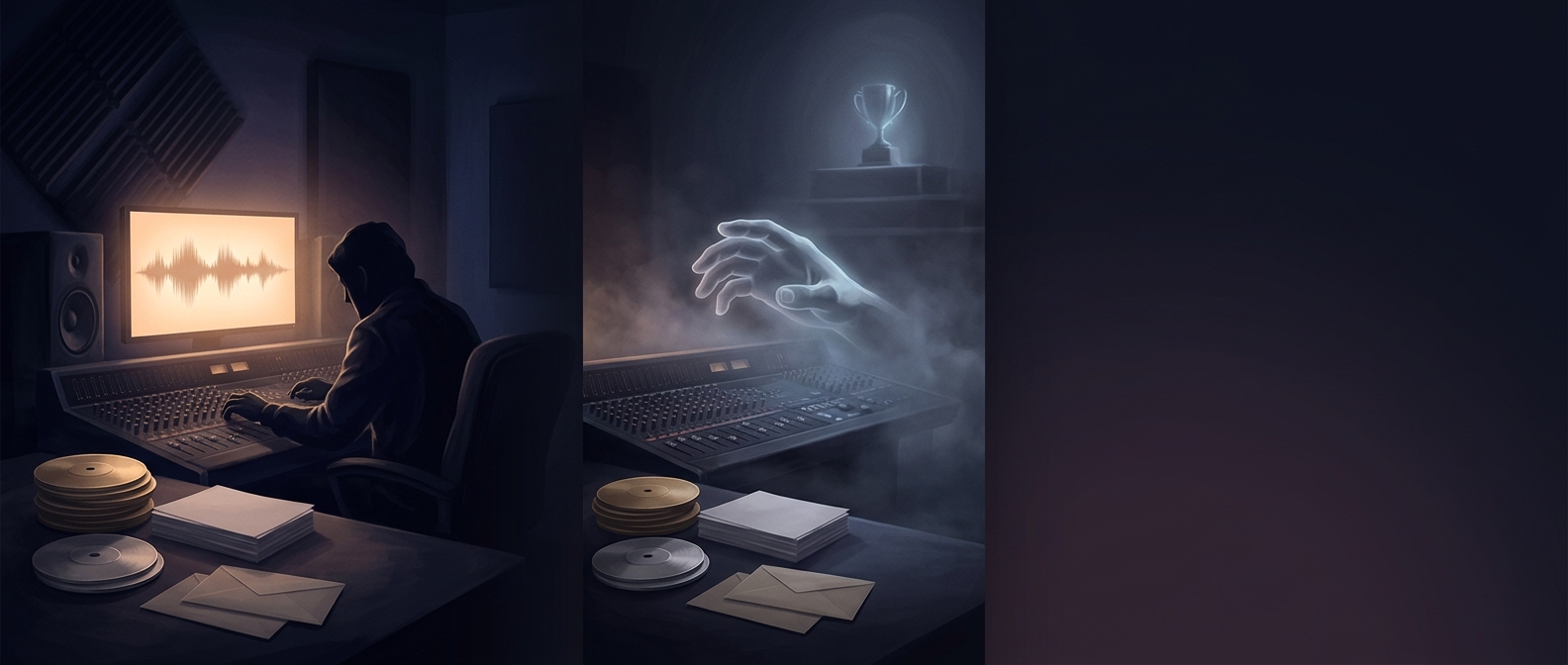
A songwriting split assigns a share of future income
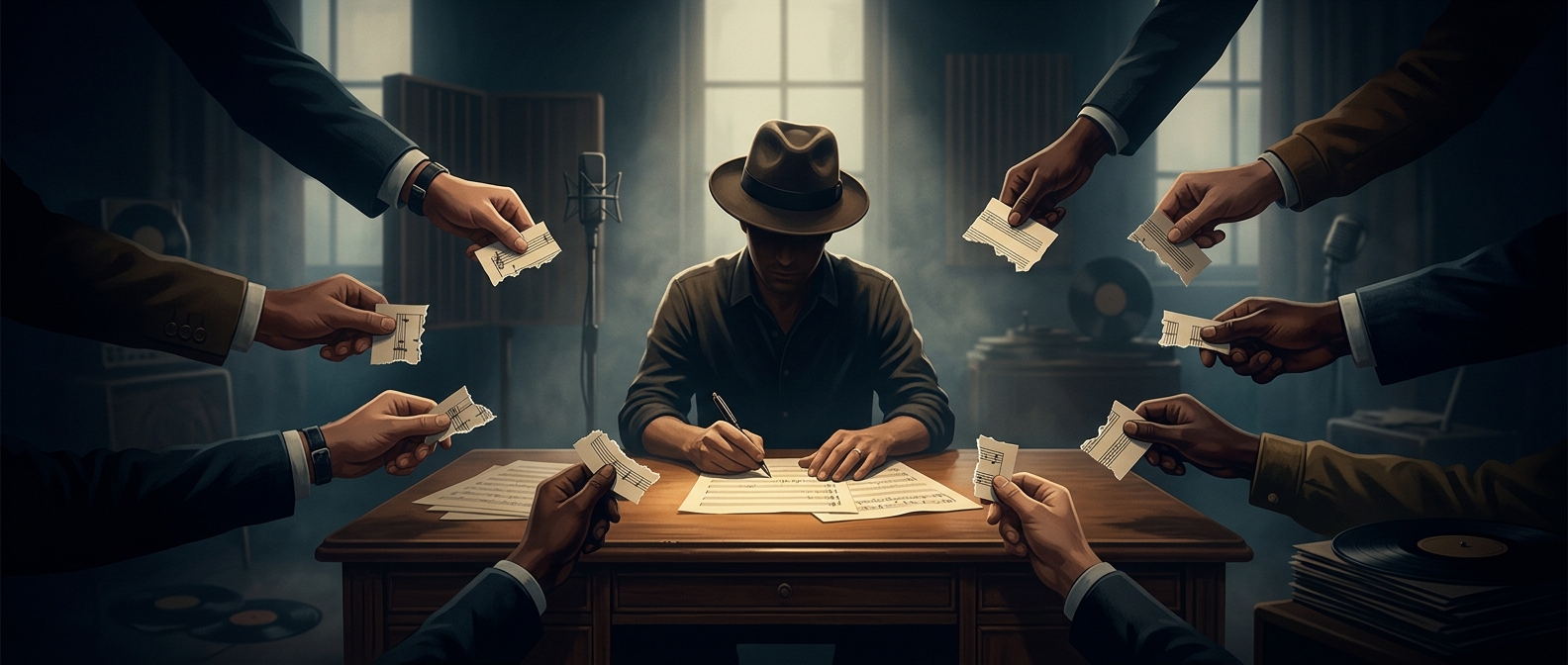
A song’s writers usually divide the income tied to its composition—the melody and lyrics—through agreed percentages called a split. That is separate from ownership of the recording itself. Once a split is set, it can affect royalties whenever the composition is used, so even a small percentage may matter over years of streaming, radio play, performances, or licensing.
Why a small change can become a big negotiation
A lyric revision or melodic idea may genuinely shape the finished song, but there is no simple formula that converts a contribution into a precise share. Writers and publishers negotiate the split, often drawing on session agreements, notes, and each participant’s account of what happened. Being in the room alone does not establish authorship; the dispute is whether someone contributed to the composition, and how much that contribution should count.
The bargaining is also unequal. A high-profile artist may have more influence over whether a song is recorded, released, or promoted, while the original writers may depend on that opportunity. Asking for credit can therefore be a business demand as well as a claim about creative work. The writers may agree to a smaller share rather than risk losing the recording opportunity—or refuse if they believe the request exceeds the contribution.
The split follows the song beyond the studio
Because songwriting income can recur long after a session ends, a negotiated share is not merely a thank-you in the credits. It reallocates part of the composition’s future earnings from the other writers. That is why a seemingly minor studio-room change can become a consequential question of both authorship and leverage.