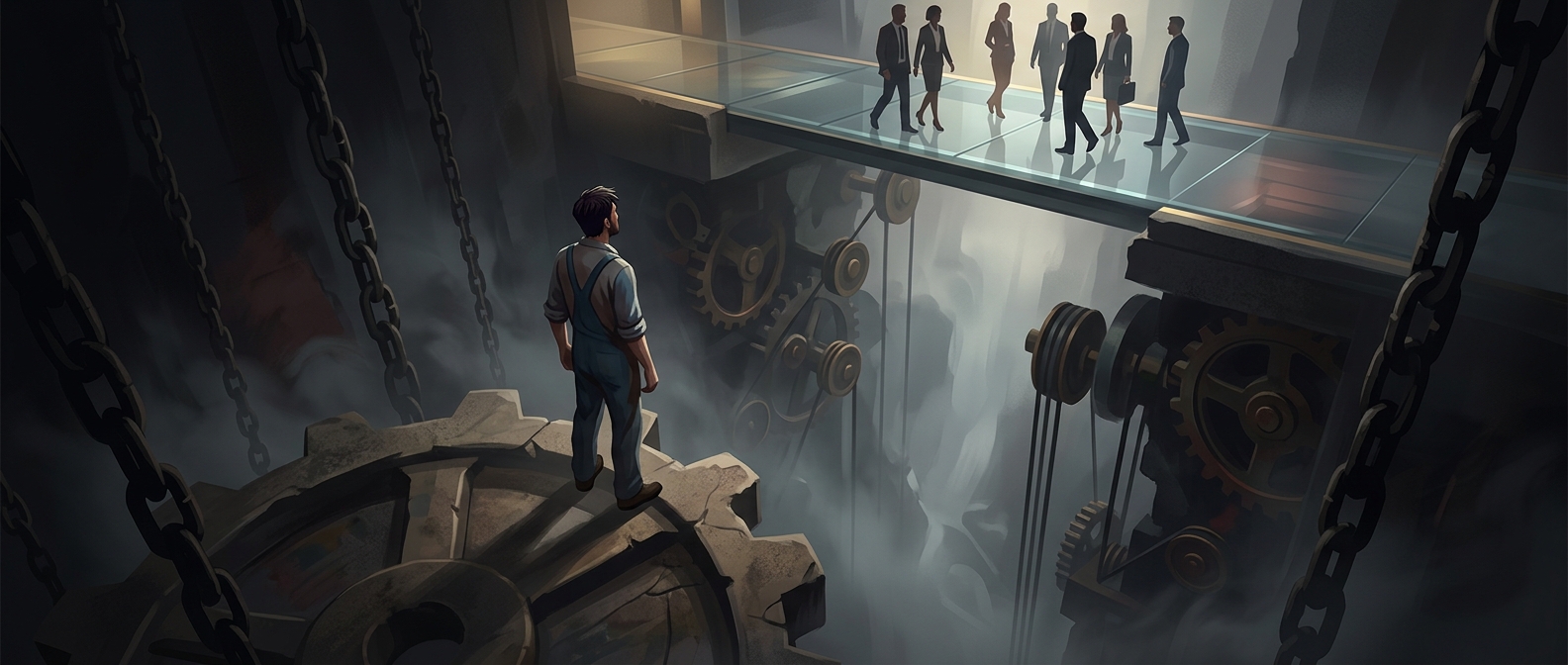
Why the federal wage floor loses ground
The federal minimum wage is a nominal amount: a fixed number of dollars, not a promise of fixed purchasing power. It has been $7.25 an hour since 2009. Because federal law does not automatically adjust that rate when prices rise, each increase in the cost of necessities can make the same hourly pay cover a little less.
Economists call pay measured against prices a real wage. If a worker’s hourly rate stays the same while groceries, rent, and transportation become more expensive, the nominal wage is unchanged but the real wage falls. The loss happens gradually, without a pay cut appearing on a paycheck.
Why the gap does not close by itself
Changing the federal floor requires a new law from Congress; inflation alone does not trigger an increase. That makes the wage floor a policy choice, rather than a rate that automatically keeps pace with living costs. In the meantime, employers covered by higher state or local minimums must follow the higher applicable rate, so the federal figure is not every worker’s actual wage floor.
The practical consequence is that the value of a wage standard depends not only on the number lawmakers set, but also on how long they leave it unchanged. A rate written in dollars can look identical on paper for years while buying a steadily smaller share of an ordinary household’s expenses.