How gratuities shifted payroll costs onto customers
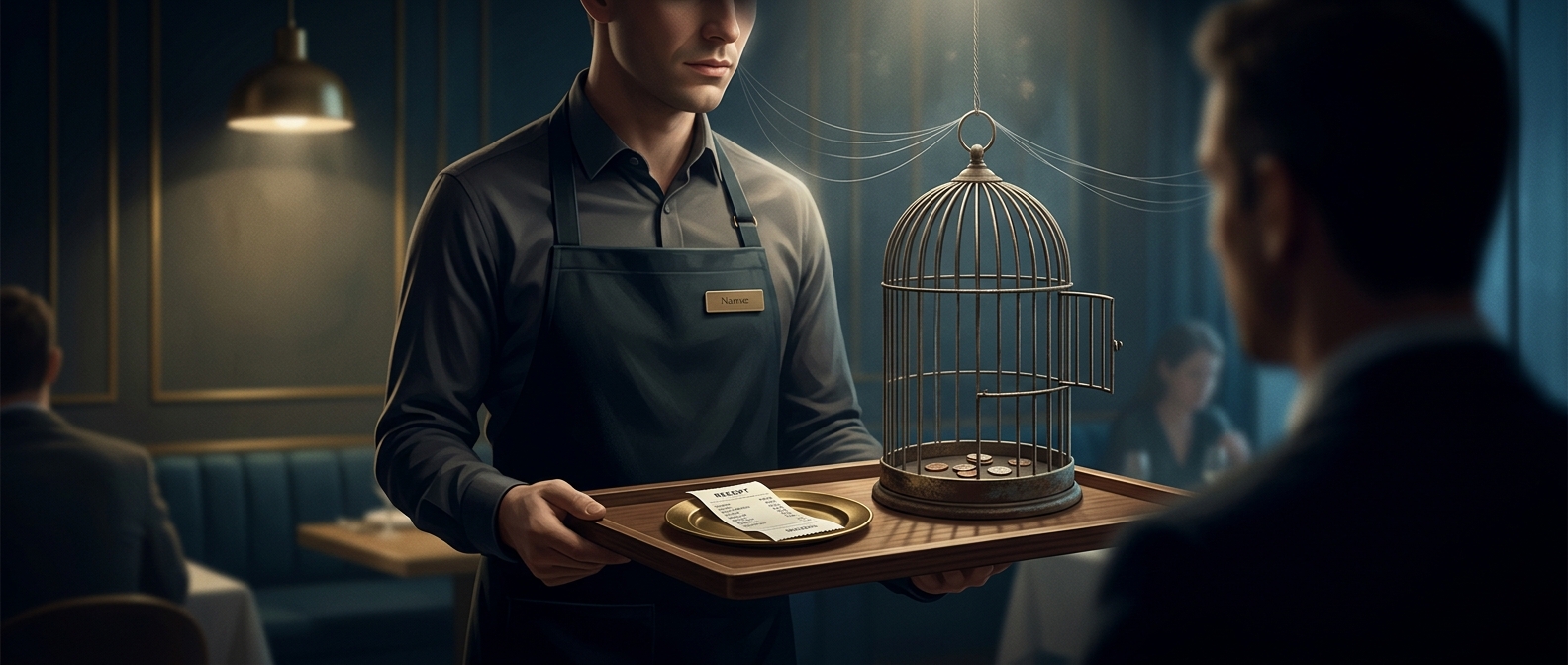
Tipping was not invented in the United States after the Civil War; the custom had European roots. What changed in the decades that followed was its place in American work. As hotels, restaurants, and rail travel expanded, some employers used tips to justify paying service workers little or no regular cash wage. Customers became an informal part of the payroll: a worker’s income depended on what patrons chose to leave.
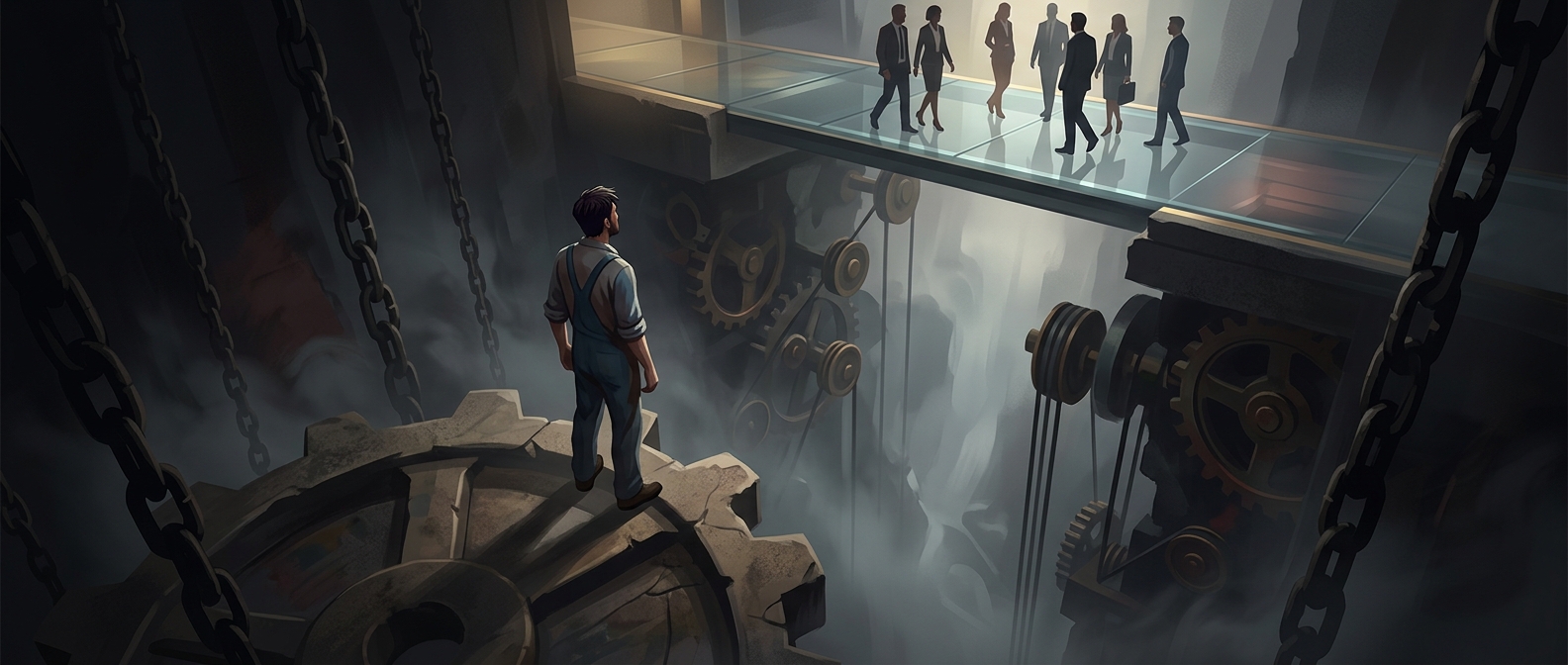
That arrangement had a particularly harsh racial dimension. In the postwar South, employers used tips as a way to employ newly freed Black people in service jobs while avoiding the obligation to pay them a dependable wage. The system also spread in other parts of the country’s hospitality industry. Tips could supplement earnings, but they left workers exposed to slow business, stingy customers, and discrimination.
Why the custom proved hard to dislodge
For employers, shifting part of compensation to customers reduced labor costs and transferred the risk of a bad day onto workers. For customers, a tip could feel like a direct reward for attentive service. Those incentives helped normalize a practice that workers and reformers also criticized as undignified and unreliable. Some states adopted anti-tipping measures in the early twentieth century, but the custom persisted.
Over time, tipping became more than a bonus: it was built into how many service jobs were paid. In the modern United States, federal law allows a lower base wage for certain workers who receive tips, provided their wages and tips together meet the applicable minimum wage. That arrangement is called a tip credit. It keeps the old division of responsibility alive: employers set the wage structure, while customers’ gratuities can determine how much a worker actually takes home.