Why the Seventh House Includes Both Partners and Rivals
In astrology, the seventh house is read as the part of a birth chart concerned with significant people encountered as equals: spouses, business partners, collaborators—and opponents. The common thread is not affection or hostility, but a direct relationship in which another person can answer, negotiate, cooperate, or clash with you.
The Logic of the Chart’s Horizon
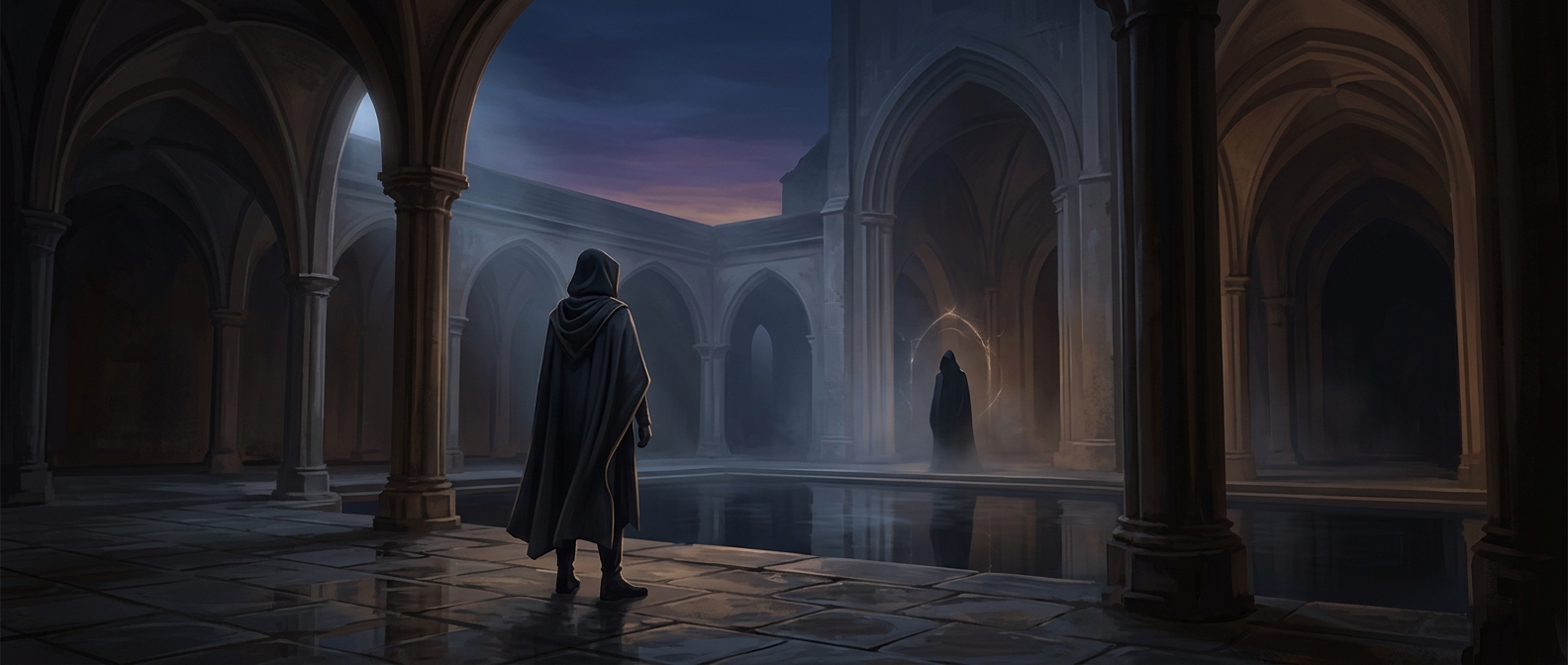
Astrologers map the sky onto twelve houses, with the first house beginning at the eastern horizon at a person’s birth. The seventh begins across the chart, at the western horizon, opposite the first. If the first is interpreted as the self—the person entering the world—the seventh is associated with the person facing them.
That opposition gives the house its relational emphasis. A partner and a rival may want different things, but both stand across from you in a consequential, recognizable relationship. In traditional astrological language, an “open enemy” is an opponent whose conflict with you is overt, not a hidden adversary or an abstract danger.
From Shared Commitments to Open Conflict
The same symbolism can therefore cover a marriage agreement and a lawsuit: each involves another party whose actions directly affect yours. Astrologers may examine the house and its chart ruler when interpreting such relationships, but the house alone does not establish that someone will become an enemy or predict a legal outcome.
The striking implication is that this astrological category treats partnership and opposition as neighboring possibilities: both begin with a face-to-face bond, and what distinguishes them is how the people on either side of it deal with their competing interests.