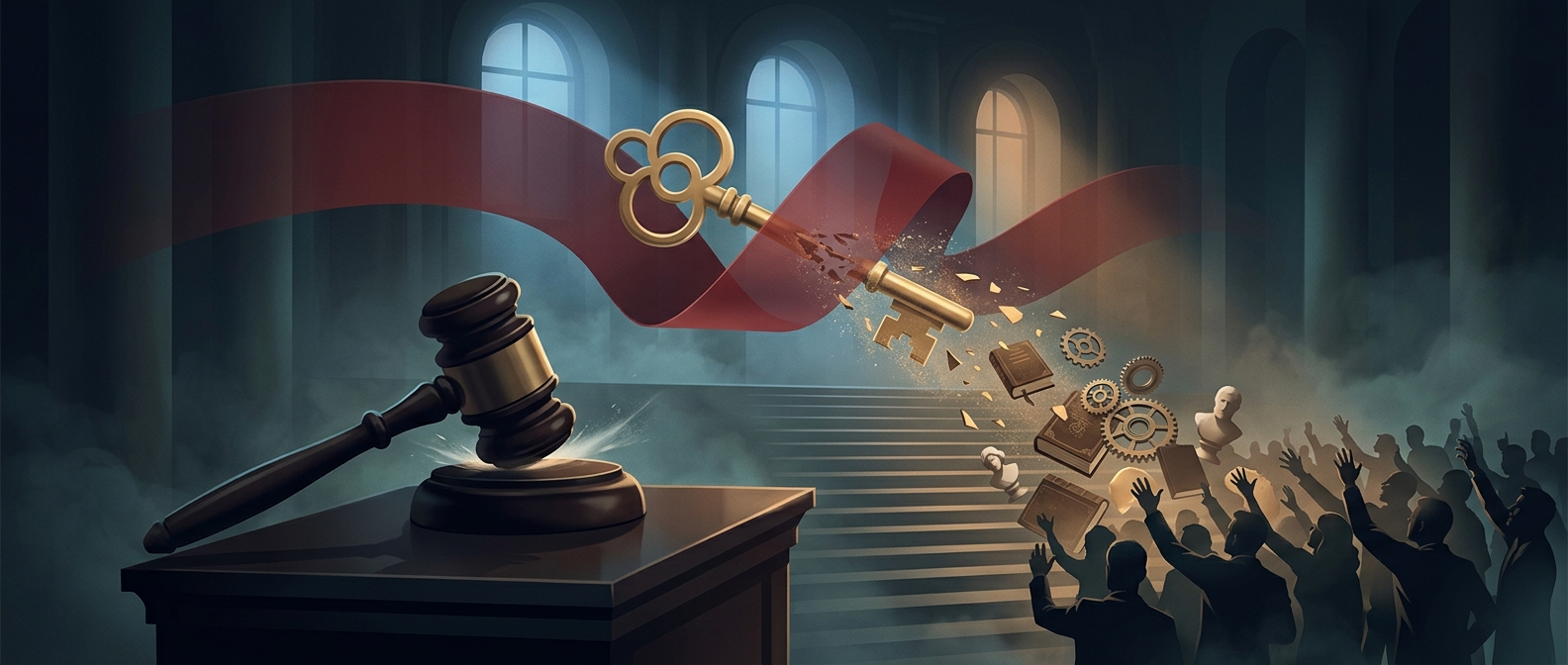
Why bankruptcy can turn a business into a parts sale
When a company cannot keep operating or repay its debts, bankruptcy may force a decision: sell the business as a whole, or sell its assets separately. A whole-company sale can preserve the value of a working operation, but it requires a buyer willing to take on the business and its uncertainties. If that buyer does not emerge—or time and cash are running short—the assets may be auctioned piece by piece.
That can place patents, machinery, inventory, and office furniture in the same sale process. The assets belong to the bankruptcy estate, the pool of property administered for the case. A court may approve sale procedures, while creditors and other parties can scrutinize the deal because the proceeds may determine how much debt gets repaid.
The discount reflects urgency and uncertainty
A distressed sale is not an ordinary shopping opportunity. The seller often needs to convert property into cash quickly, and equipment or inventory may lose value while sitting idle. Buyers may also have to assess assets with limited time, arrange removal, and determine whether a patent or other right is usable and transferable. Those costs and risks can reduce what they are willing to bid.
The price is therefore measured against what the asset might be worth in a different setting—not necessarily against a dependable market price. A patent that is valuable to a company with the right technical team may mean little to a buyer who cannot develop or license it. Conversely, a buyer already equipped to use an asset may see an opportunity others miss.
Who can make the bargain pay off
The advantage goes to buyers who can recognize value and act on it: a competitor may put machinery back to work, while a specialist may know how to commercialize intellectual property. But a low winning bid is only the beginning; moving, integrating, or developing the purchase can cost more than expected. In a bankruptcy auction, the real bargain is often not the cheapest asset—it is the one a buyer can use before its hidden costs erase the discount.