A notification is also a reason to return
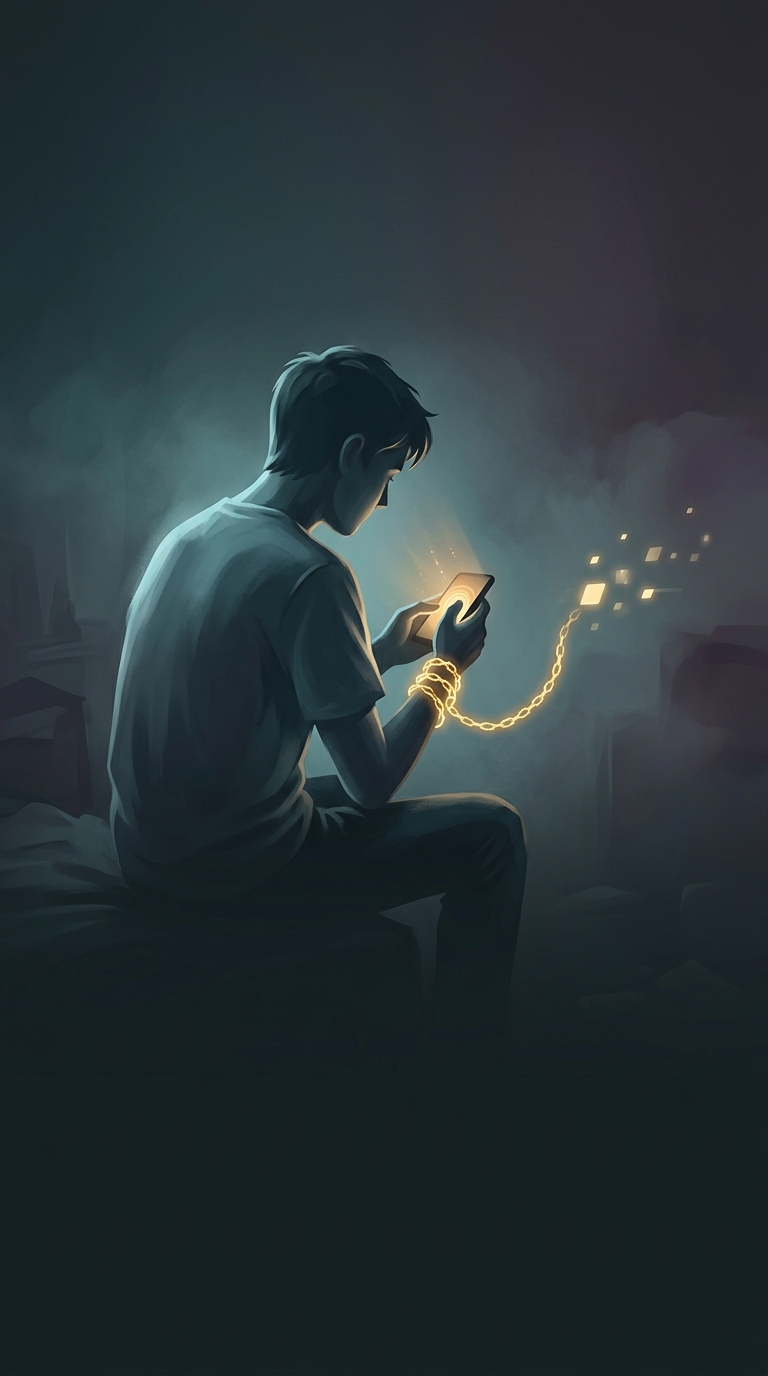
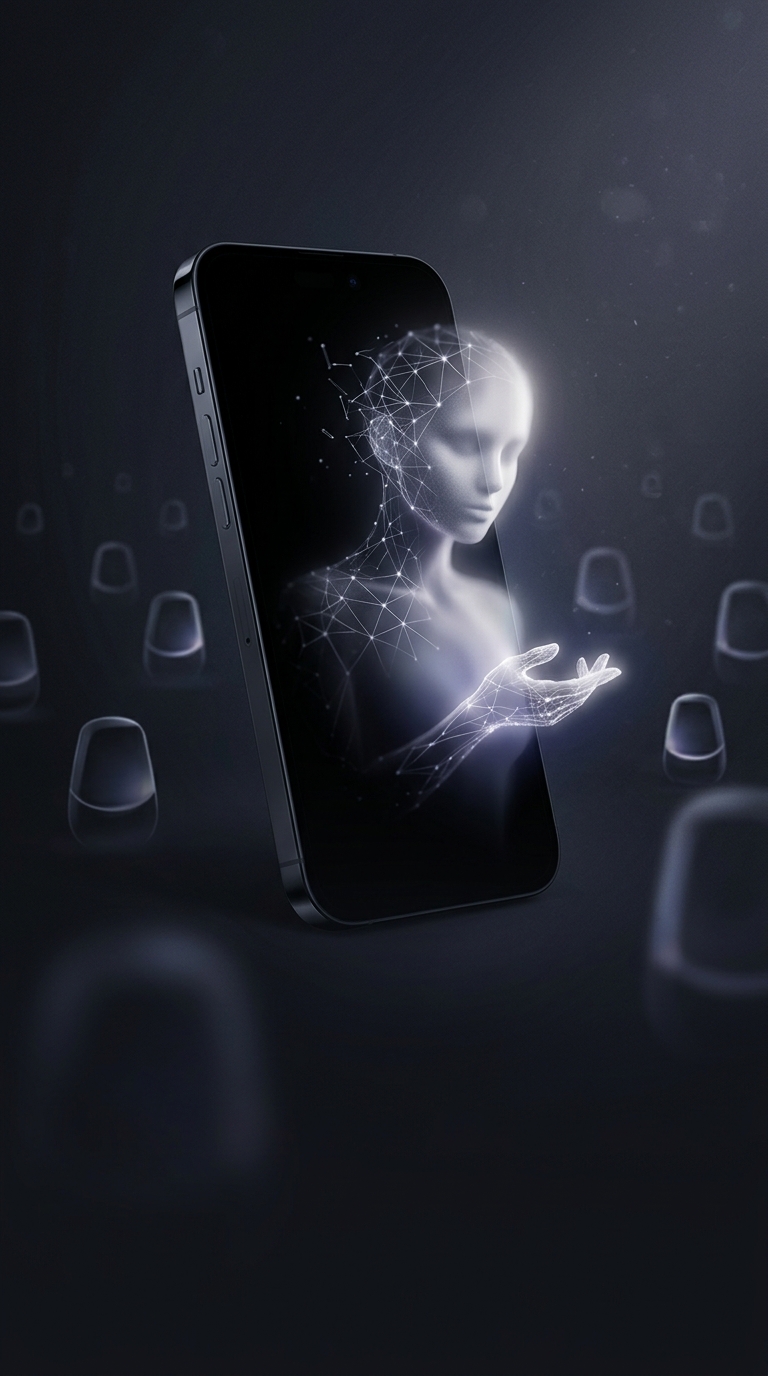
A dating app does not have to alert you the instant someone likes your profile. It can wait, then send a notification at a moment chosen to bring you back. That gap turns a simple update into a small cliffhanger: someone is interested, but you have to open the app to learn more.
The delay can serve a business goal. Dating apps compete for attention, and a notification that brings someone back creates another chance for them to browse, respond, or pay for a feature. Some services also make it easier to see who has liked you through a paid tier, so an alert can create curiosity while the app controls how much information is immediately available.
Curiosity can become a product feature
This strategy works because the notification reveals just enough to prompt a question—who liked me?—without necessarily resolving it. If the answer is behind a subscription or another in-app step, the user faces a tradeoff: wait, keep browsing, or pay to uncover it. The app is not only delivering a message; it is shaping when the message becomes useful.
Not every late alert is deliberate; technical delays and notification settings can also affect timing. But when an app chooses to hold back an update, the delay can turn ordinary uncertainty into a reason to reopen the app—and, potentially, spend money.