Why a Vague Warning Can Feel Personal
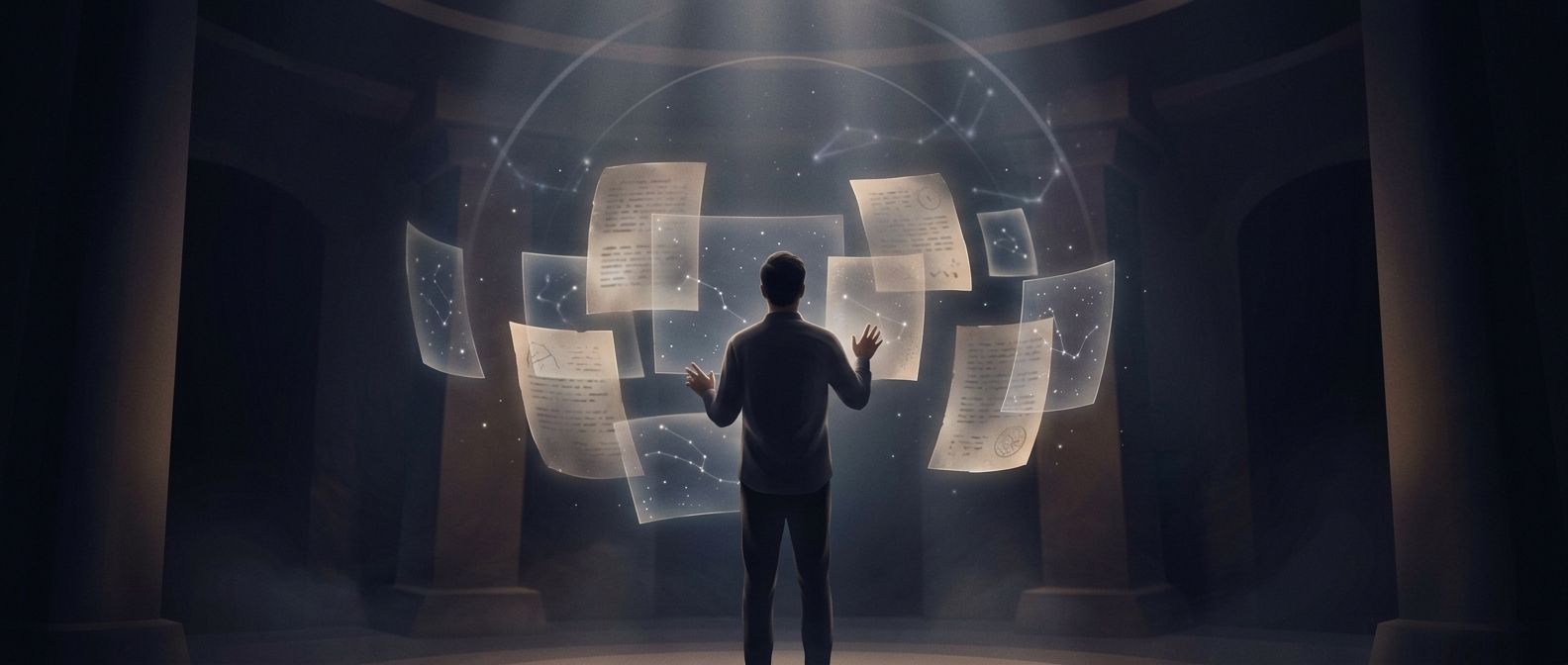
A horoscope that says to be cautious around someone rarely identifies a person, a situation, or a testable event. That openness gives the reader room to supply the missing details: a friend’s delayed reply, a tense conversation, or a colleague who seemed unusually quiet. The warning feels specific because the reader connects it to specific memories—not because the horoscope named them.
Psychologists often call the pull of broad, personally appealing statements the Barnum effect. People tend to recognize themselves in descriptions that could fit many lives, especially when the message seems tailored to them. A warning can feel even more compelling because possible danger attracts attention: it seems safer to notice a threat than to overlook one.
How Suspicion Can Build
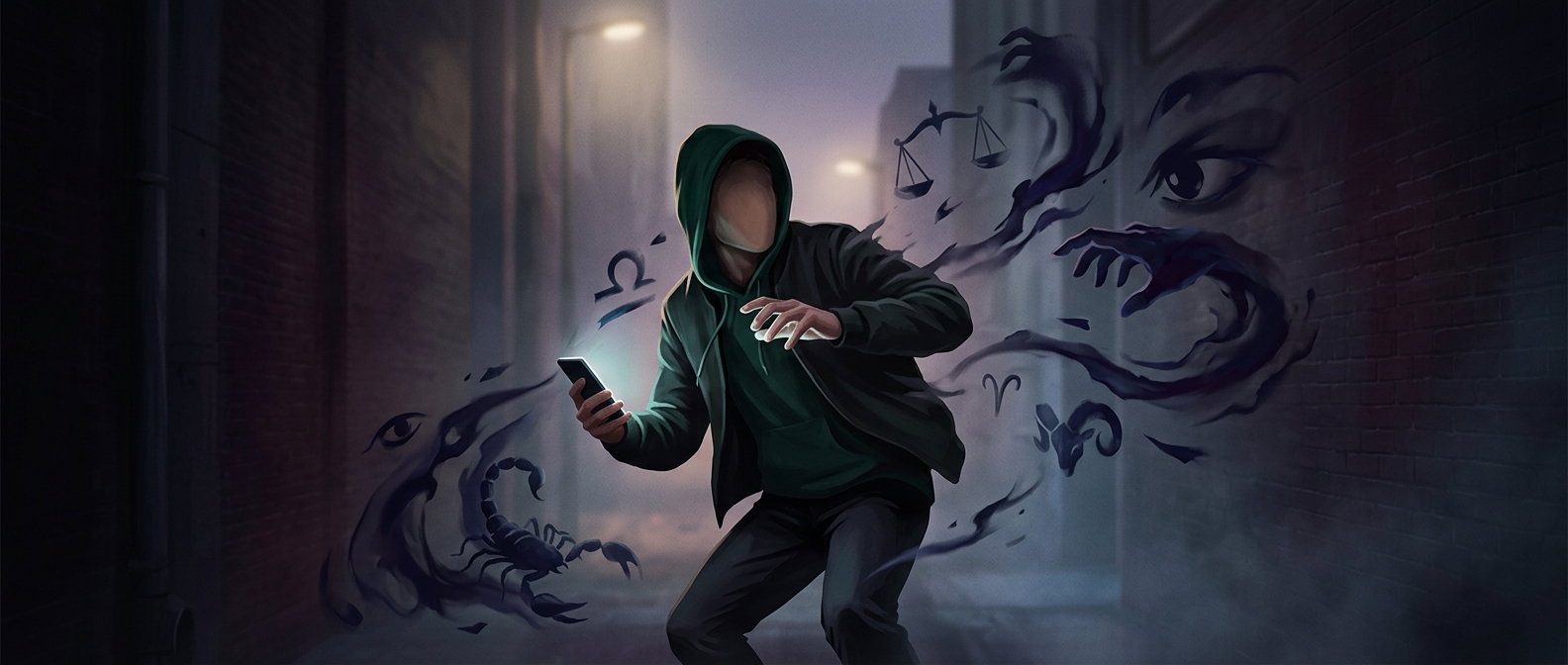
Once a reader starts scanning for signs, ordinary ambiguity may look like evidence. A friend’s distracted mood can become suspicious; a minor disagreement can seem to confirm that something is wrong. Meanwhile, moments that do not fit the warning—warm conversations, reliable help—may receive less attention or be forgotten sooner.
This does not mean the reader is foolish. It is a familiar pattern of interpretation: an expectation guides what someone notices, and what they notice makes the expectation feel stronger. In a close relationship, acting on that suspicion can create real distance, even when the original warning offered no concrete reason to distrust anyone.
A horoscope may be meaningful to readers as reflection or entertainment. But when a broad prediction concerns other people’s intentions, it helps to separate the feeling it triggered from evidence about a particular person. A warning that fits almost any situation cannot, by itself, tell you which situation is actually happening.