A sort that waits for a fault
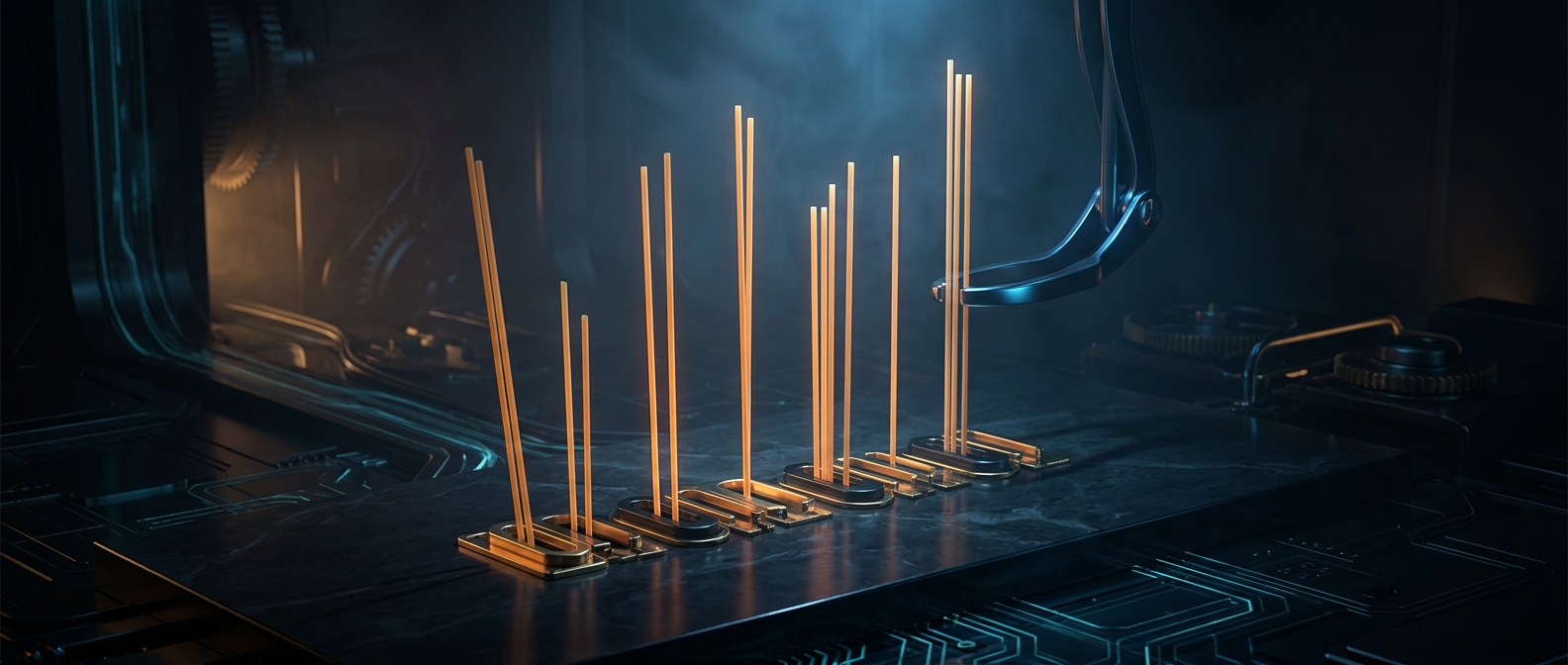
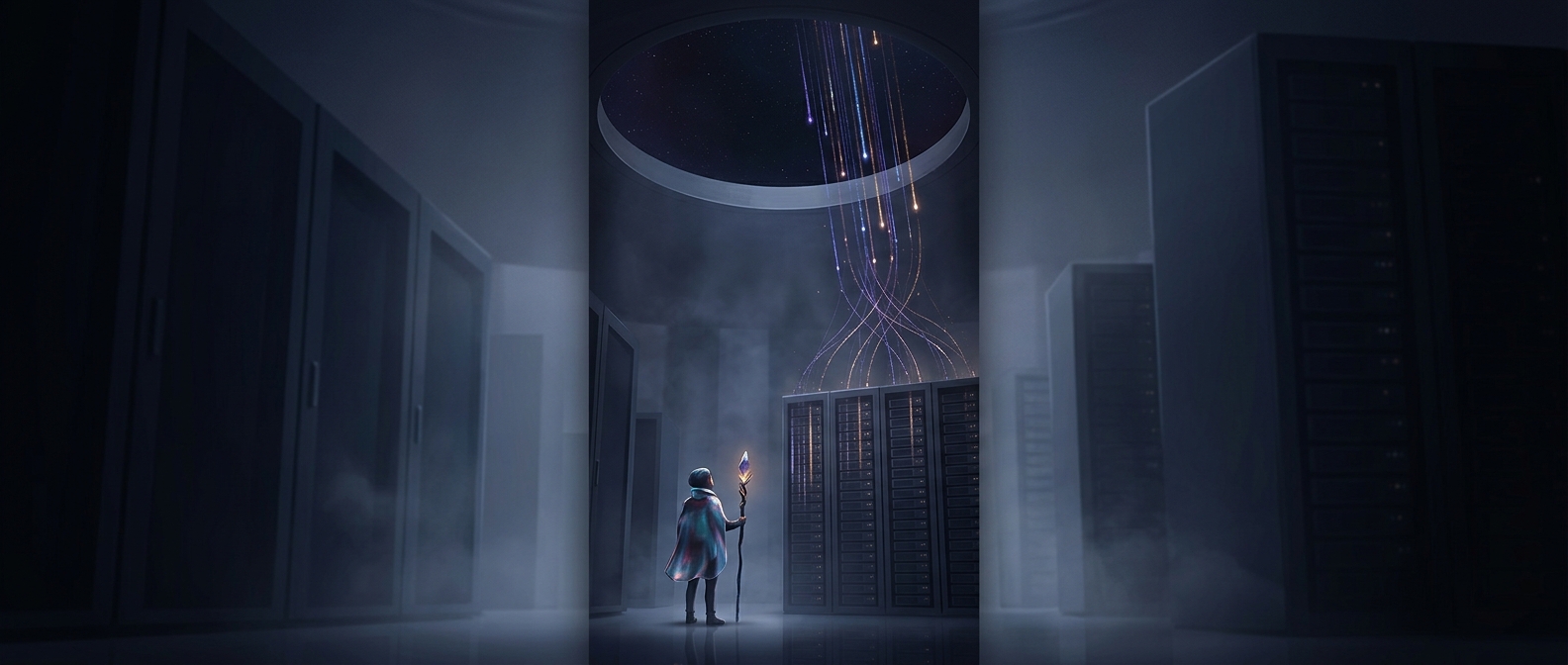
Ordinary sorting rearranges items by comparing them and moving them into order. This algorithm takes a stranger route: it checks the array, and if the items are still out of order, it waits for cosmic radiation to alter the computer’s memory. A cosmic ray can trigger a bit flip—changing a stored 0 to 1 or a 1 to 0—so, in principle, repeated changes might eventually leave the array sorted.
The computer’s role is less “sorting” than checking. After each wait, it tests whether the array is in the desired order; only a successful check ends the process. The universe supplies random changes, while the program supplies the condition for success.
Why the universe is a poor sorting partner
Memory holds numbers as patterns of bits. Flipping one bit can change a number, but it does not neatly move that number to the right place. A radiation-induced change might bring the array closer to sorted, make it farther away, or damage other stored information. The algorithm has no control over which bit changes—or when.
That makes this a thought experiment, not a sensible way to sort real data. Its joke is that it replaces deliberate comparisons and swaps with an unpredictable physical event, then patiently checks for a lucky outcome. Even if cosmic rays eventually produce a sorted array, the computer may have spent an unknowable amount of time waiting—and the same random process could undo the result before it notices.