The shell can change a snack’s VAT category
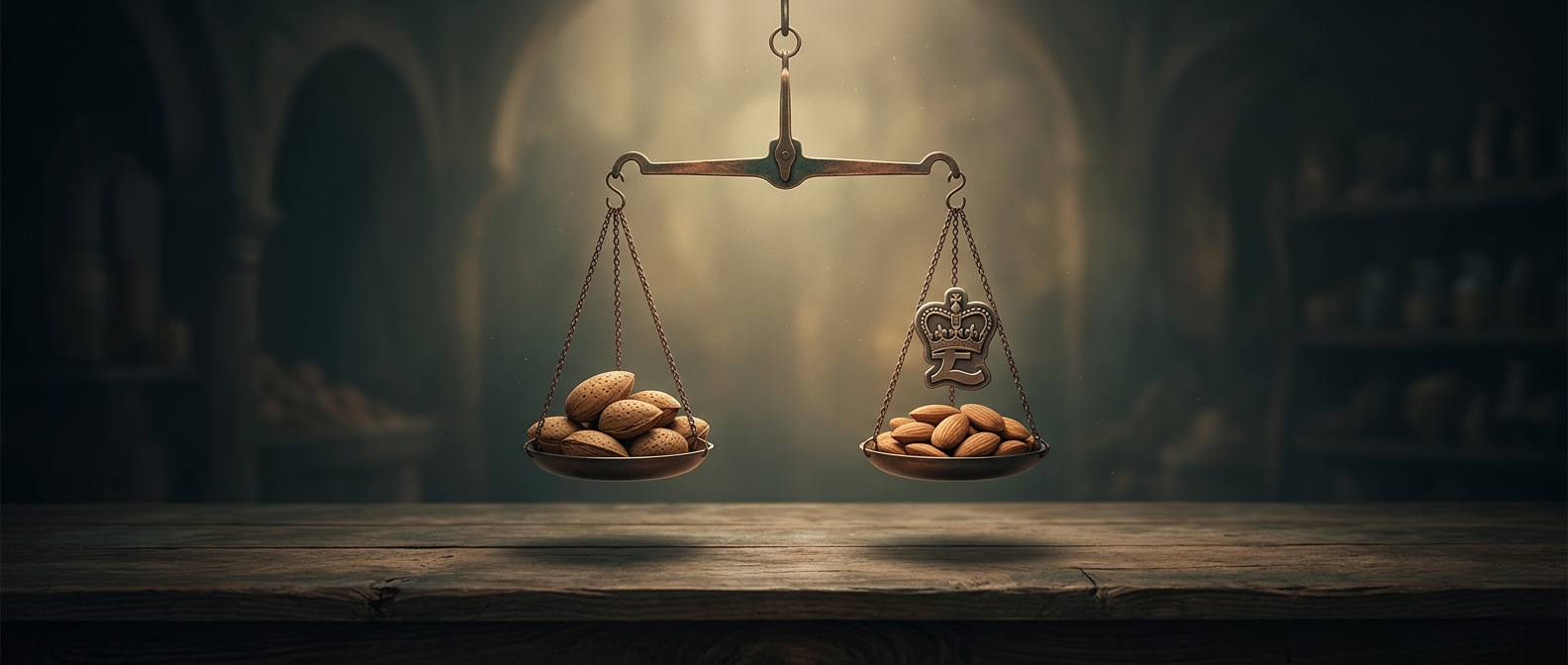
UK VAT rules treat many basic foods differently from snack products. Nuts show how fine that distinction can get: nuts sold still in their shells can qualify for the zero rate, while shelled nuts sold as a snack may be standard-rated. The shell is not just packaging in this case; it helps determine which product category the sale falls into.
That makes the tax hinge on the condition of the nut when it is sold, not simply on its ingredients. A customer who buys nuts in shells and cracks them at home is buying a different VAT-classified product from someone buying the edible kernels ready to eat. Roasting alone does not necessarily settle the question: the precise form and treatment of the product matter under the rules.
“Tax-free” means zero-rated, not outside VAT
A zero-rated sale is still within the VAT system, but VAT is charged at 0%. A standard-rated sale carries VAT at the applicable standard rate. That difference can affect the price shoppers see, though the final shelf price also reflects the retailer’s costs and pricing decisions.
The distinction is a small example of how food-tax rules draw boundaries around products rather than taxing every item according to a broad idea such as “snack” or “ingredient.” In the nut aisle, leaving the shell on can be enough to put the purchase on the other side of that boundary.