Why a practiced move can disappear under pressure
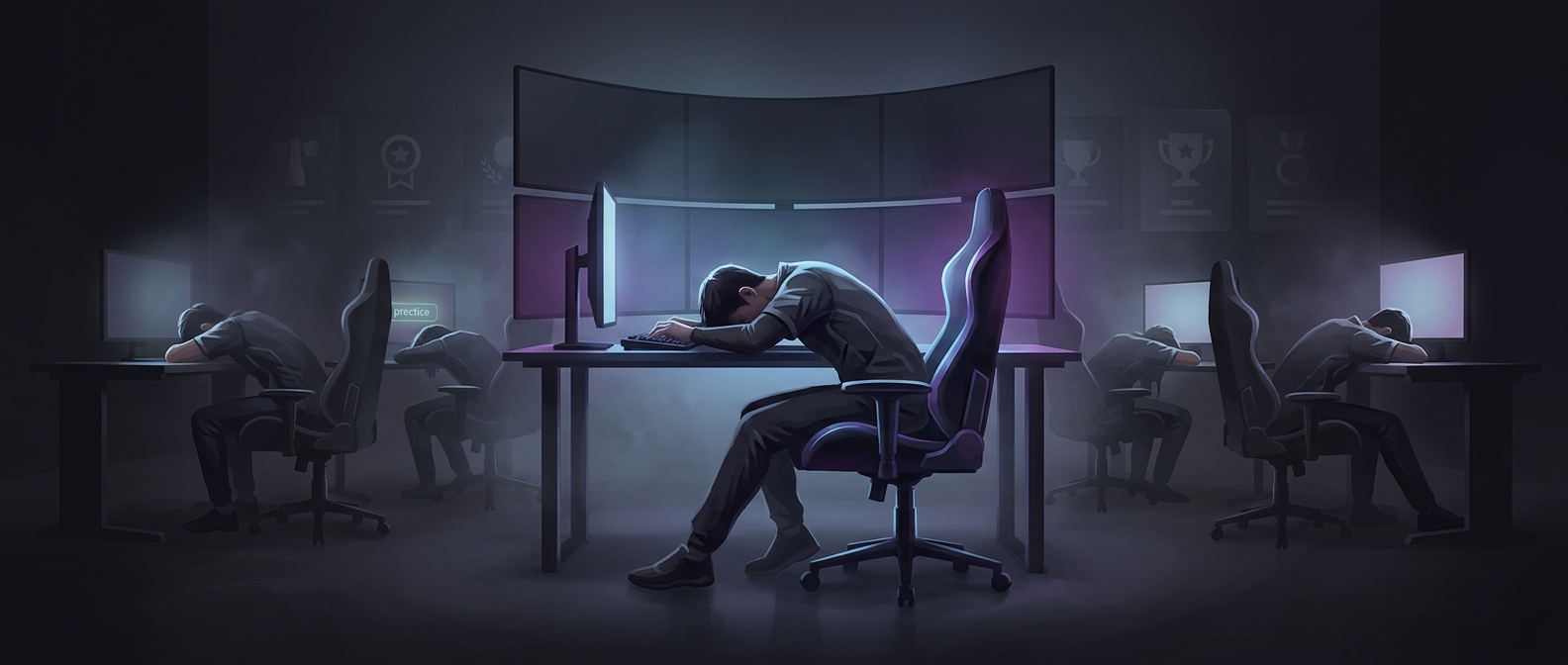
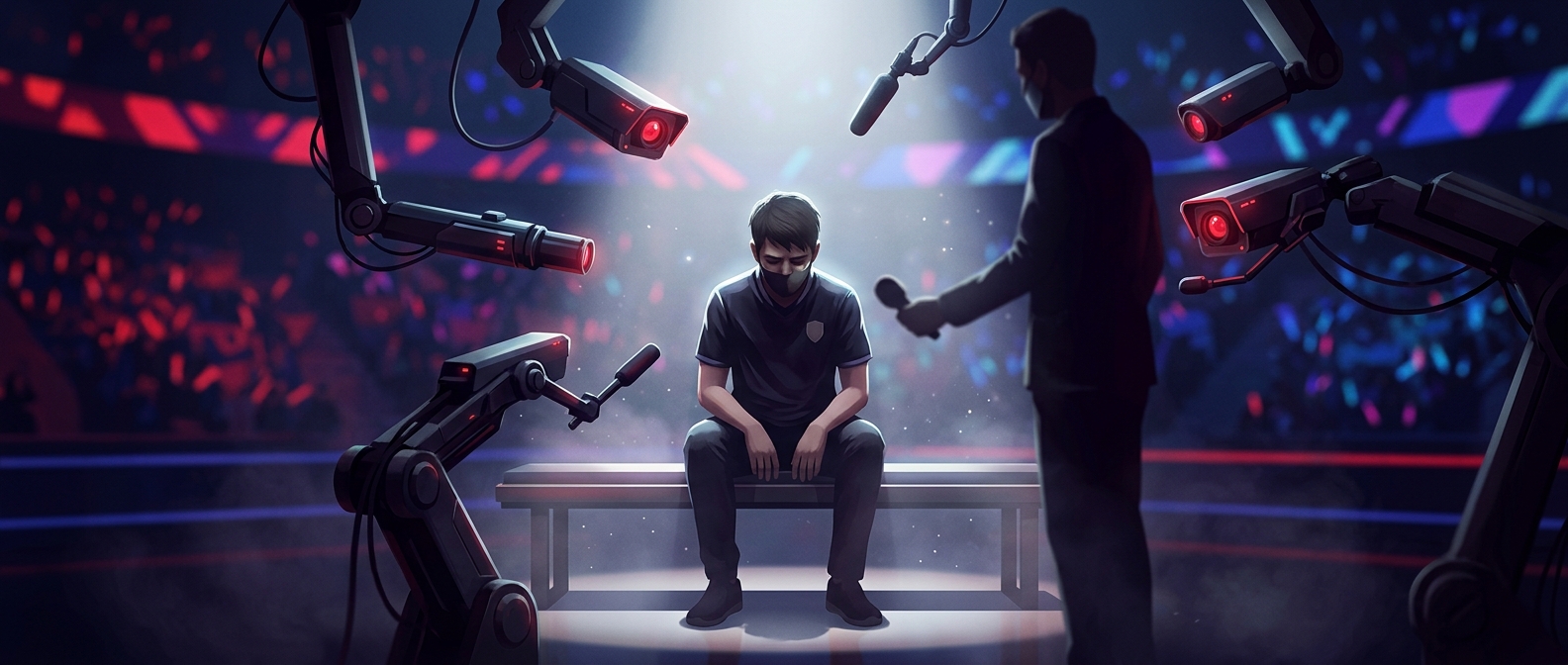
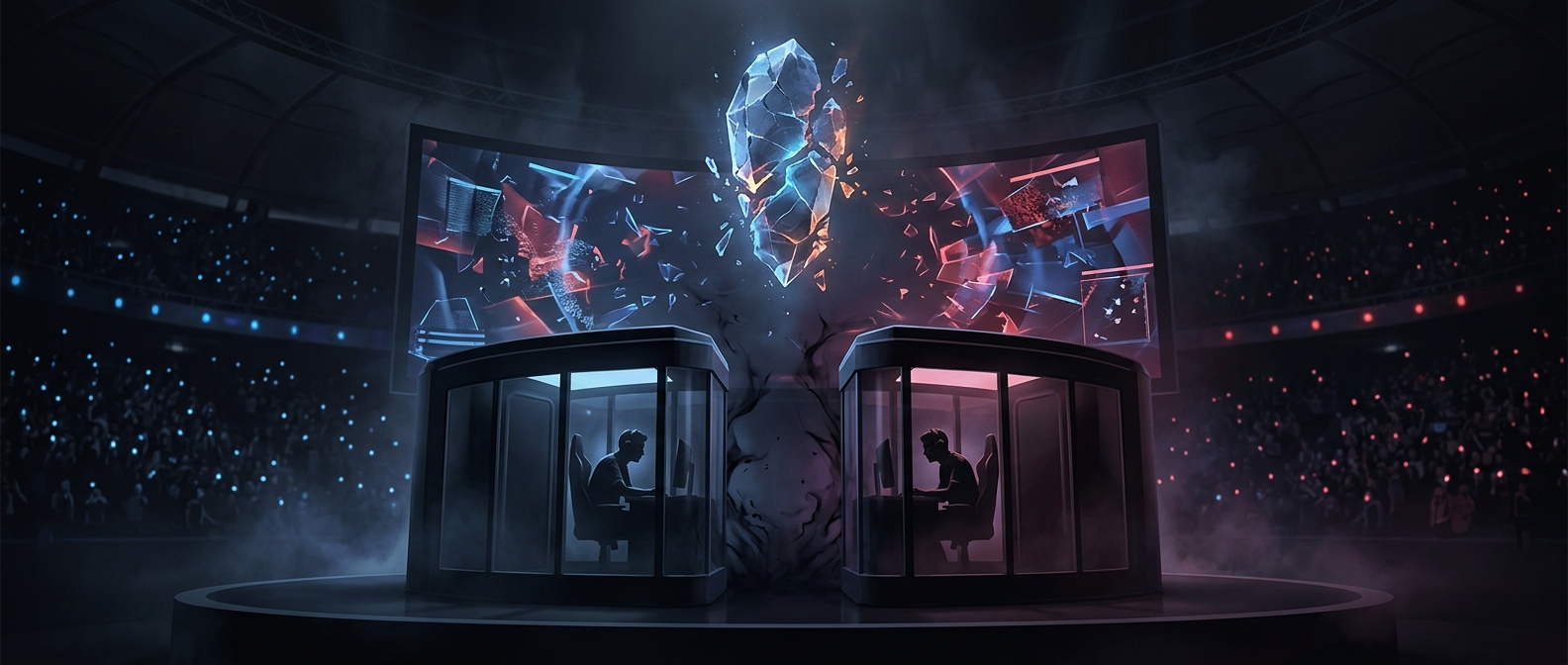
In a high-stakes match, players must read a changing screen, track opponents, coordinate with teammates, and act quickly. The problem is not simply feeling nervous: pressure can pull attention toward the consequences of a mistake—such as losing a round—instead of the next useful cue. A player may also start consciously monitoring a skill that normally runs automatically, disrupting timing.
Turning composure into a repeatable skill
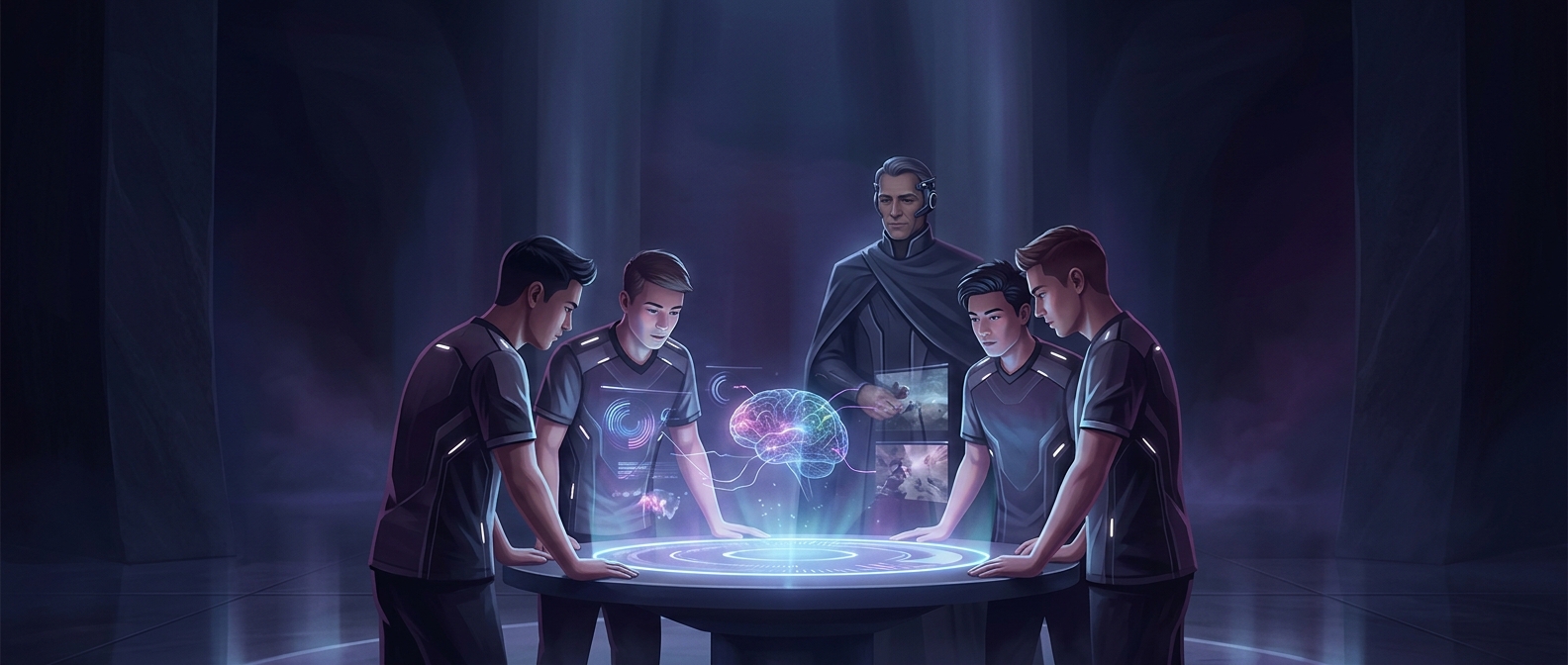
A sports psychologist or mental-performance coach can help a player notice what happens to their thinking and behavior under stress. Together, they might build a short between-round routine: slow the breathing, identify the immediate objective, and use a cue word to return attention to the game. The point is not to make anxiety vanish. It is to give the player a practiced response when it appears.
These strategies can be rehearsed in scrims—organized practice matches—rather than saved for a live final. Coaches may also help players review mistakes without spiraling into blame, or prepare simple communication habits for tense moments. A team that agrees on how to call information and reset after a lost round has less need to improvise its emotional response while the match is still unfolding.
The team, not just the individual
Esports pressure is partly social: one player’s frustration or silence can affect how the rest of the team coordinates. Mental coaching can therefore address shared routines and communication as well as individual focus. It does not guarantee a win or replace tactical practice; it helps players make their practiced decisions more available when the stakes feel largest.
A useful routine is deliberately small. In a match decided by seconds, even a brief reset can help turn attention from the last mistake to the next playable moment.