A gift expected to cross language barriers
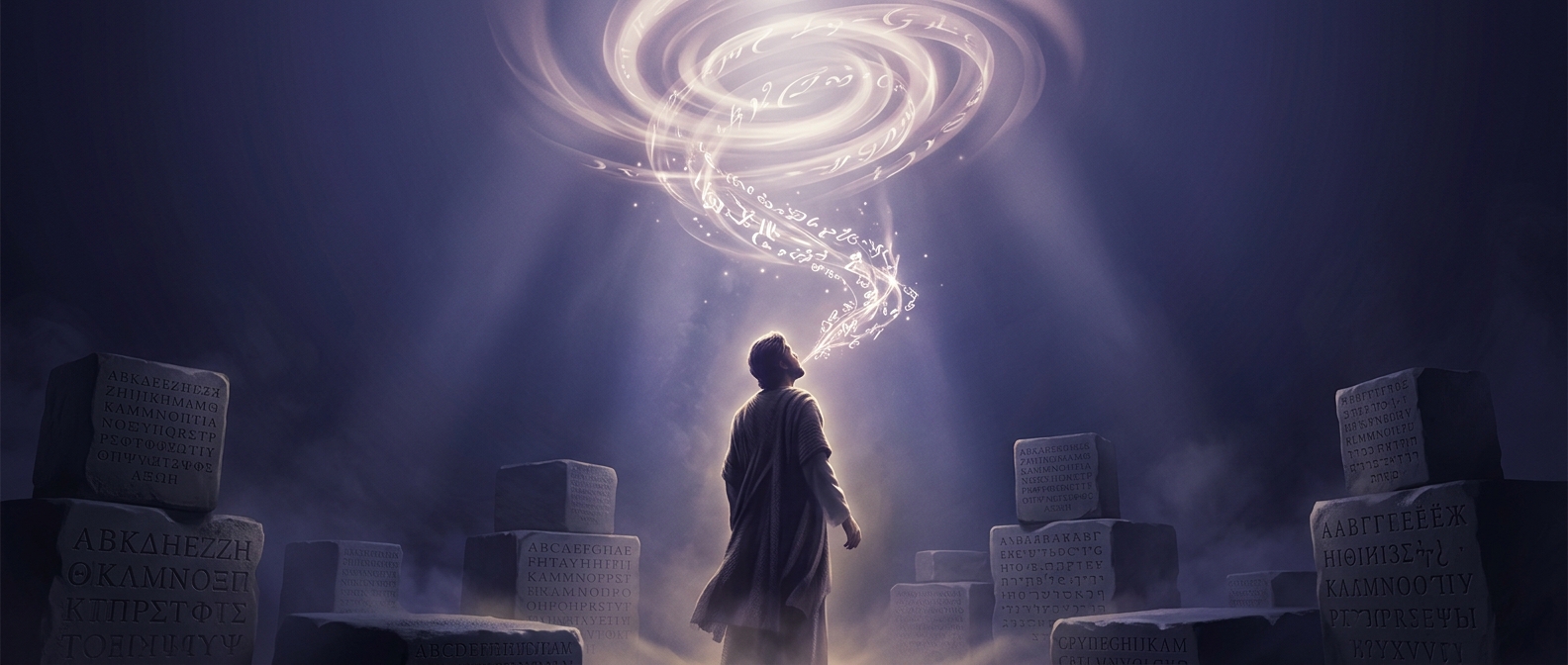
At the Azusa Street revival in Los Angeles, beginning in 1906, many Pentecostals understood ecstatic speech as xenoglossy: the supernatural ability to speak a real language the speaker had never learned. They connected the experience to the biblical story of Pentecost, in which Jesus’s followers speak and people from different lands hear them in their own languages.
That interpretation made the experience seem immediately useful. If the speech was a divinely given language, believers reasoned, it could equip them to preach to people overseas without years of language study. Some traveled abroad expecting their new gift to make communication possible.
When the expectation met listeners
In practice, people they addressed often could not understand them. The gap was between what speakers believed their speech was and what listeners could recognize: an utterance experienced as meaningful or spiritually powerful did not necessarily function as a shared, identifiable language in conversation.
That distinction helped shape how Pentecostals understood “speaking in tongues.” Glossolalia is the term commonly used for ecstatic speech that is not recognized as an ordinary human language; it differs from xenoglossy, which specifically means speaking an actual language one has not learned. The two ideas could be treated as related forms of a spiritual gift, but overseas encounters made clear that ecstatic speech alone did not reliably replace language learning.
The consequence was practical as well as theological. Missionaries still needed interpreters and language study to communicate, even when they regarded their religious experience as genuine. The episode shows how an expectation about a spiritual gift became a test of communication in the most concrete place possible: whether the people listening understood.