Why cold or emotion can raise the hairs on your skin
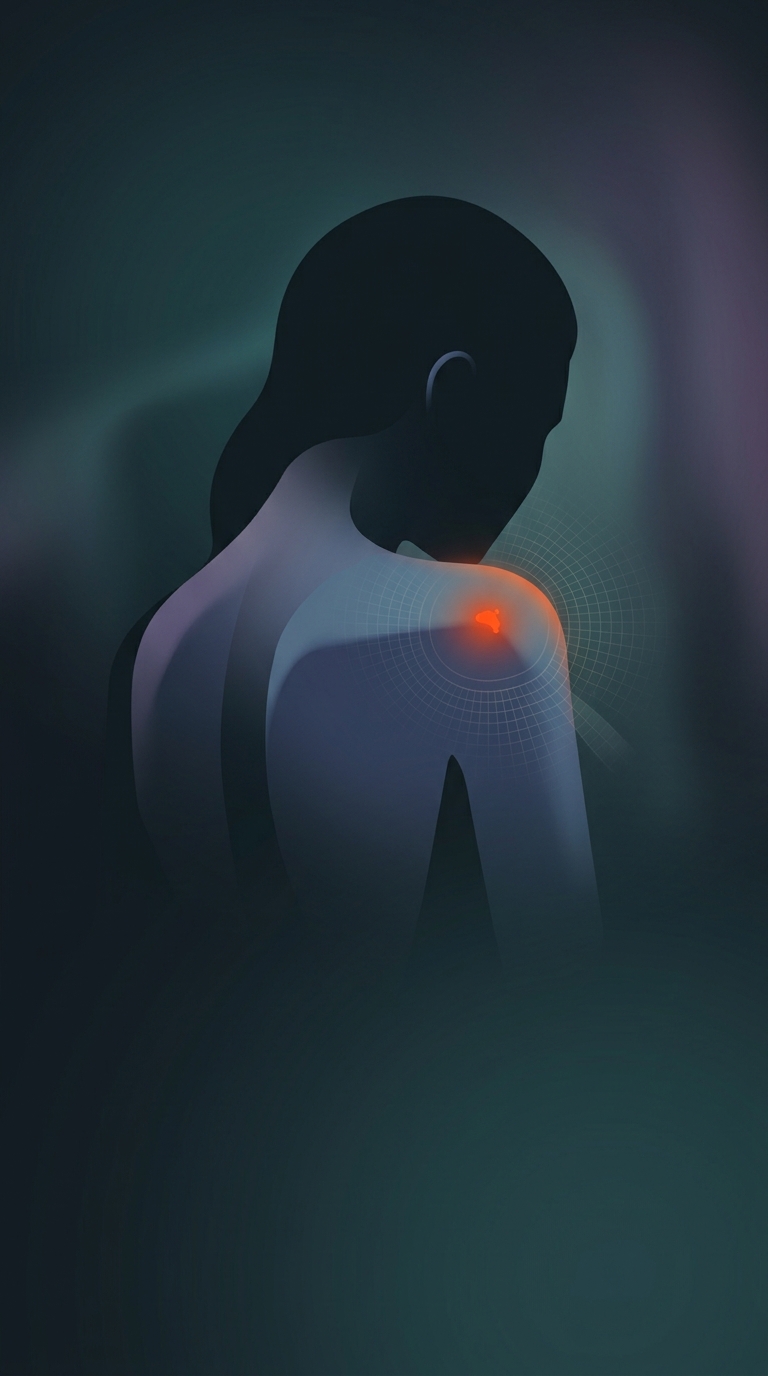
A goosebump starts with a tiny muscle called an arrector pili at the base of a hair follicle. When the muscle tightens, it pulls the follicle upright. The surrounding skin puckers, making the small raised bumps we recognize as goosebumps. This response is called the pilomotor reflex.
The muscles are part of the body’s automatic nervous system: they can contract without a deliberate decision. Cold is one trigger, but strong emotions—including fear, awe, or excitement—can activate the same pathway. The skin’s reaction is similar even though the situations are different.
A useful response in furrier ancestors
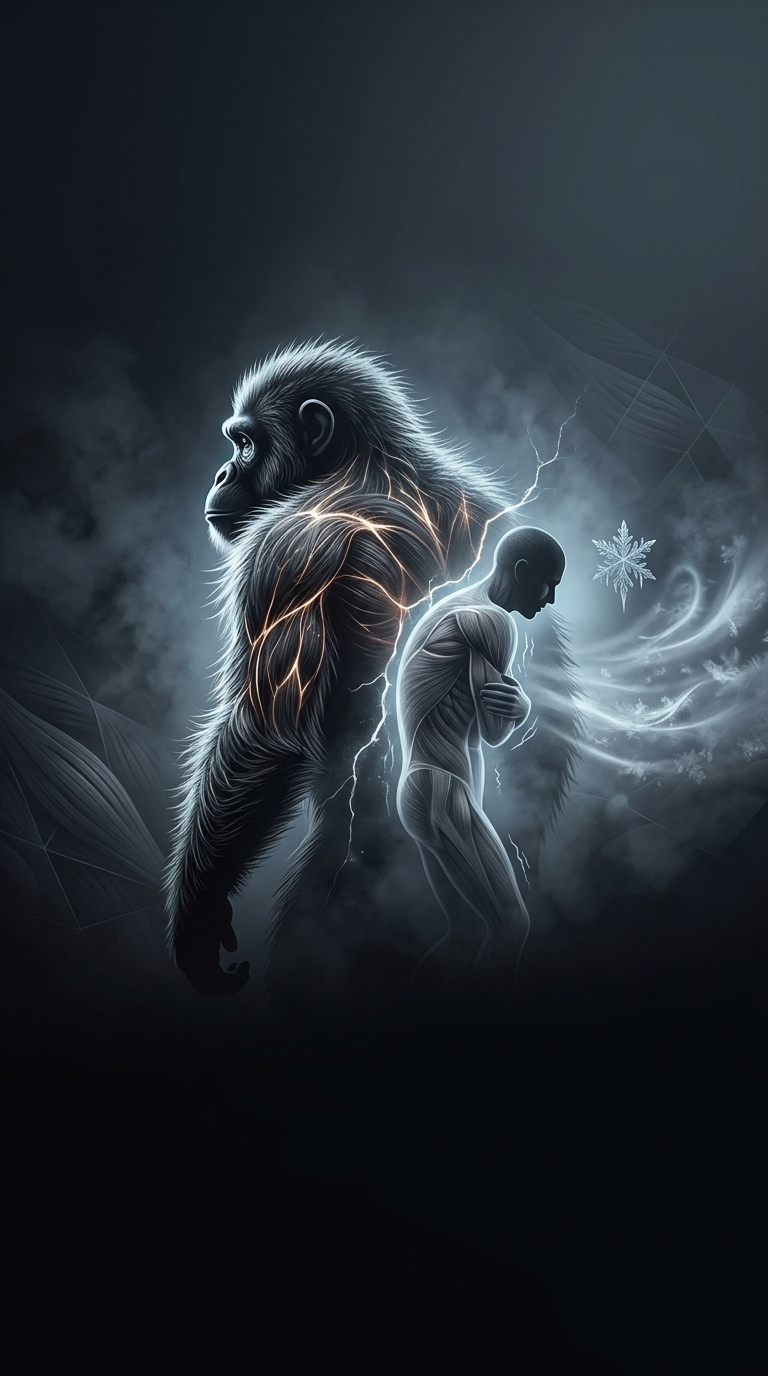
In mammals with thick coats, raising the hairs can help in two ways. The fluffier coat can hold a layer of air near the skin, slowing heat loss. And when an animal is frightened or threatened, bristling its fur can make it appear larger. Both effects depend on having enough hair to change the animal’s outline or trap meaningful warmth.
Humans retain the same basic hair-and-muscle arrangement, but our body hair is too sparse and short for the response to build an effective insulating layer or a substantial threat display. The muscles still pull; the visible result is mainly the puckered skin.
Why the reflex remains visible
The bumps are therefore a small, noticeable trace of a response that has practical effects in furrier mammals but little protective value for people. They can still signal that the body has reacted to cold or an intense feeling—even when the hairs they lift can no longer do much to change how warm or imposing we are.