Why Hearing May Persist Near the End of Life
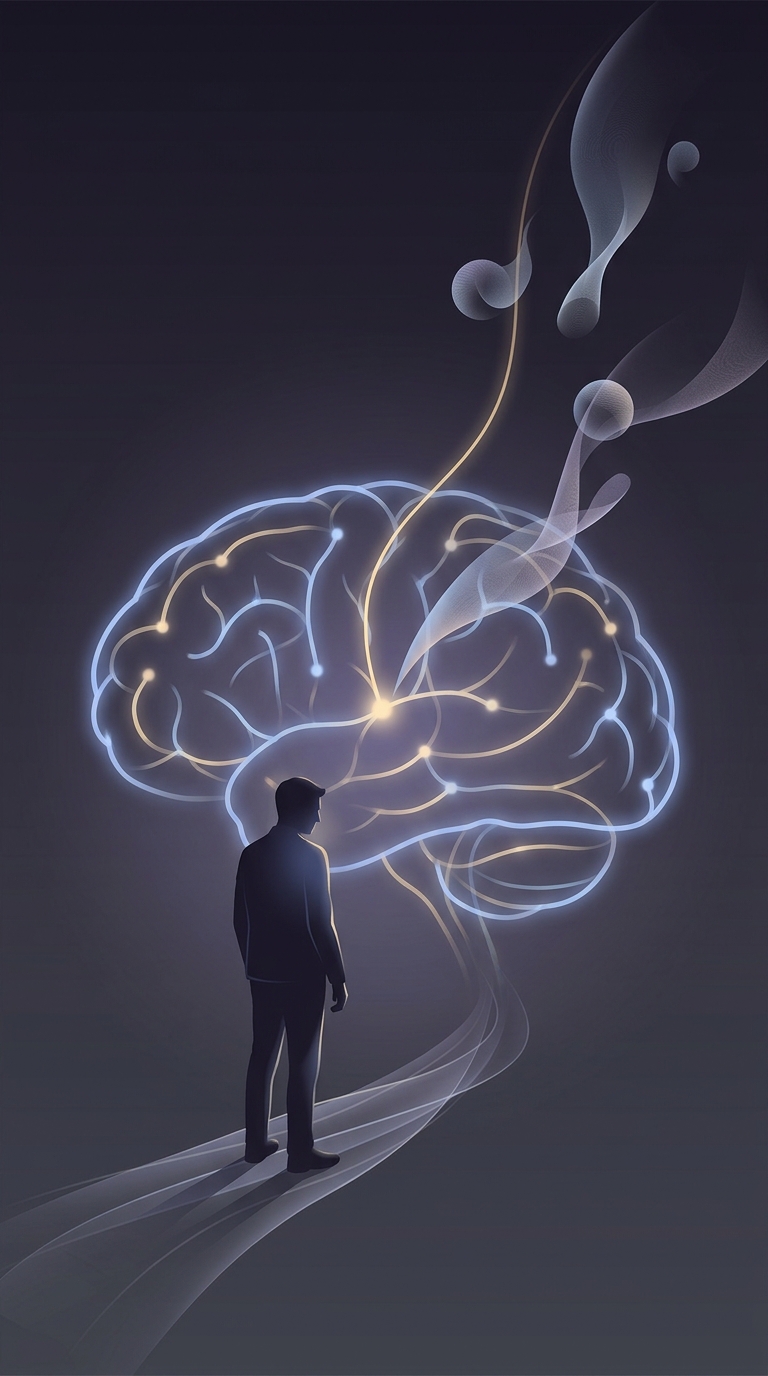
Hearing is often described as the last sense to fade because brain recordings have detected responses to sound in some people who were unresponsive near death. A response means that sound still triggered activity in the brain’s auditory pathways—the routes that carry signals from the ears toward the brain. It suggests those pathways can remain active after a person can no longer respond.
A Brain Response Is Not the Same as Understanding
The distinction matters: detecting a sound in the brain does not prove that someone consciously heard it, recognized it, or understood its meaning. Scans can reveal activity, but they cannot tell us exactly what an unresponsive person experienced. Nor can they establish a precise, universal sequence in which every sense shuts down.
Hearing may nevertheless be comparatively resilient because the basic processing of sound can continue without the visible signs of awareness, such as speaking or following a request. Those outward signs depend on more than the ears: a person must also be awake enough to interpret the sound and produce a response.
What This Means at the Bedside
The possibility of lingering auditory processing is one reason caregivers are often encouraged to speak gently and naturally to someone who is dying, if that feels right. A familiar voice may still reach the brain even when there is no answer. Silence or lack of response cannot tell us for certain whether a person hears—but it also does not prove they do not.