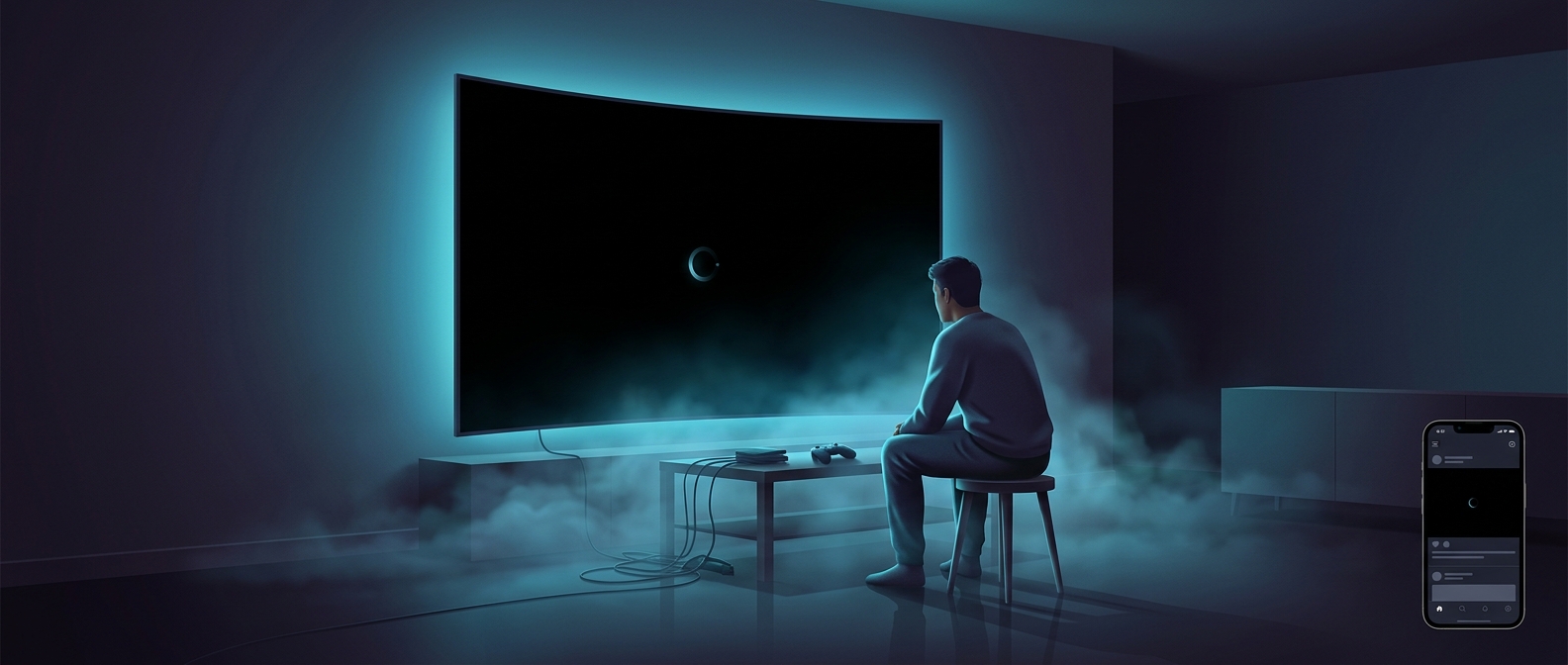
Why the Flashing Signal Wins
Attention is limited, so the brain quickly favors features that stand out: motion, bright color, loud sound, or sharp contrast. Psychologists call this saliency bias. The signal can capture attention before a person has weighed whether it matters more than the quieter information nearby.
That creates an economic advantage. In a store, a prominent sale label may draw the eye before a shopper compares the product’s full price or the alternatives. In an app, a bright alert can win a tap over a less conspicuous explanation. Businesses and platforms compete for attention because it can lead to visits, purchases, or continued use. The design that gets noticed first may therefore be rewarded, even when it does not help people make the best-informed choice.
Attention Has a Cost
When a vivid cue takes priority, the cost is not just a moment of distraction. People may spend time investigating a low-value offer, miss a useful detail, or make a choice with less context. The effect can accumulate across many small decisions: each eye-catching prompt takes a slice of attention that could have gone elsewhere.
This does not mean prominent signals are inherently misleading. A flashing alarm may deserve immediate attention. The problem is that visual intensity and practical importance are not the same thing. When every message is designed to look urgent, people must work harder to tell which one actually is.
The Design Tradeoff
For businesses, making information noticeable can improve communication—but making it conspicuous can also steer choices. A useful test is whether the most prominent element helps someone understand the decision, or mainly helps the sender capture attention. In a crowded screen or shop aisle, the quiet detail may be the one that determines the real cost, while the bright cue determines what gets considered first.