Why a pageant walk is more than a straight line
Walking in very high heels changes the mechanics of each step. The heel lifts the back of the foot, shifting more weight toward the ball of the foot and making the ankle work harder to steady the body. The shoe also offers a narrower, less forgiving base of support than a flat shoe. A small wobble that would disappear in ordinary walking can become visible onstage.
Contestants therefore practice controlling their pace, posture, and foot placement—not simply staying upright. A measured stride helps keep the body balanced, while a steady upper body and deliberate arm movement make the walk look composed. Turns require particular control: the contestant has to change direction without letting the heel catch, the ankle roll, or the movement look abrupt.
The stage adds its own constraints
A pageant walk is performed for an audience and judges, often under bright lights and in clothing that may restrict movement. A long gown, for example, can limit stride length or conceal where the feet land. The contestant must adapt without looking down or losing the presentation the walk is meant to convey.
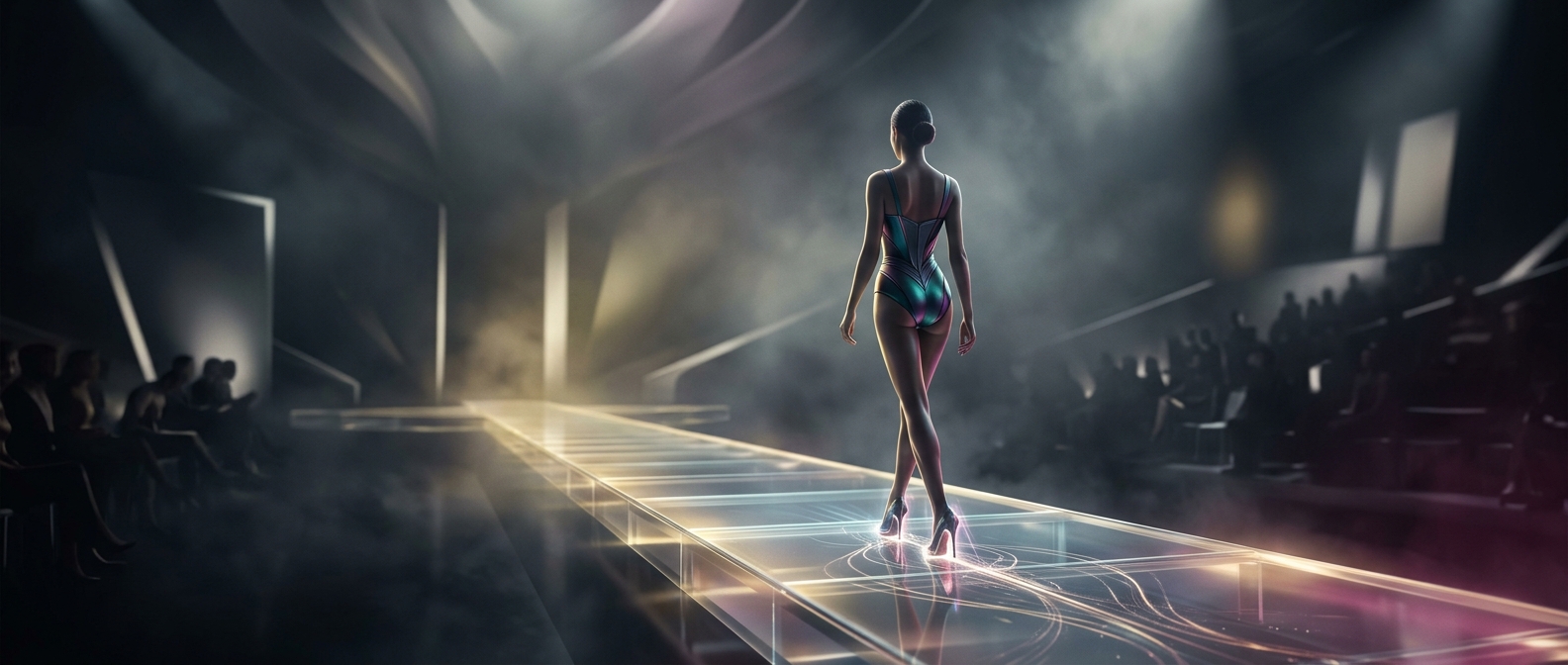
That is why the skill combines physical coordination with performance. A practiced walk lets a contestant move confidently enough for judges and spectators to see the outfit and the person wearing it, rather than focusing on each careful step. The heels are not just footwear; they turn a short stage crossing into a visible test of balance, timing, and poise.