When the Press Tour Became the Story
A film press tour is designed to keep attention moving from one interview, appearance, or social-media post to the next—all pointing back to the movie. That plan depends on a shared focus: performers and publicists can promote the project without every exchange becoming a story of its own.
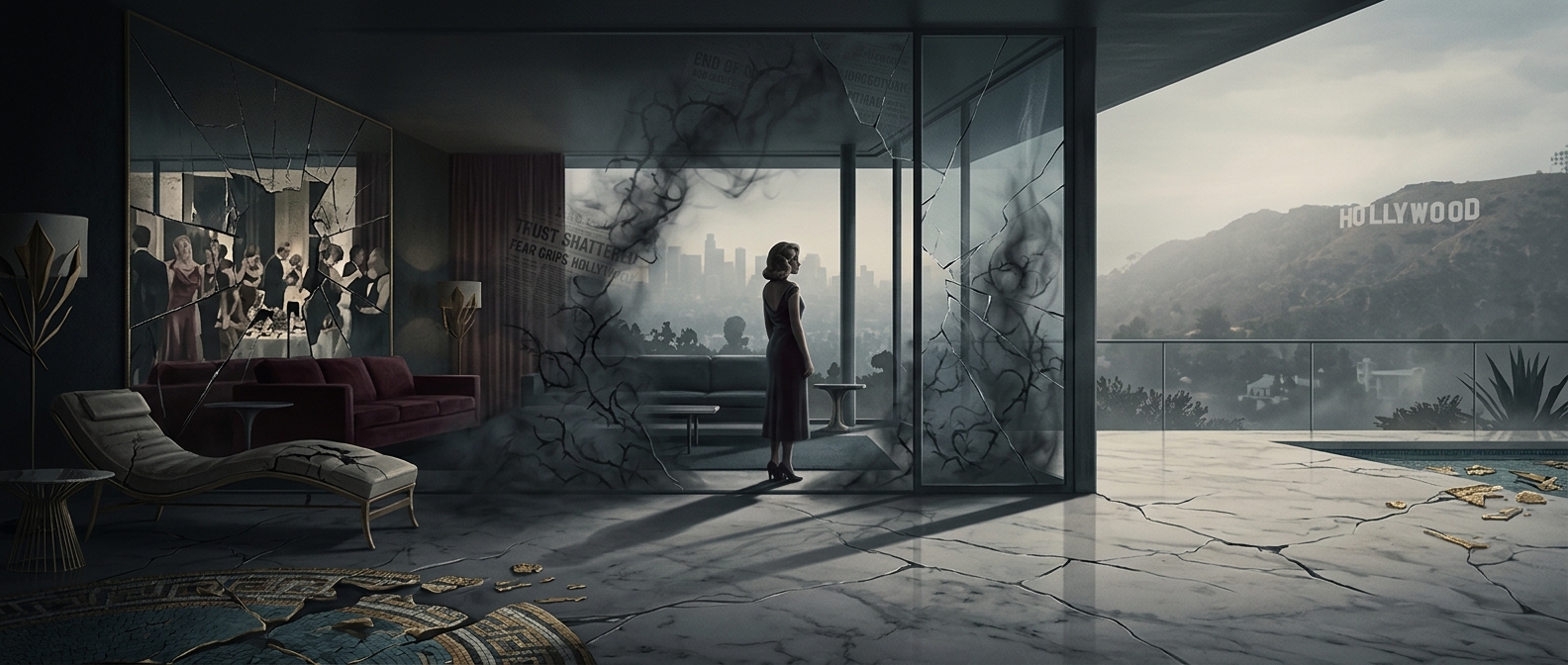
Leaked voice memos and public clashes changed that focus. A private recording can circulate without the context or control of a planned interview, while a feud gives audiences a conflict to follow. Each new reaction then becomes fresh material for coverage, creating a cycle in which the promotional events feed the off-screen story instead of the film.
Attention Is Not the Same as Promotion
The drama may draw more clicks and conversation than a conventional campaign, but that attention is difficult to steer. Audiences can become invested in who said what, how others responded, and whether the cast is still working together. The movie itself becomes secondary—even when the publicity is technically keeping it in the news.
That is the bind for a studio: responding forcefully can extend the dispute, while saying little can leave the conflict to define the tour. In this case, the promotional machinery meant to introduce a reboot instead gave the public a competing narrative. The premiere could still put the film on a screen, but it could not guarantee that the film would be what people came to discuss.