When a Private Home No Longer Felt Private
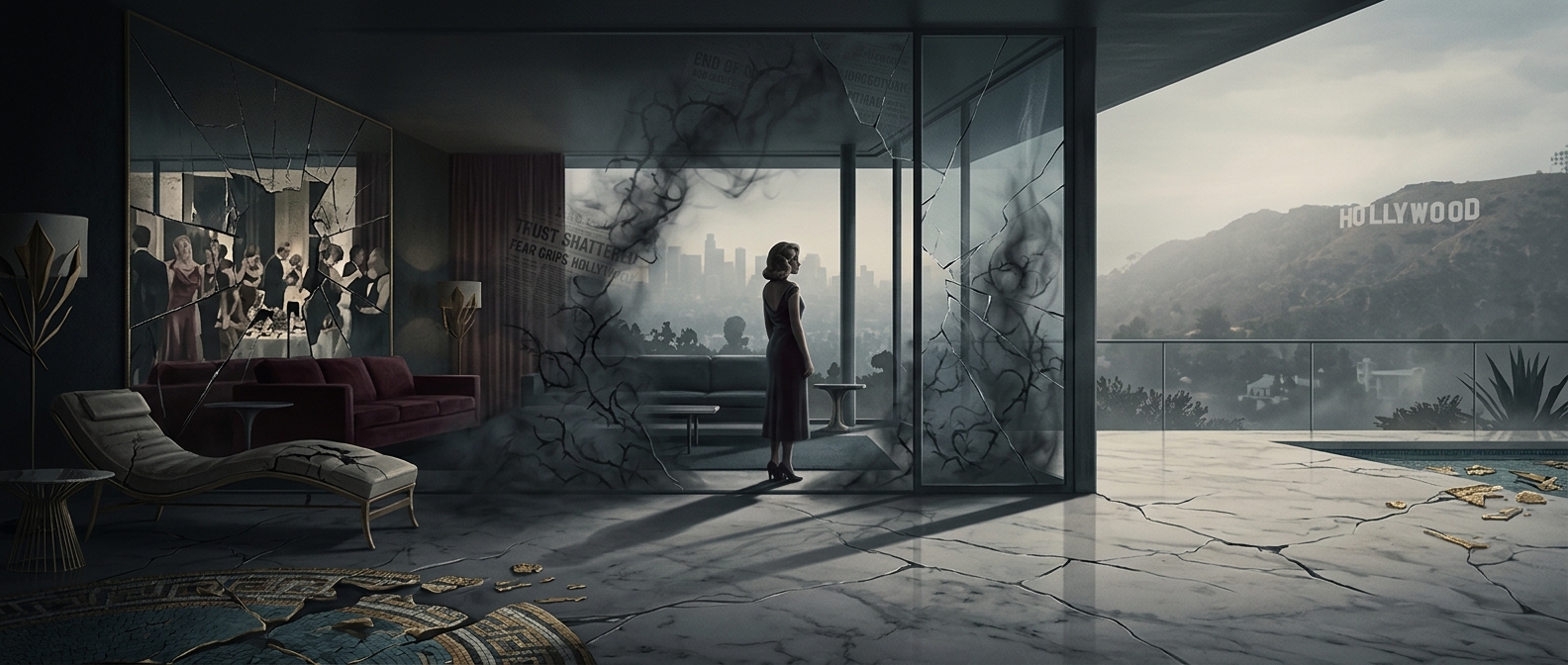
The killings at a secluded Los Angeles home struck at a boundary many people had treated as reassuring: fame might make a person visible in public, but home was supposed to remain a refuge. The victims included actress Sharon Tate, her friend Abigail Folger, and Wojciech Frykowski. Their deaths made that boundary seem vulnerable—not just to celebrities, but to anyone imagining an intruder crossing from the public world into a living room.
Fear Became a Household Decision
The rush to hire guards and obtain dogs turned shock into practical action. A security guard could watch a property; a dog could alert residents to someone approaching. Neither could erase the danger, but each offered a way to make a home feel less exposed. When demand outran supply, private fear became visible in a new way: people were changing how they protected their homes.
That response also altered the meaning of celebrity access. A famous person’s home could be part of a public image—an address associated with glamour, guests, and an apparently open social life. After the murders, openness could look less like ease and more like risk. The appeal of a visible, welcoming life had to be weighed against the need for barriers, watchers, and controlled entry.
The Cost of Feeling Safe
Security did not simply add equipment to a house; it changed the relationship between residents and the people outside it. A gate or guard creates distance, and distance can protect privacy while making a home feel less welcoming. The immediate scramble for protection captured that tradeoff in concrete terms: celebrity life became harder to imagine as carefree when even the home seemed to require a line of defense.