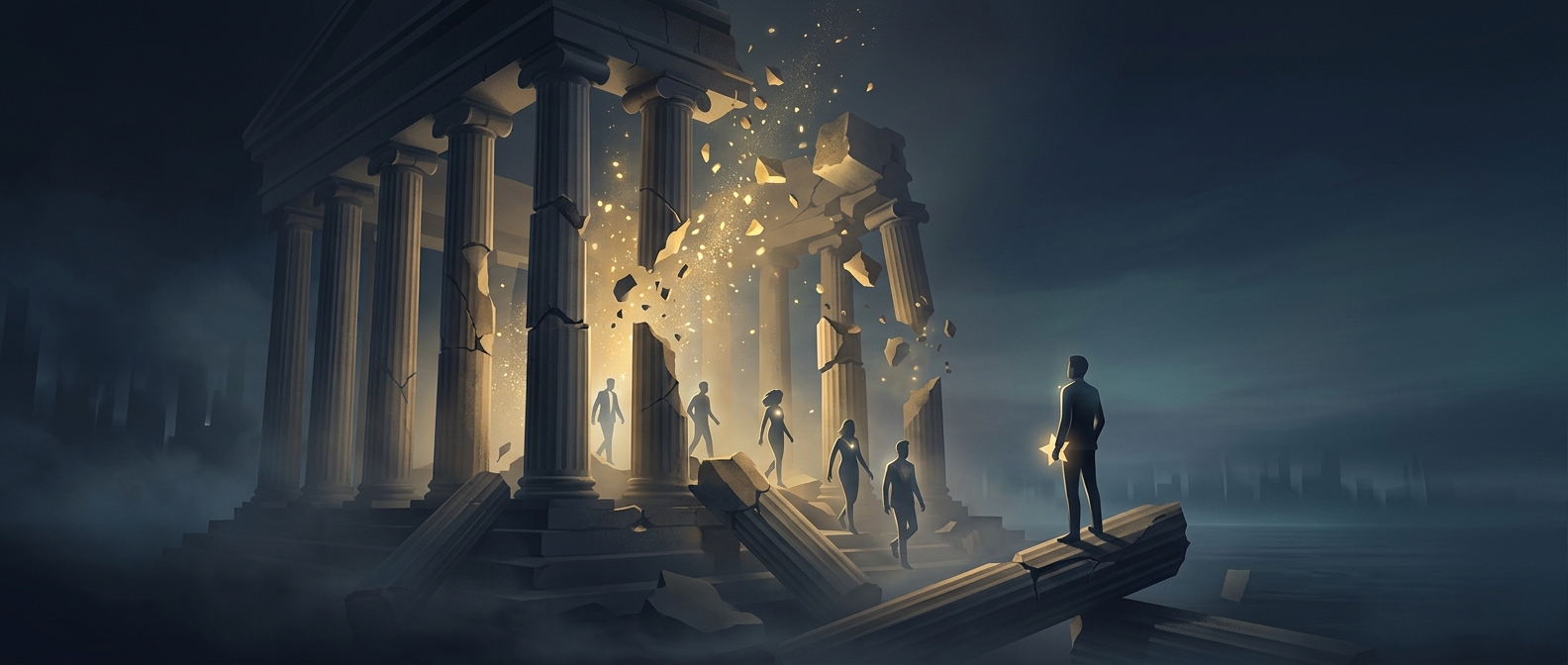
From a performer to a reusable digital asset
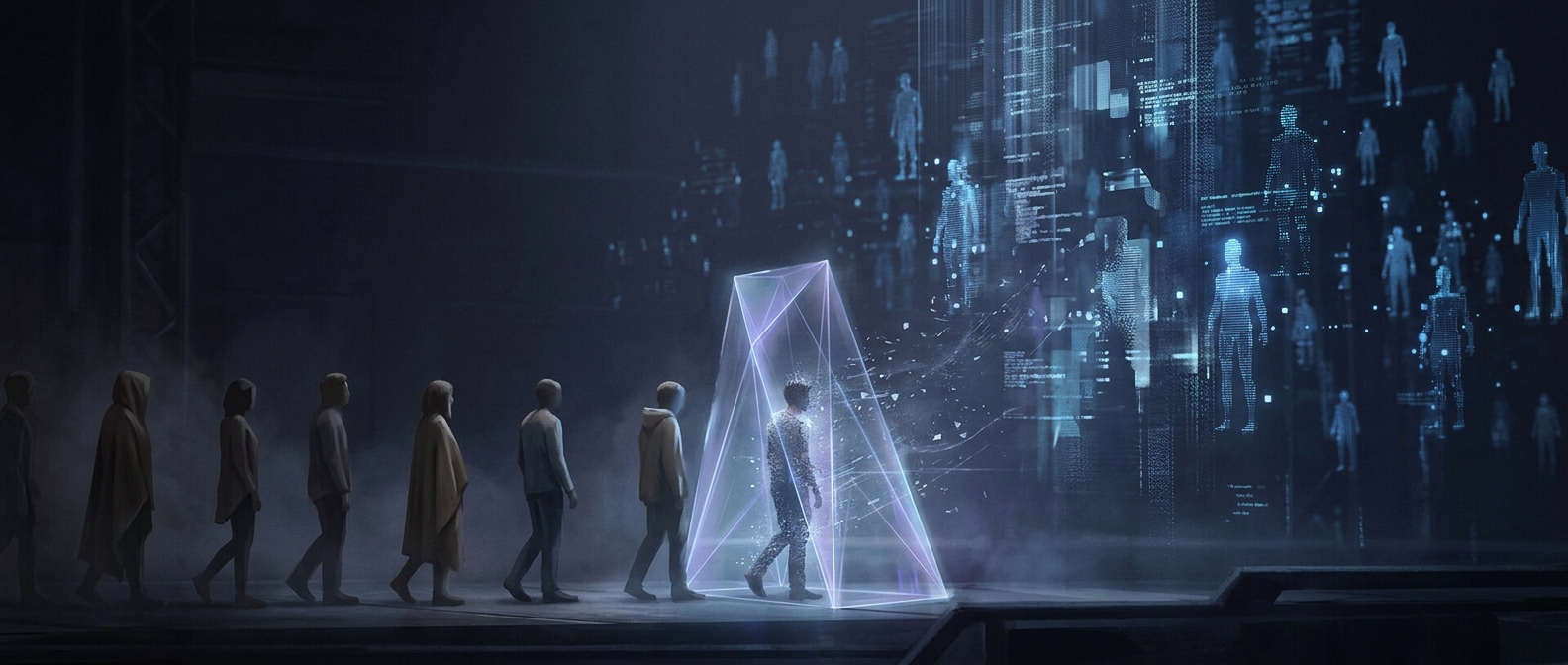
A full-body scan captures an actor’s shape and visible appearance as data. In a film-effects workflow, that scan can become the starting point for a digital double: a computer-generated version of the person that artists can place in a scene without bringing the performer back to set.
That changes what “background acting” can mean. A studio can populate a large crowd by arranging digital figures across a shot, then adjusting their positions and movements to fit the scene. Seen from far away, those figures help make a street, stadium, or battlefield feel busy; the individual faces may not need the detail required for a close-up. A scanned extra can therefore contribute to images made long after the day they were paid to work.
The tradeoff behind the scan
For a production, digital doubles offer flexibility: artists can add or reposition people when a scene is being finished, rather than coordinating another large group of performers. But the performer’s contribution is no longer limited to the hours spent on set. If the studio keeps the right to reuse the scan, the digital likeness can remain available for later crowd scenes without another day of filming.
The central tension is between a one-day performance and an asset that can be reused. The scan does not itself perform or make creative decisions; people still decide where the digital figures appear and how they move. Yet the work of filling a crowd can be separated from hiring the person whose body supplied the model. That is why a seemingly brief scan session can matter as much as the day’s on-camera work: it can determine who controls the performer’s digital stand-in afterward.