A Smile That Worked Against the Polished-Lead Look
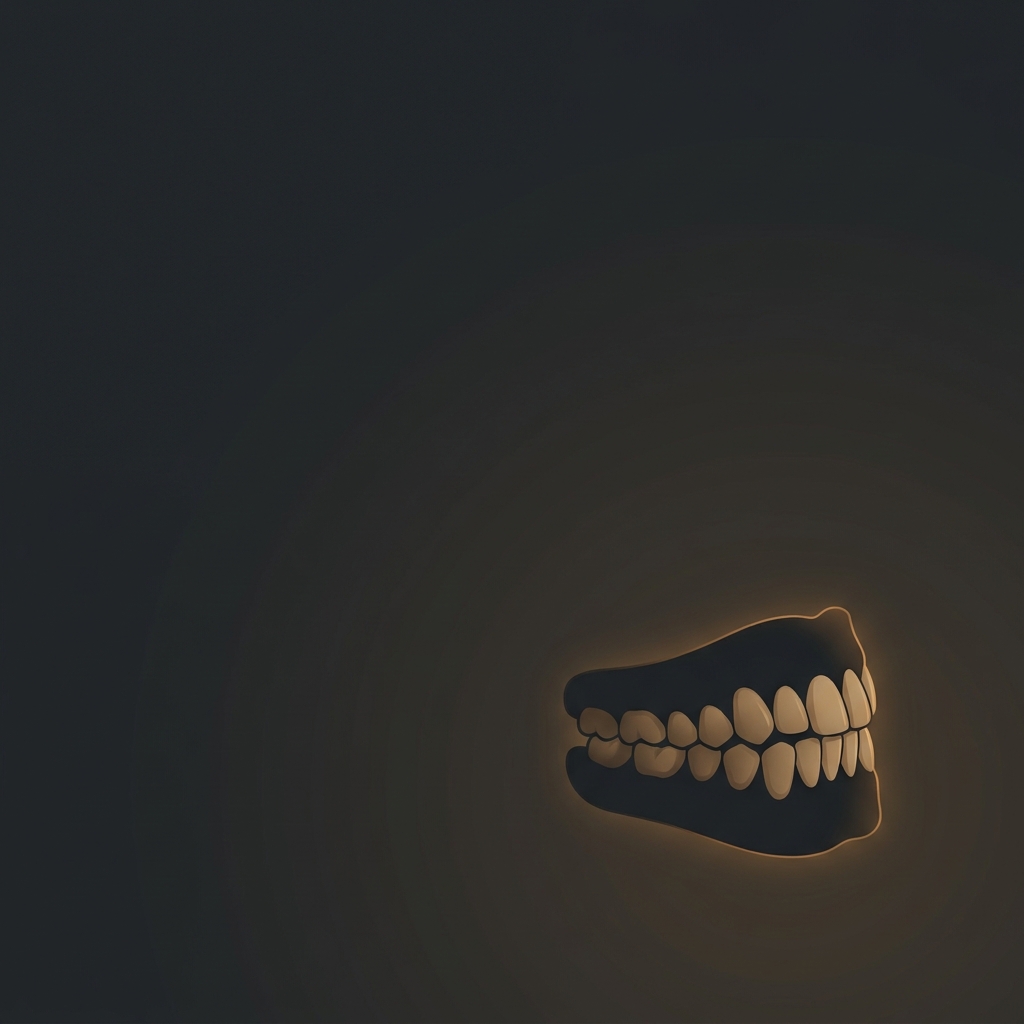
In film and television, a face can communicate character before a performer says a word. A perfectly even, camera-ready smile often fits the familiar image of a romantic lead; an unusual feature can make someone seem more unpredictable, vulnerable, or hard to place. Steve Buscemi’s crooked teeth became part of that instantly recognizable look.
That mattered in casting. Directors choosing someone to play a criminal, a misfit, or an anxious outsider may value a face that feels distinctive rather than conventionally handsome. Buscemi’s smile could help make a character seem less like a generic screen type and more like a particular person—an advantage in roles built around eccentricity or unease.
Keeping a Feature Can Preserve an Advantage
Cosmetic dentistry could have made his teeth more conventionally uniform, but changing them might also have softened a feature that helped distinguish him. That does not mean crooked teeth automatically win an actor roles; casting depends on performance, writing, and the needs of a production. The point is that an appearance people might otherwise treat as a flaw can become useful in a profession where recognizability and fit matter.
Buscemi reportedly chose not to have his teeth fixed for that reason. The practical consequence is easy to picture: when a casting team needs someone who looks a little unsettling or unmistakably offbeat, a familiar, unpolished smile can do character work before the first line.