A “safari” can be an everyday trip
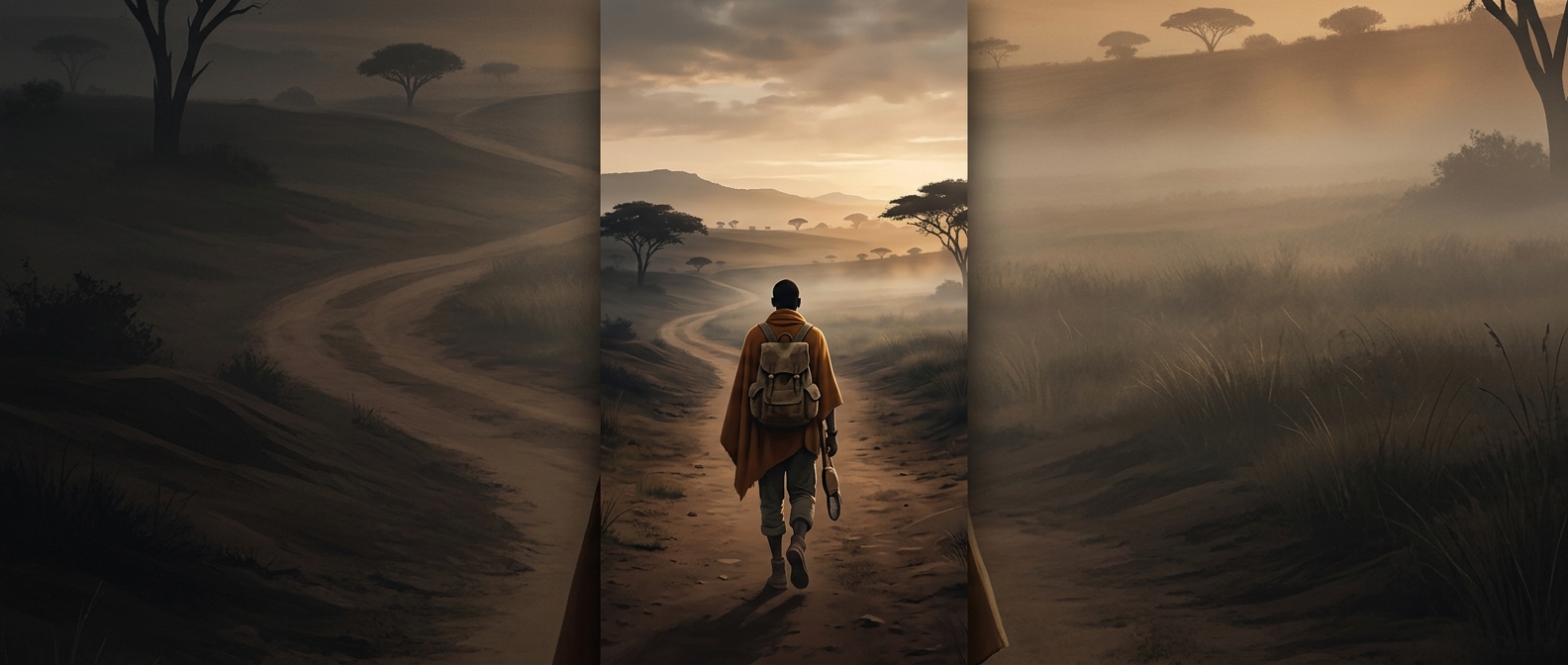
In Swahili, safari means a journey or trip, without specifying what the traveler will see or how far they will go. Someone walking to the market can describe the outing as a safari; the word itself does not imply a tour, a vehicle, or wildlife.
The surrounding conversation supplies the scale. A short errand and a long trip can both be journeys, just as “trip” in English can mean anything from a visit to a nearby shop to a vacation.
How English made the word more specific
English adopted safari with a much narrower association: an expedition to see or hunt wild animals, especially in Africa. That familiar meaning can make the word sound grand or adventurous to English speakers, even when its Swahili use is ordinary.
The contrast is a reminder that borrowed words can change as they travel. In Swahili, the key idea is simply going somewhere; the market, the distance, and the purpose come from the situation—not from the word safari itself.