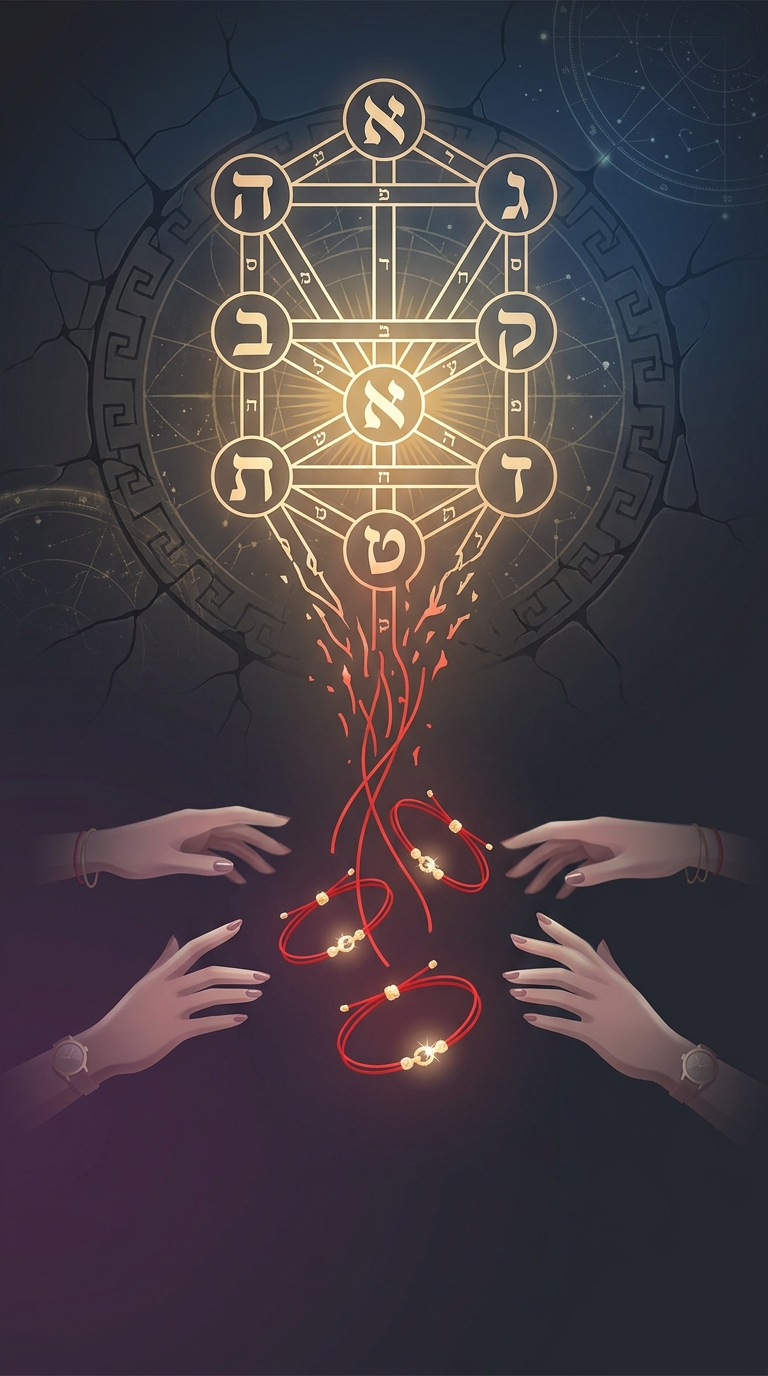
Why Rabbi Akiva’s Return Matters
The story of four sages entering the Pardes—literally, an orchard—turns mystical knowledge into a test of judgment. In the Talmudic account, Rabbi Akiva is the only one said to enter and leave “in peace.” Ben Azzai dies, Ben Zoma is harmed, and Elisha ben Abuyah, later known as Aher, turns away from the tradition. The contrast is not simply between a brave traveler and three unlucky ones: it asks whether a person can confront divine mysteries without being overwhelmed or misled by them.
The Talmud gives no detailed travel itinerary or explanation that Akiva survives by using a particular set of seals. Its emphasis is on the danger of interpreting what one encounters. A warning in the surrounding discussion cautions against mistaking visionary appearances for literal descriptions of heaven. Akiva’s success is presented as disciplined understanding, not just access to secret information.
Where the Gatekeepers Enter the Story
Other Jewish mystical writings, especially texts associated with Hekhalot (“palaces”), describe ascent through heavenly chambers guarded by angels. In these accounts, passwords, seals, and divine names can serve as credentials: the visionary must present the right sign at a threshold rather than simply force a way through. A seal is a ritual sign or formula meant to establish that the traveler has permission to pass.
These accounts help explain why later retellings picture the heavenly journey as a perilous sequence of guarded gates. But they are a different layer of the mystical tradition from the brief Talmudic Pardes episode. The familiar image of Akiva navigating seven guarded levels with exact geometric seals combines motifs that should not be mistaken for the Talmud’s own explanation of his survival.
A Journey That Could Change Its Traveler
The stories make ascent dangerous in two senses. The visionary may face hostile powers in the heavenly landscape, but the more lasting risk is returning with a damaged grasp of reality or faith. The four sages’ sharply different outcomes turn that risk into a memorable warning: in mystical traditions, reaching a vision was not the same as being prepared to interpret it.