How an NDA protects deal value
A merger often requires companies to open the books before they know whether a deal will close. Potential buyers may need access to customer lists, pricing plans, product designs, financial forecasts, or details about key employees. Those facts can help a buyer judge the business—but could also help a competitor undercut it if they spread beyond the deal team.
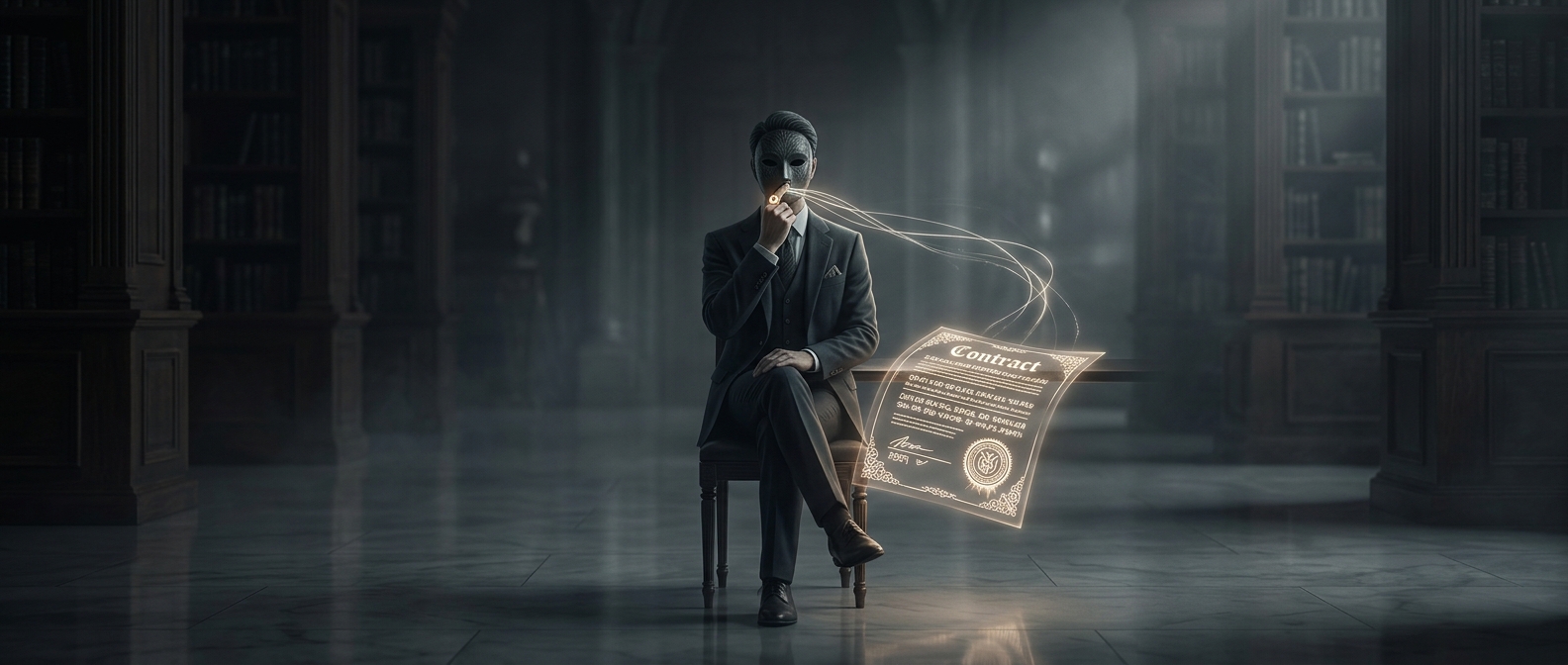
A non-disclosure agreement (NDA) sets rules for handling that information. It typically defines what counts as confidential, limits who may use it and for what purpose, and restricts sharing it with others. That gives the seller a way to disclose useful details for evaluation without simply surrendering control over them.
Confidentiality preserves bargaining power
The information itself can carry economic value because it may reveal how to win customers, cut costs, or beat a rival to market. If a prospective buyer could freely reuse it after walking away, the seller would face a choice between withholding facts needed to assess the business and exposing an advantage it spent years building.
An NDA helps make disclosure possible while negotiations proceed. It can also protect partners’ information, which matters when a company’s contracts or relationships depend on keeping shared data private. In that sense, the agreement supports the deal process: the parties can examine more of the business while reducing the risk that sensitive details become a competitor’s shortcut.
A safeguard, not a vault
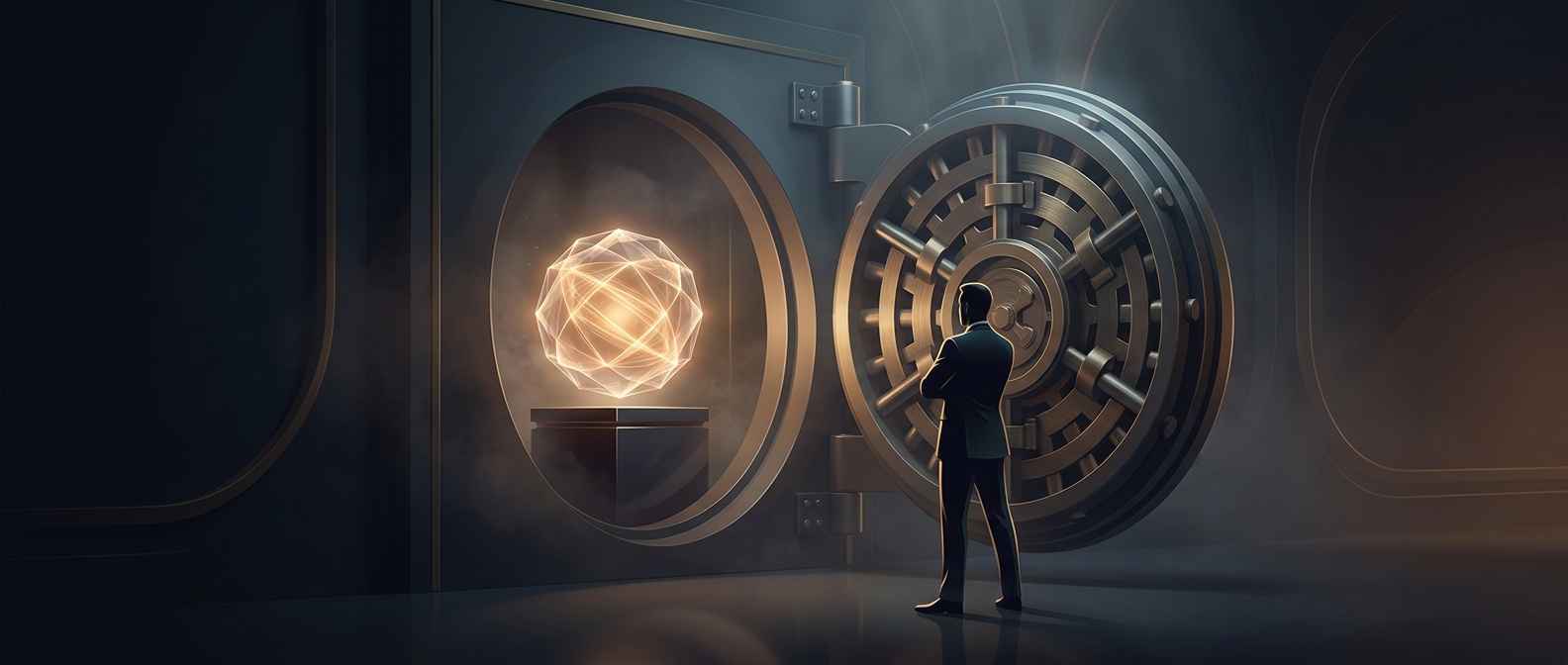
An NDA does not make information physically impossible to copy or guarantee that no leak will occur. Its practical force depends on clear terms, careful control over access, and the ability to respond if someone breaches the agreement. Companies may therefore share sensitive material through restricted deal rooms and limit access to people who need it.
The asset is not the paperwork alone. It is the company’s ability to use valuable information in negotiations without automatically giving that advantage to the market—even if the merger never happens.