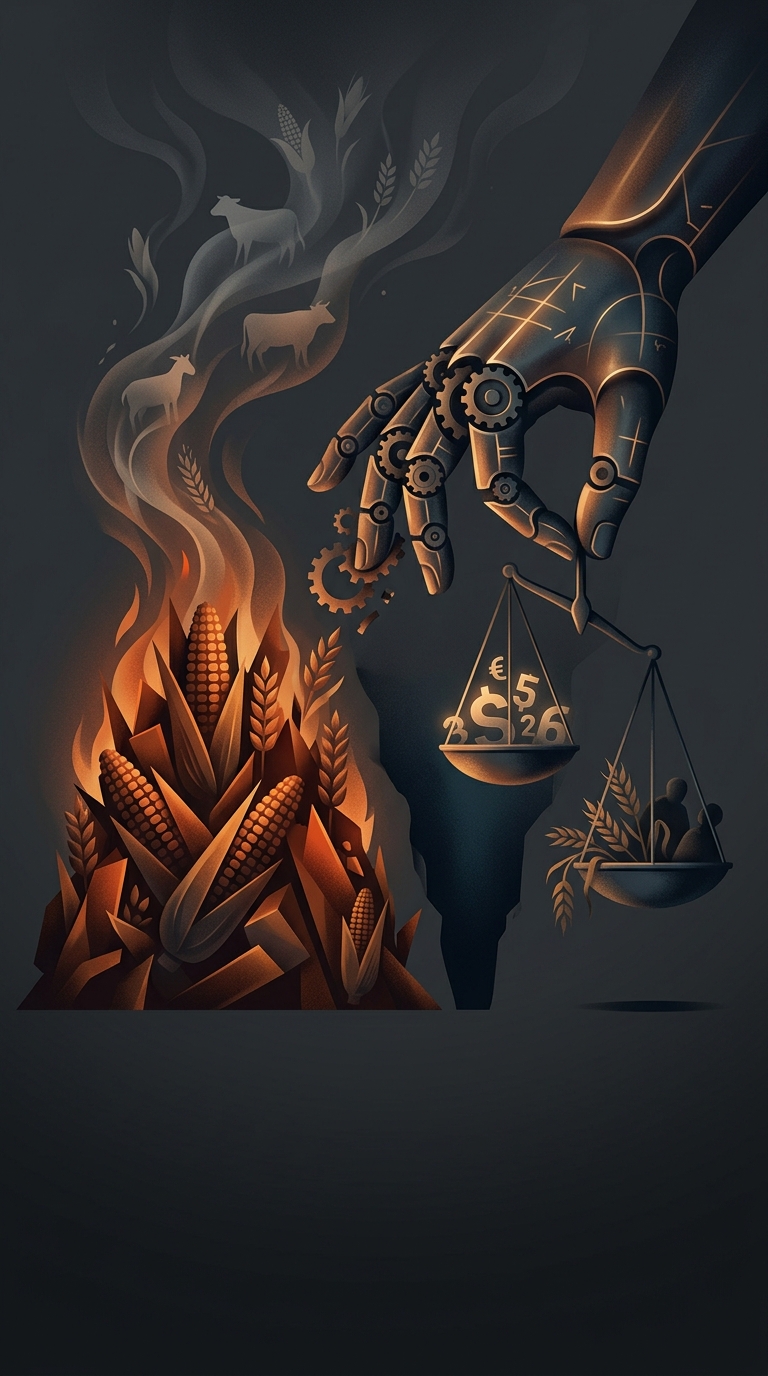
Why falling prices threatened farms
The Great Depression broke the link between having a crop and earning a living from it. With incomes collapsing, families bought less; with farms still producing, grain, cotton, and livestock piled up. Prices fell so low that many farmers could not cover debts and operating costs. The problem was not simply too much food in the country. It was that people who needed food lacked the money to buy it, while producers could not sell enough at a sustainable price.
How the Agricultural Adjustment Act tried to intervene
The 1933 Agricultural Adjustment Act sought to raise farm prices by reducing what came to market. Under its programs, the government paid participating farmers to cut production—by planting less acreage or, in the case of hogs, reducing herds. The logic was supply and demand: if buyers competed for a smaller harvest, prices might rise and farm income might recover.
That policy treated a market glut as an immediate threat to farmers, not as a problem that could be solved simply by moving surplus food to hungry households. Destroying or withholding produce could affect prices faster than building a system to collect, store, transport, and distribute food. But it made the policy’s tradeoff painfully visible: the same crop could be economically “surplus” and desperately needed, depending on who could afford it.
Who benefited—and who bore the cost
Higher prices could help farmers who owned land and qualified for payments, but the benefits did not reach everyone working the fields. Tenants and sharecroppers—people who farmed land owned by someone else, often in exchange for a share of the crop—could lose work or income when acreage was cut, even as landowners received federal payments.
The episode exposed a limit of price policy: raising the value of food does not automatically make it affordable to people without purchasing power. It could support farm prices, but it could not, by itself, put meals on the tables of families shut out of the market.