Why a Moonlit Night Entered the Sauerkraut Recipe
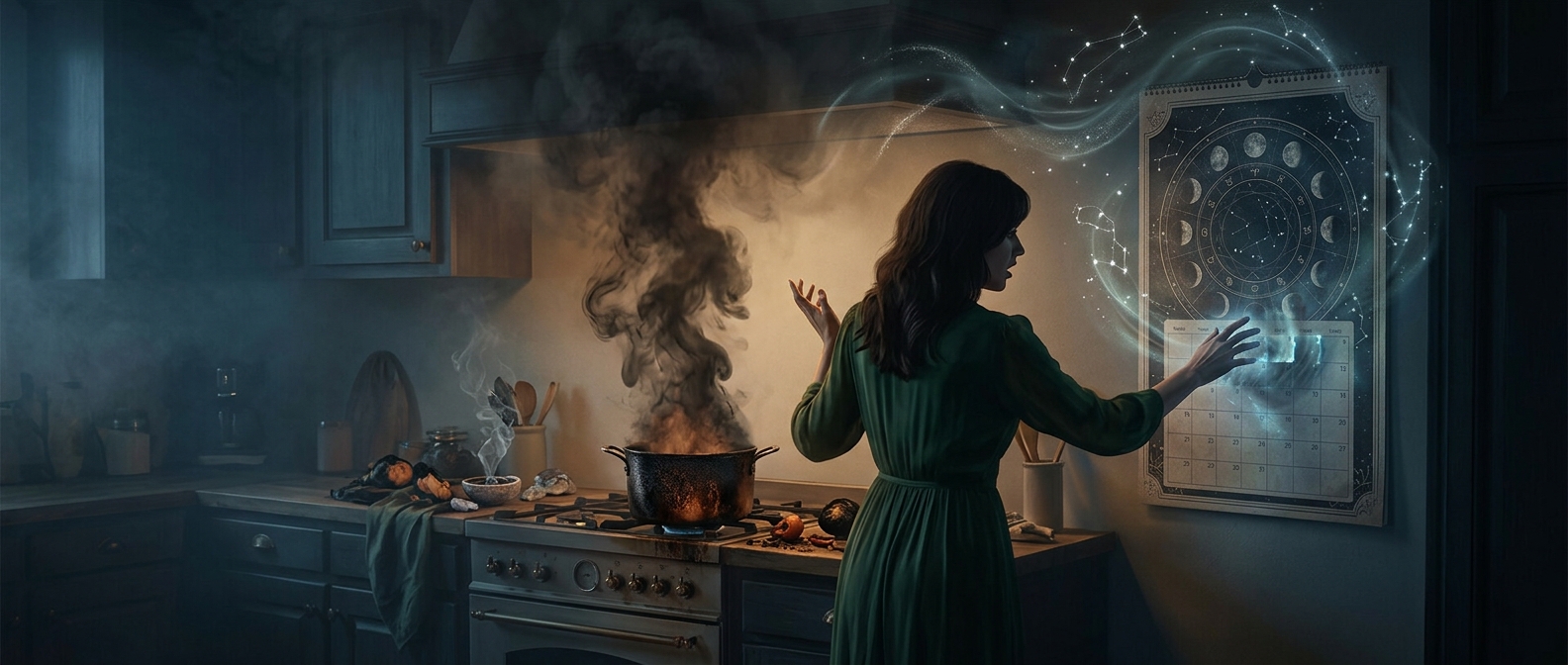
The warning that bright moonlight makes cabbage mushy gives a household fermentation rule a celestial marker. But the texture of fermented cabbage is shaped more directly by what happens in the crock: salt draws liquid from the shredded leaves, and naturally present lactic-acid bacteria use the sugars in that liquid as they ferment. The cabbage needs to stay beneath the brine while the mixture acidifies.
The Conditions That Shape the Crunch
Soft cabbage can result when the fermentation environment is off—especially if the cabbage is not kept submerged or the temperature is too warm. The vegetable’s freshness and the amount of salt also matter. Darkness, by itself, is not the key ingredient in this process.
That helps explain how a moon rule can coexist with practical kitchen knowledge without being a scientific account of fermentation. A recipe can preserve a memorable warning about when not to begin while the crock’s actual conditions determine whether the cabbage stays crisp.
A Rule That Travels With the Recipe
For a modern cook, the useful takeaway is to pay attention to the cabbage and brine rather than the phase of the moon: keep the pieces under the liquid and ferment them in suitable conditions. The old warning remains a striking reminder that recipes often carry both a method and the beliefs through which earlier cooks remembered it.