Why the Sega 32X Needed Metal Spacers
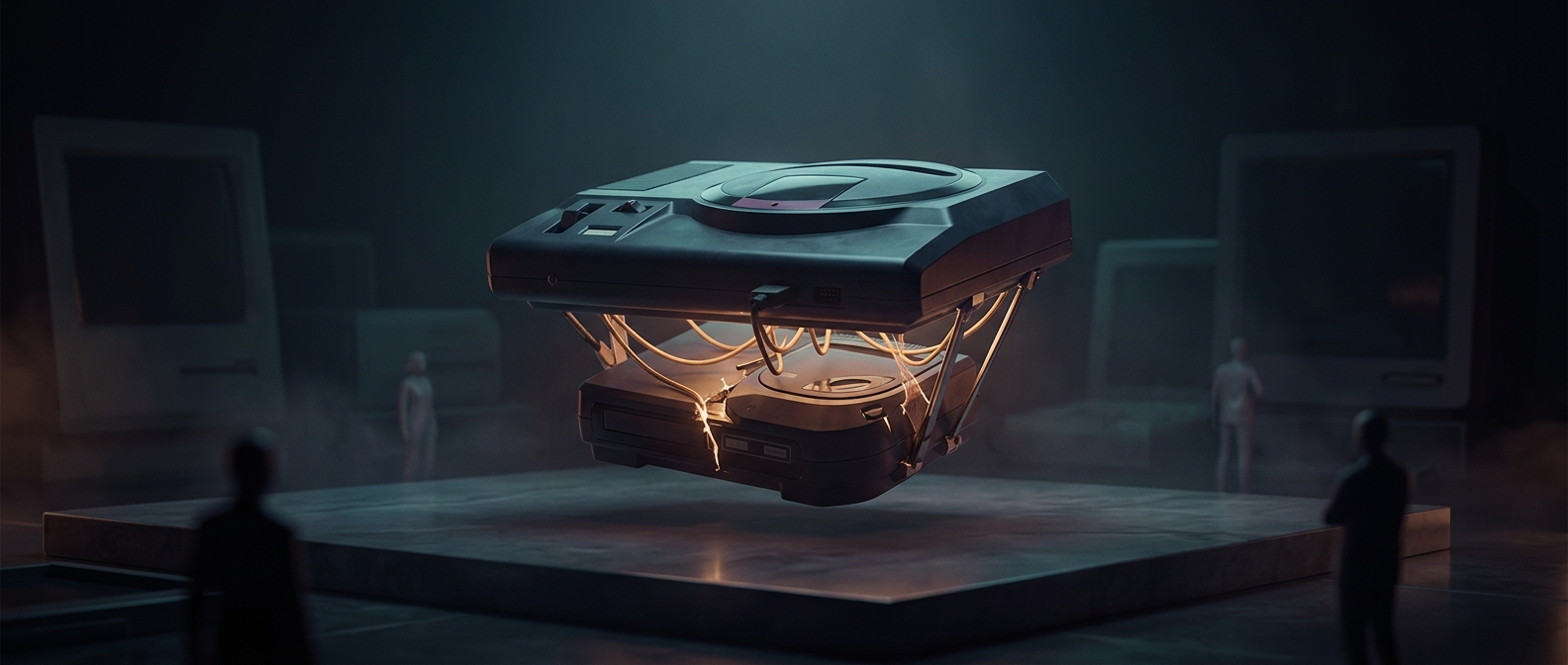
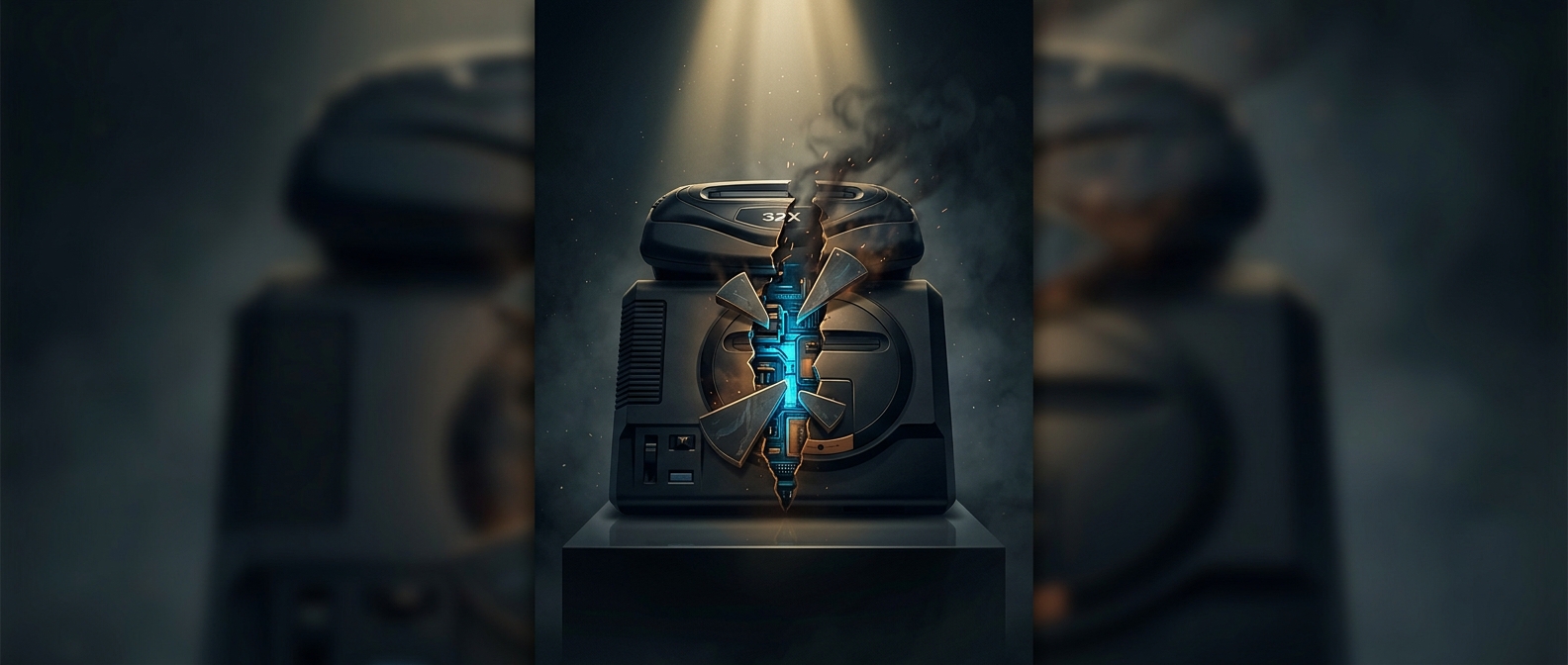
The 32X added a second set of processing hardware to the Sega Genesis. Instead of replacing the console, it plugged into the cartridge slot, putting new electronics directly above the Genesis’s existing circuitry. That compact arrangement made electrical interference a practical concern: electronic components can generate unwanted signals that disrupt nearby video or control circuits.
The spacer brackets helped keep the add-on properly positioned and separated from the console. Their metal construction also provided shielding, helping limit interference between the two devices. In other words, the brackets were part of making the stacked hardware work reliably, not merely decorative supports.
An Upgrade That Had to Fit More Than One Console
The 32X was designed to work with different Genesis versions, whose shapes and cartridge-slot heights were not identical. A snug fit on one model could leave the add-on unstable or poorly aligned on another. Brackets and spacers helped bridge those physical differences while keeping the electrical connection in place.
That meant installing the 32X involved more than inserting a cartridge: owners had to handle the add-on, its connection to the console, and the supporting pieces together. The setup exposed a basic tradeoff in the design. Sega could add new capabilities without asking players to replace their Genesis, but stacking a powerful expansion on older hardware brought fit and interference problems that a simple plug-in device would not face. The result was an upgrade that looked less like a cartridge and more like a small piece of equipment being fitted to a machine.