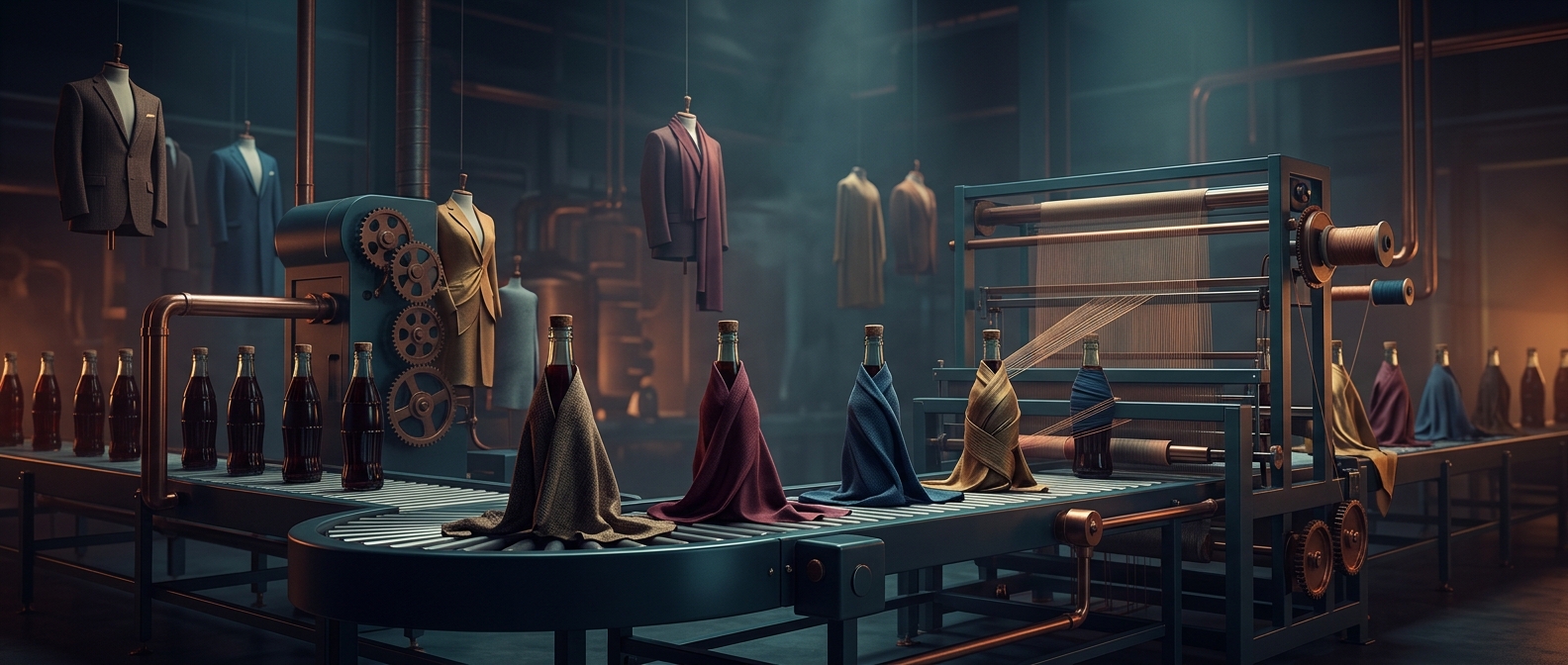
Why a Drinks Company Might Buy a Clothing Business
A beverage company that earns more cash than it needs to expand its drink operations can put that money to work elsewhere. Buying a business in another industry offers one route: instead of relying entirely on the fortunes of one product, the parent company owns businesses with different customers, costs, and sales cycles. This structure is called a conglomerate.
The appeal is financial as much as strategic. A steady drinks business may generate cash that can fund an acquisition, while the new division offers another source of revenue. The businesses need not make the same products to sit under the same corporate roof; headquarters can allocate money among them and monitor their results.
One Owner, Two Different Clocks
The difficulty is that beverages and clothing demand different kinds of management. Drinks depend on production, distribution, and keeping a familiar product available. Apparel companies must anticipate changing tastes and seasonal demand: a jacket ordered for one season may lose value if it arrives after shoppers have moved on.
That mismatch makes ownership alone a weak advantage. The parent must decide whether the clothing division gets investment, operates with substantial independence, or is eventually sold. Executives who understand beverage operations may not automatically know how to judge fashion inventory or product timing.
Diversification Has a Trade-Off
Owning unrelated businesses can spread risk, but it also spreads management’s attention. If the divisions do not share customers, suppliers, or expertise, the company has fewer practical ways to help one succeed beyond providing capital and oversight. A purchase that looks sensible on a balance sheet can therefore become difficult to manage in daily operations.
The surprising part is not that a beverage company could own a clothing factory; it is that a common corporate owner had to make two businesses with almost nothing in common compete for attention and investment.