A small gift changes the value of a meal
A Happy Meal is more than food in a smaller box: the toy gives children a reason to want the bundle. That can influence a family’s choice at the counter. The parent pays for the meal, but the child may be especially drawn to the extra; the toy helps make the purchase feel like a treat rather than simply a meal.
Why the numbers can get so large
McDonald’s serves customers across a vast network of restaurants. When a toy is included in a widely sold menu item, even an ordinary level of demand at each location adds up across that network. The company’s scale also gives it a way to distribute toys as part of a routine food purchase, rather than relying on shoppers to seek them out in toy stores.
The toy is not free to the business: it has to be designed or selected, produced, shipped, and stocked. Its economic purpose is to help make the Happy Meal more appealing and encourage customers to choose it. The strategy works only if that added appeal is worth the cost of supplying the extra item.
A promotional item with unusual reach
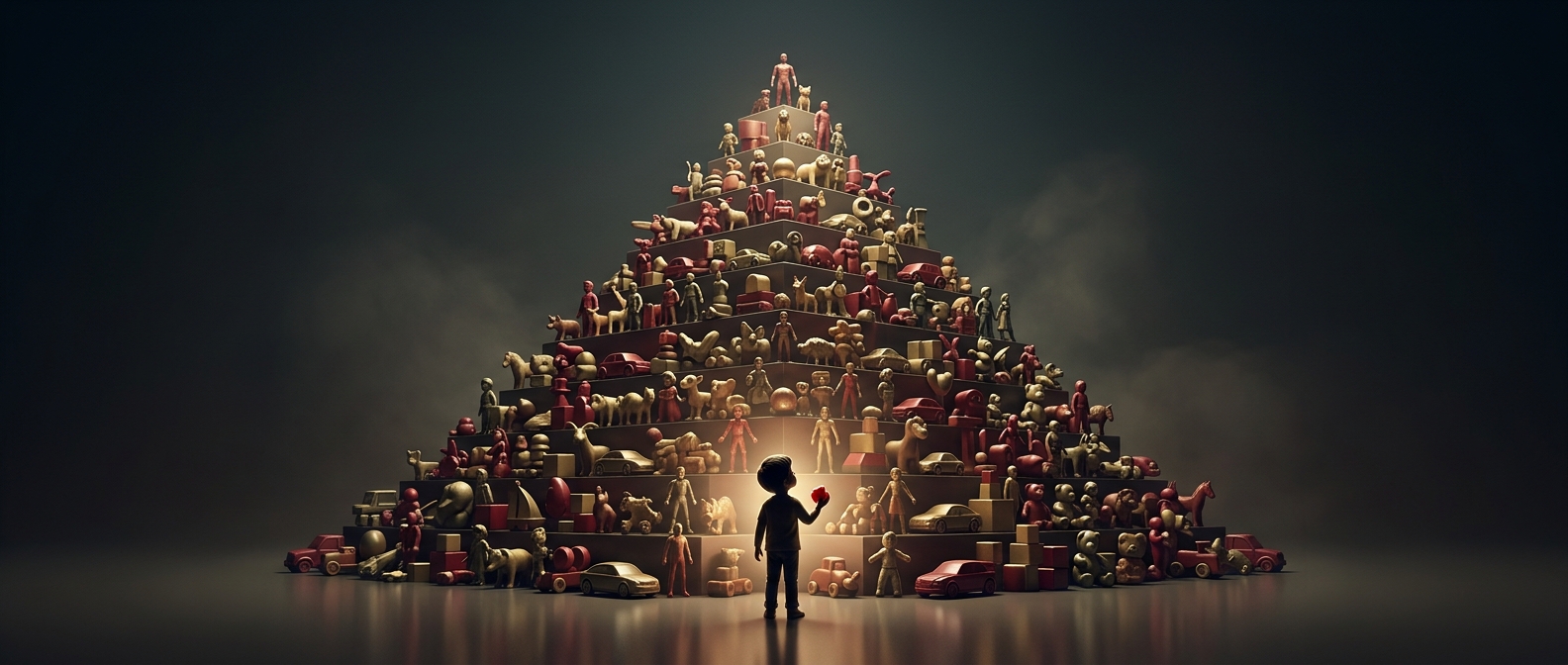
The toys can also put a restaurant brand or a licensed character into a child’s hands, extending the promotion beyond the meal itself. At more than 1.5 billion toys distributed worldwide each year, the sheer reach is striking: a children’s meal can double as one of the world’s largest channels for handing out toys.