Breakout Was a Hardware Puzzle, Not Just a Game
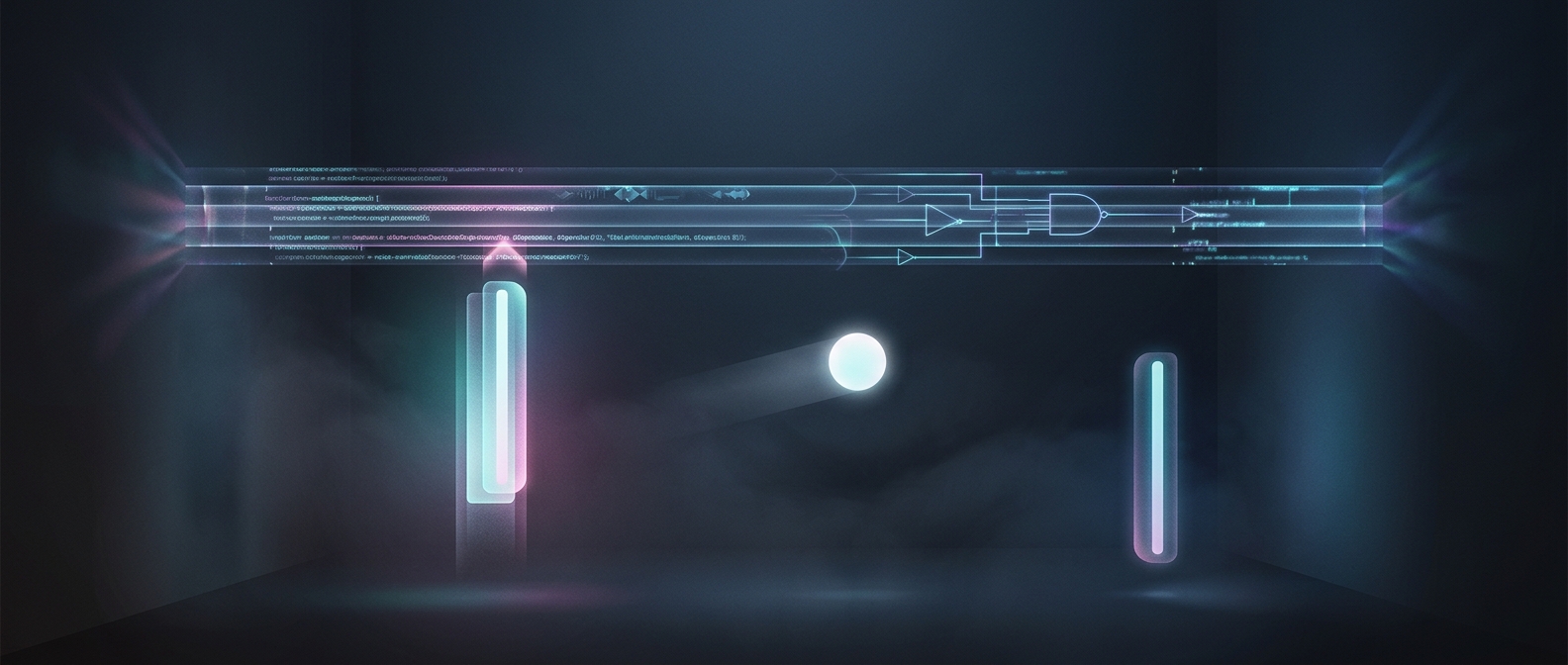
In Atari’s Breakout, a ball ricochets off a paddle to erase rows of bricks. Behind that simple screen, the machine had to track the ball, detect collisions, update the score, and draw the moving objects. In 1975, those jobs were handled by a circuit board built from many individual logic chips—rather than by a single general-purpose processor running a game program.
Atari wanted the board to use fewer chips. Each chip added cost and took up space, so reducing the count could make the game cheaper and easier to manufacture. Wozniak’s task was to make the same visible game work with a leaner arrangement of circuits. That meant treating every component as a design decision: combine functions where possible, remove unnecessary steps, and still keep the game responsive.
The Work Behind the Unequal Split
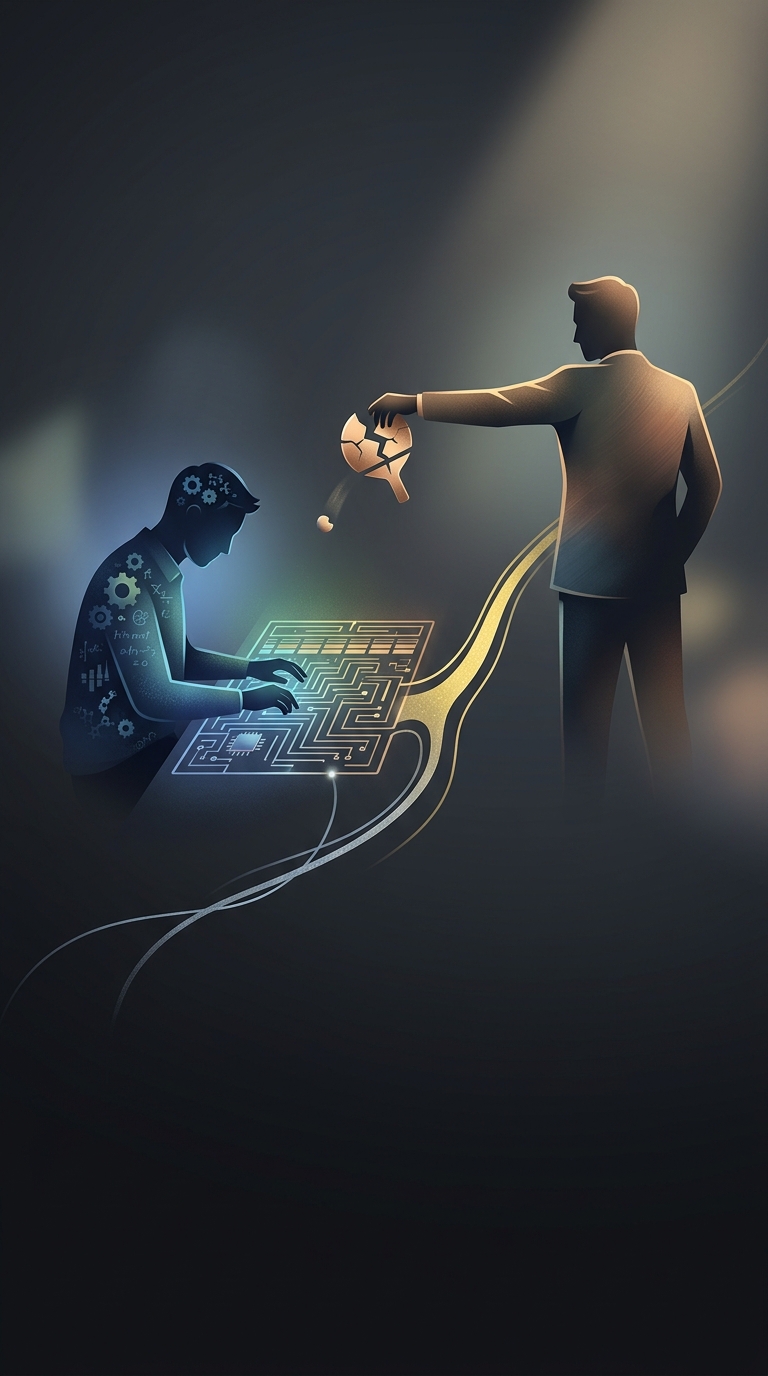
Jobs brought Wozniak in for the engineering challenge and offered to share a bonus tied to the chip reduction. Wozniak later recounted that Jobs said the bonus was $700, and gave him half of that; the actual bonus was $5,000. The contrast is striking because the board’s efficiency was measurable, while the agreement between the two friends depended on trust—and on one person controlling what the other knew about the payment.
The episode is often treated as a miniature of the tensions that would accompany the rise of technology companies: inventive work can create substantial value, but the people who do it may not have equal access to information or bargaining power. It happened before Apple, and it shows that the business relationships around a celebrated technical achievement were already part of the story.