The original Game Boy had room to evolve
Nintendo did not leave the Game Boy untouched for ten years. It released the smaller, lighter Game Boy Pocket in 1996, but that model kept the original system’s monochrome screen and basic hardware. The Game Boy Color, which arrived in 1998, was a more substantial step: it could display color and run games designed specifically for it.
That distinction mattered. A smaller case could refresh the product without asking players to replace their game libraries or developers to build for a new system. The Color, by contrast, offered a new capability while still supporting the vast collection of existing Game Boy games.
A new screen without abandoning old games
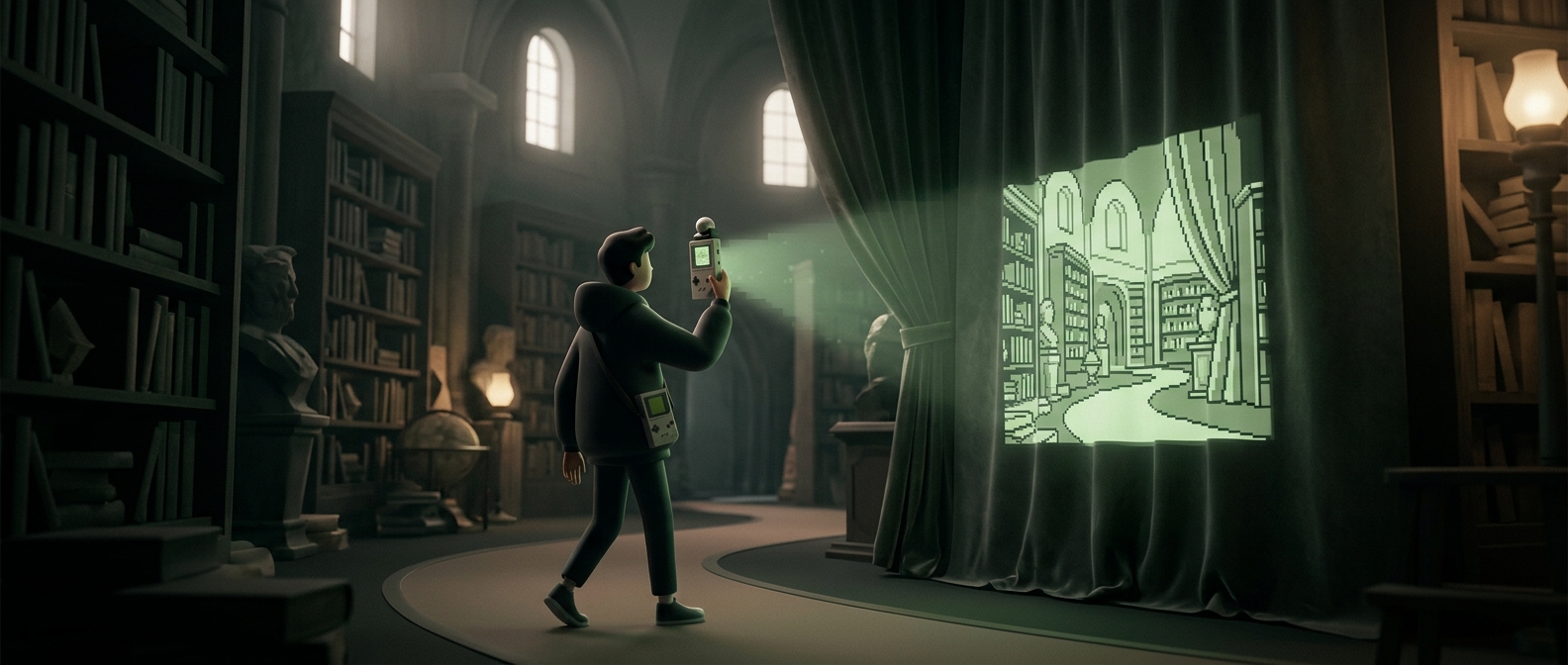
The Color’s compatibility was a practical bridge. Owners could keep playing their monochrome cartridges, while new games could use color. Some older games also gained limited color treatment on the new system, but they had not been designed around a color display.
This let Nintendo expand what the handheld could do without making its existing audience start over. It also gave game makers a reason to create new titles while preserving access to the established market of Game Boy owners.
Why waiting could pay
A hardware overhaul brings costs as well as features: a new device must be designed, produced, marketed, and supported with games. As long as the original Game Boy remained commercially useful, Nintendo could continue selling the system and its games instead of rushing to replace it. The Pocket refresh offered a change in form without discarding the platform; the Color arrived when Nintendo was ready to make color the next step.
The result was a gradual transition rather than a clean break. For players, that meant a new screen and new games—but not a reason to throw away the cartridges they already owned.