A tiny magnetic signal replaced a lid button
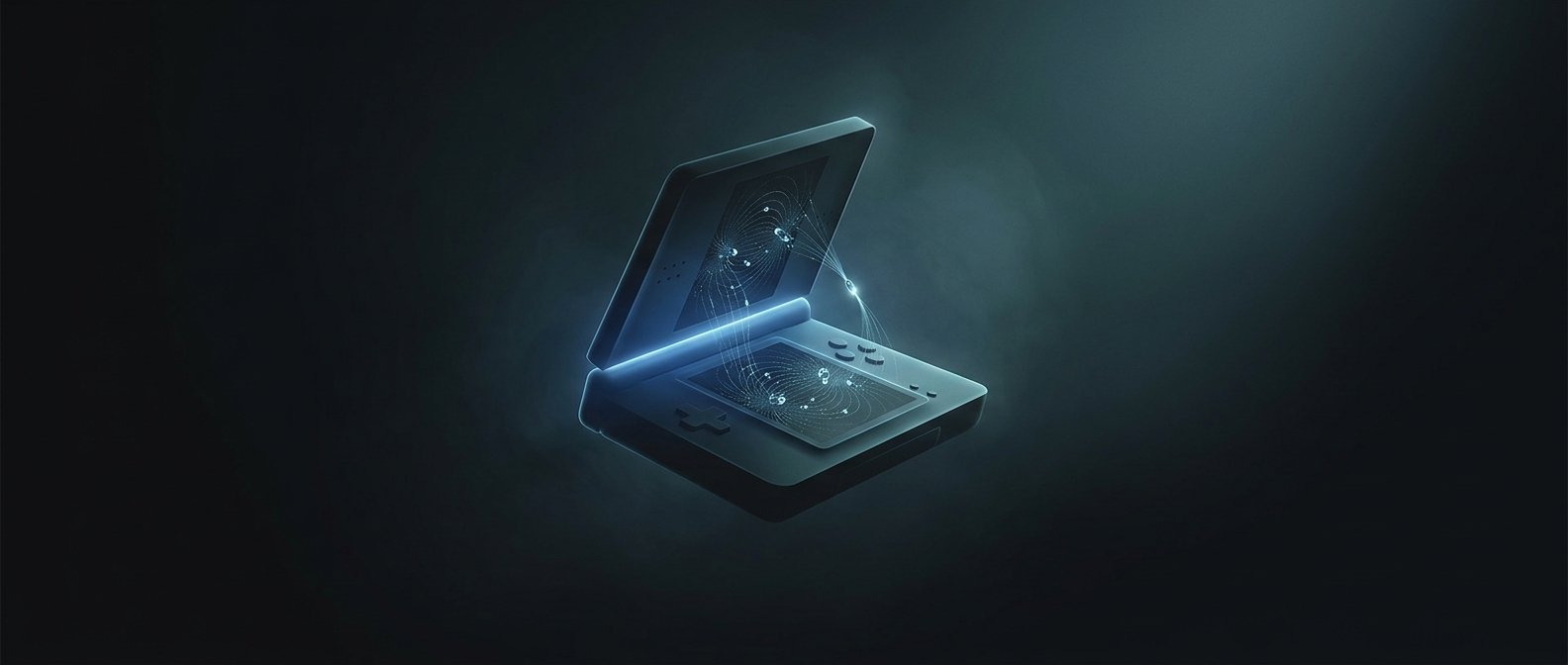
The Nintendo DS did not need a button that the hinge physically pressed when the screens folded together. Instead, a magnet in the top half—associated with its speaker—created a magnetic field that the lower half could detect. Closing the lid brought the magnet close enough to activate a concealed magnetic switch.
A reed switch, a common kind of magnetic switch, works by moving tiny metal contacts inside a sealed tube. The DS’s lid detector is often described as a reed switch; the key point is that the lid’s position could be sensed without a visible button or a complicated hinge linkage.
Closing the lid changed the game’s power state
When the switch signaled that the DS was shut, the system entered sleep mode. Rather than carrying on as if the screens were still open, a game could pause its activity and preserve its current state while using less power. Opening the lid reversed the signal, allowing play to resume.
That small design choice made the handheld easier to use in everyday moments: a player could close the DS to put it away or take a break, then reopen it without navigating menus. The hinge did more than fold the screens together—it brought a magnet and sensor into range, turning a simple motion into a command.