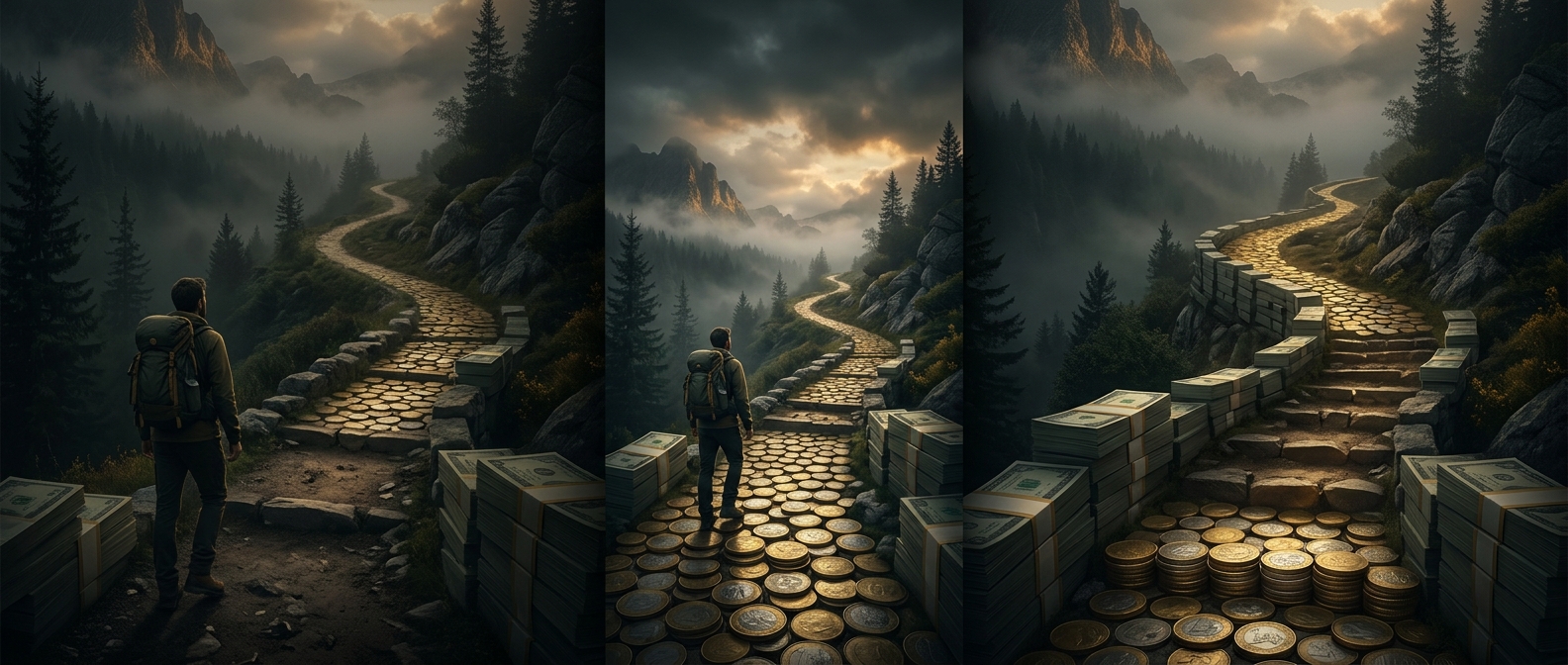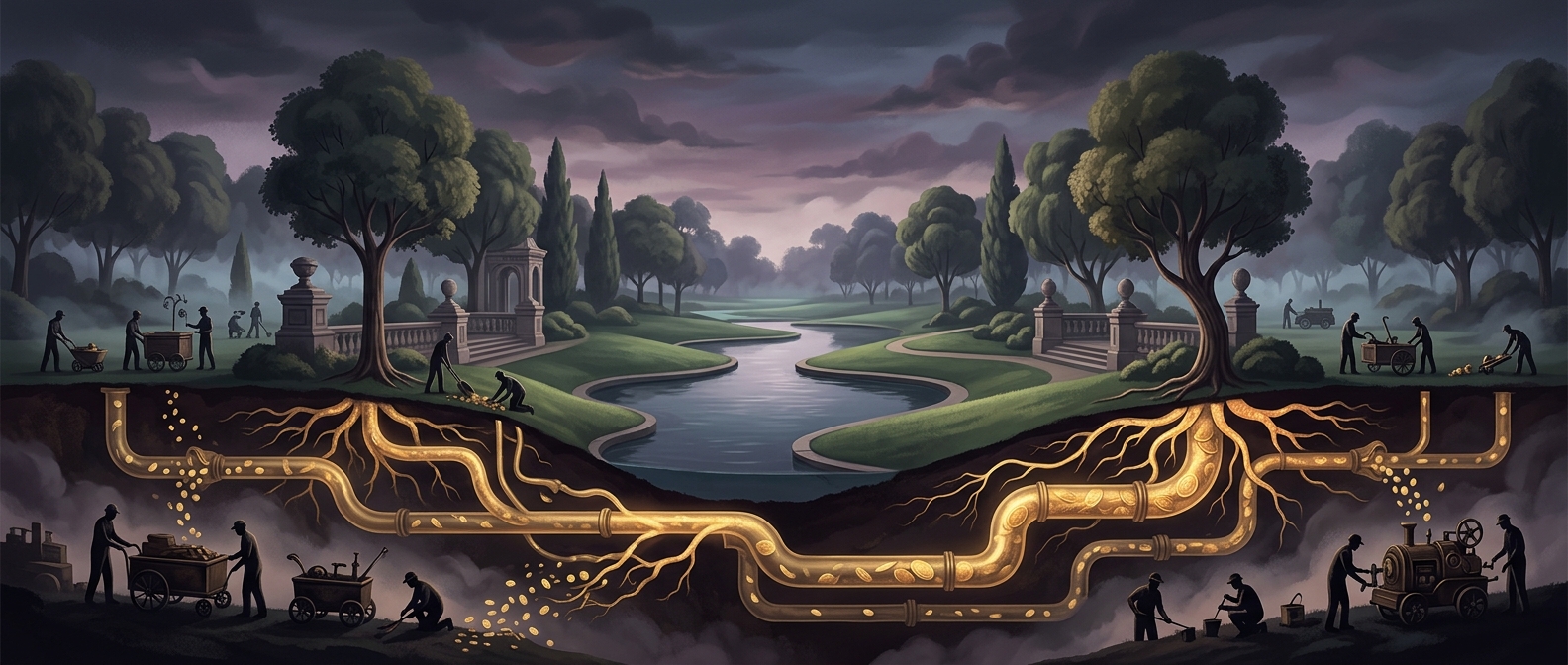
A park’s opening day is only the start of its cost
Building a park is a visible, one-time project; keeping it usable is a recurring service. Every season brings routine work—mowing, emptying bins, clearing paths—as well as repairs when equipment, surfaces, or planting wear out. Those jobs require staff time, tools, replacement materials, and sometimes specialist contractors. A small repair may be inexpensive on its own, but many sites generate a steady stream of them.
The workload also changes with use. Heavy foot traffic can compact soil and wear paths; popular play areas and sports facilities may need more frequent attention. Storms, invasive plants, and deliberate damage add unpredictable tasks. A city therefore cannot budget for upkeep simply by estimating how much it costs to build the park. It must plan for a continuing flow of labor and repairs, even when no single problem looks large.
Deferred work can become a more expensive choice
When budgets tighten, maintenance is easy to postpone because the consequences may not be immediate. A damaged bench can wait; a worn path may remain passable for a while. But deferred repairs can allow small defects to spread, turning a patch into a larger replacement job. Meanwhile, neglected spaces can become less welcoming and may require more cleanup or restoration later.
That creates a tradeoff for city budgets: spend steadily to keep the park functional, or accept a risk that costs and disruption will build up. The public sees the grass and playground; much of the value depends on the less visible work that keeps them safe and ready to use.