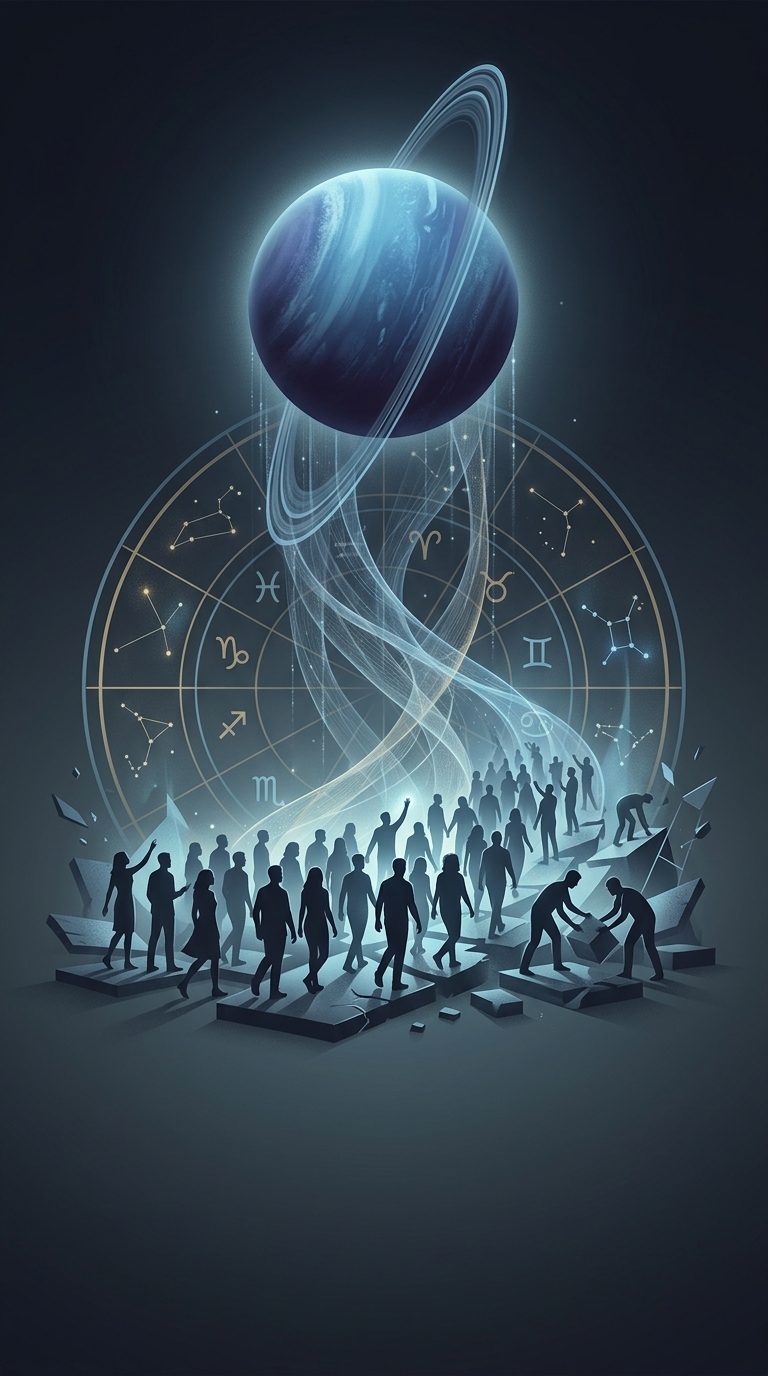
Why Uranus Is Treated as a Generational Planet
In astrology, a planet’s “sign” is the section of the zodiac it appears to occupy from Earth. Because Uranus moves slowly, people born within a span of several years often share its sign. Astrologers therefore call it a generational planet: its sign is read as a broad symbol of the era, not a detailed portrait of each person.
Uranus can seem to reverse direction in the sky for part of each year, a visual effect called retrograde motion. That makes its timing at sign boundaries less tidy than a simple seven-year schedule. People born near a transition may have a different Uranus sign from others in their age group, and the dates vary slightly across astrological tables.
From a Sign to a Generational Story
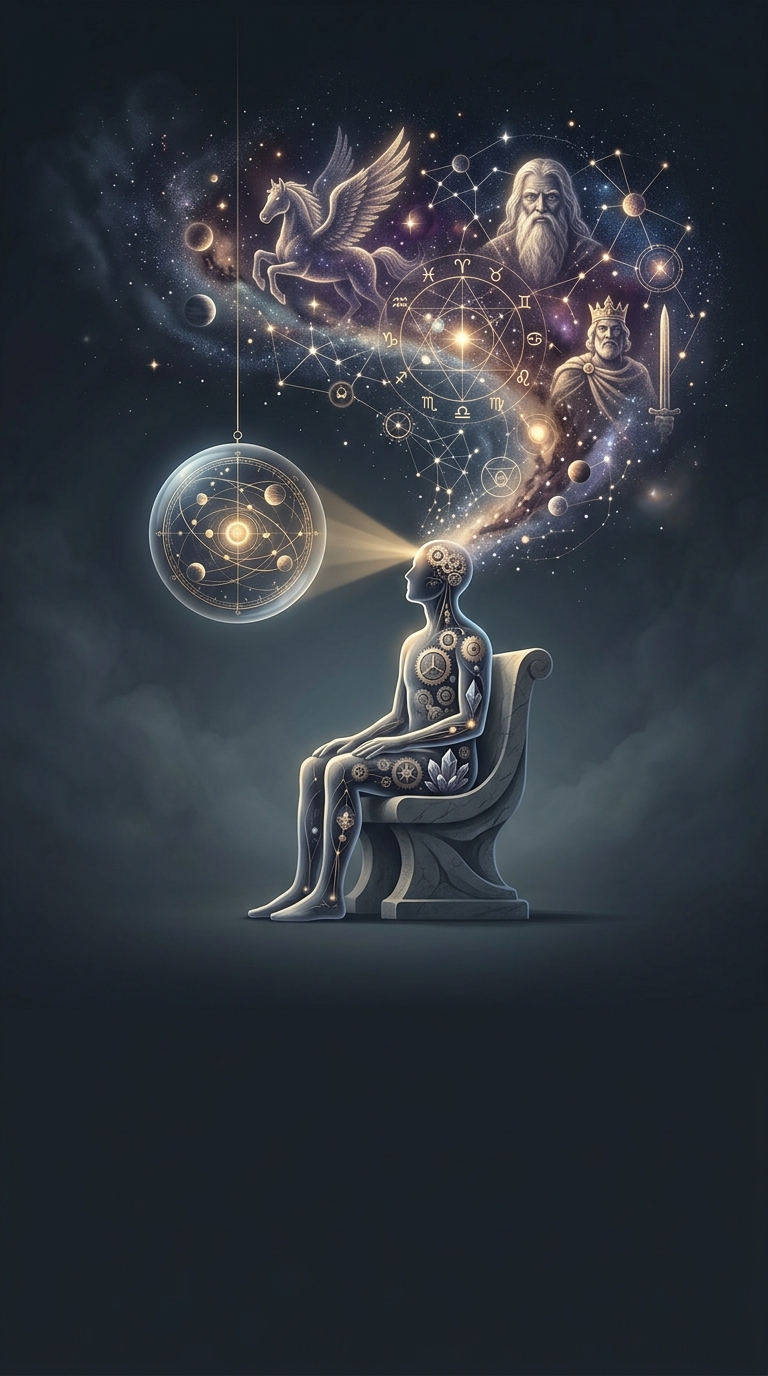
Astrologers associate Uranus with disruption, experimentation, and departures from convention. They combine that symbolism with the sign to describe the style of change: Sagittarius is linked with exploration, belief, and learning, while Capricorn is linked with institutions, authority, and work. That is how astrologers build interpretations connecting these placements to themes such as travel, higher education, or changing workplace norms.
The interpretation is collective rather than individual. In a birth chart, astrologers also consider Uranus’s house—the life area assigned to it by the chart—and its angles to other planets. Those details are used to make a more personal reading, while the sign alone supplies a broad generational frame.
These associations are part of astrology’s symbolic tradition, not established evidence that a planet’s position causes a generation’s interests or behavior. The useful distinction is between a shared astrological label and a claim about every person born under it: a slow-moving planet can mark a cohort in a chart, but it cannot by itself explain what that cohort actually does.