A reaction becomes a reusable gesture
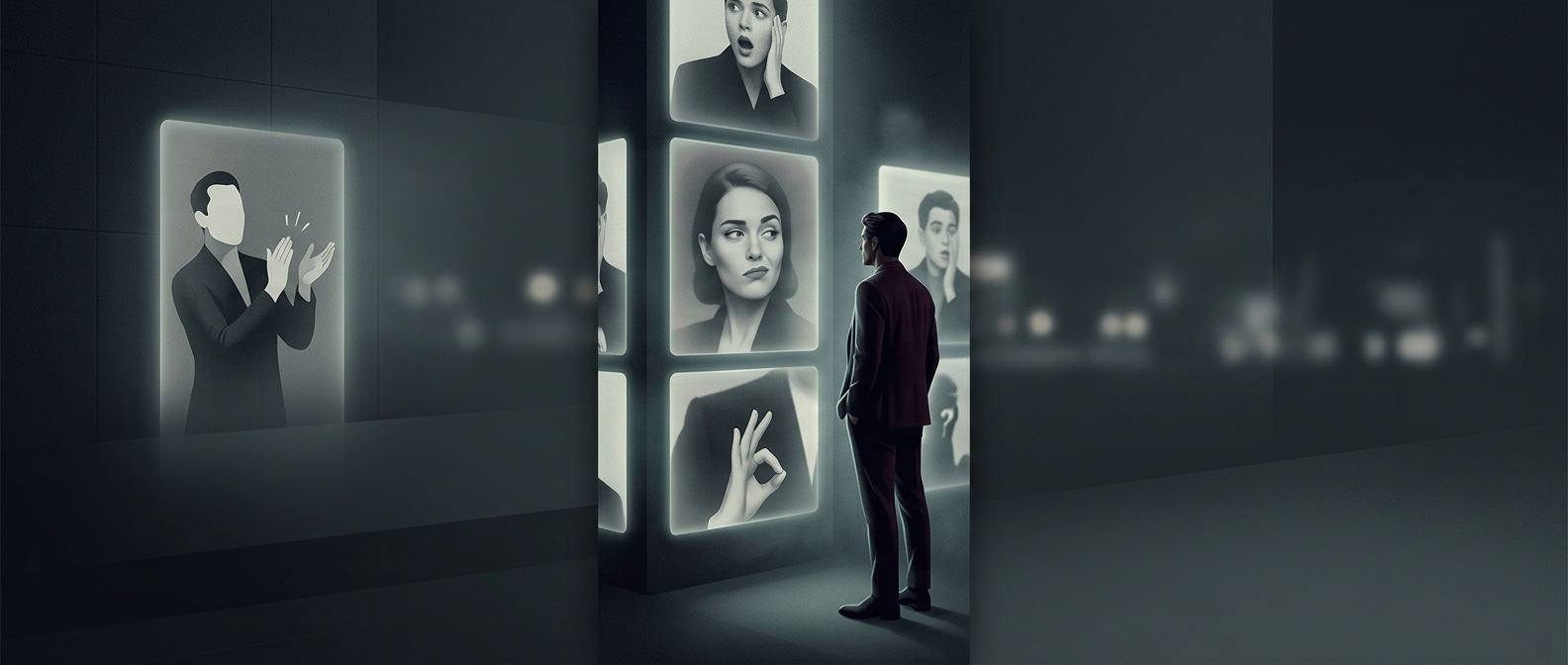
A written reply has to name a feeling—“I’m delighted,” “that’s awful,” “I can’t believe it.” A reaction GIF can instead show a face or movement that already carries emotional force: a wince, a slow clap, a burst of laughter. Because the image repeats, the response stays present while the conversation moves on. It works less like a sentence than like a raised eyebrow or a theatrical sigh.
That makes the clip efficient, but not self-explanatory. The sender supplies the situation; the viewer reads the expression through it. A tearful face might signal genuine sadness, mock despair, or laughter so intense it brings tears. The surrounding messages—and the participants’ shared familiarity with the clip—help determine which reading fits.
Shared references add tone—and risk
Many reaction clips come from entertainment, so recognizing the person or scene can add a second layer: the reply conveys both an emotion and an allusion. But the reference is optional. Someone who does not know the source can still understand a dramatic eye-roll, while missing why that particular moment was chosen.
The format also changes what a reply can do. A loop delivers tone quickly and can soften a blunt written response, but it may leave the sender’s exact meaning open to interpretation. That is why the same clip can feel affectionate in one exchange and dismissive in another: the image supplies the performance, while the conversation supplies its meaning.