Why a chat can outrun its audience
A livestream chat is not a conversation in the ordinary sense. In a small group, people take turns, and a message remains visible long enough for someone to answer it. In a busy stream, many viewers send messages at once. Each new line pushes earlier ones upward, so the time available to notice a message may be shorter than the time needed to read and understand it.
The streamer faces an extra constraint: watching chat competes with hosting. They may be speaking, playing a game, monitoring the broadcast, or responding to something happening on screen. Even a readable message can vanish from attention while they handle those other tasks. Viewers who keep up with the live video may also miss lines that appear between glances.
When conversation becomes a crowd signal
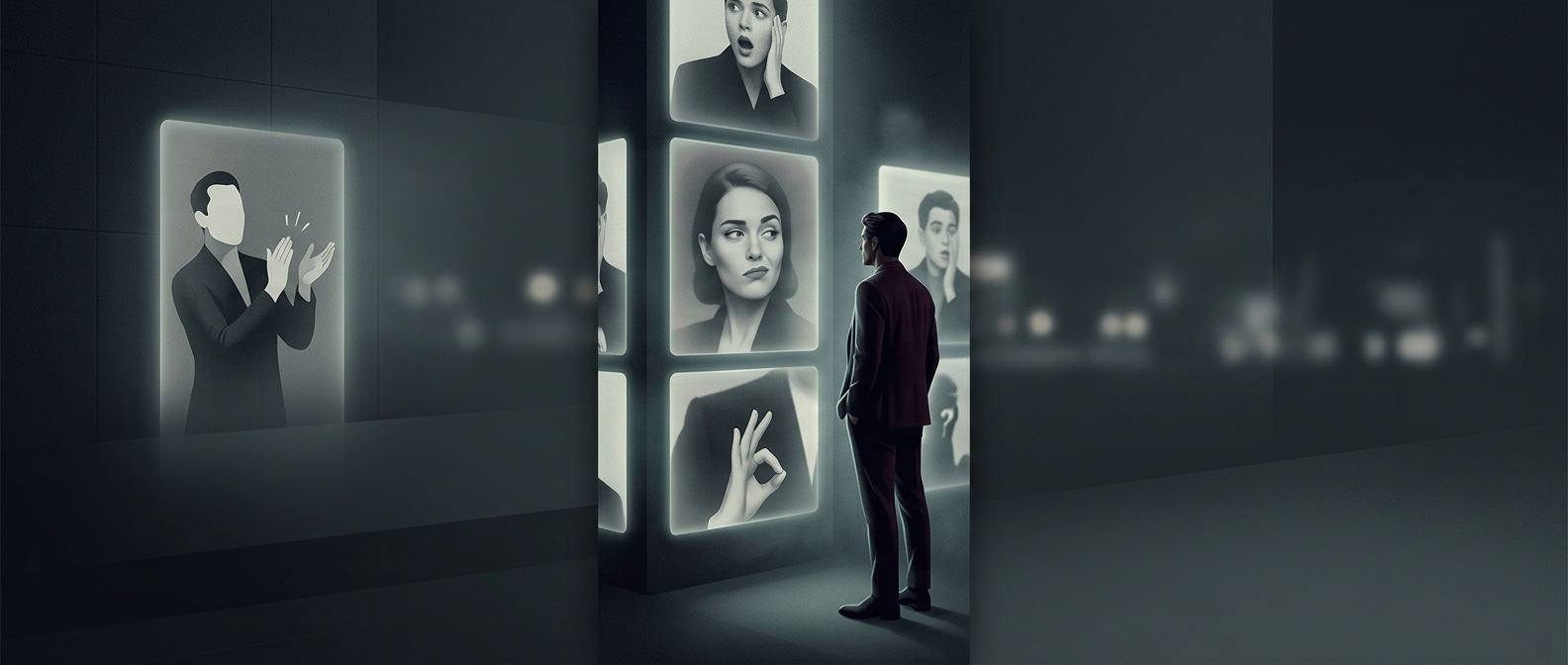
As the flow accelerates, chat often works less like a sequence of individual comments and more like a changing picture of the audience. Repeated words or emotes can show a shared reaction—a joke landing, a surprise, or disapproval—even when no one can read every contribution. A single detailed question, by contrast, may be swept away without a reply simply because it arrives during a flood.
This changes what “being heard” means. A message is more likely to reach the streamer if it stands out, arrives during a quieter moment, or is surfaced through a separate way of collecting questions. In a fast chat, visibility is not the same as importance; timing and repetition can shape what gets noticed.
Slowing the stream changes the tradeoff
Streamers and moderators can use tools such as message delays or question filters to make chat easier to follow. These controls reduce the rate at which lines arrive, but they also make participation less immediate or exclude some messages from the main flow. There is no setting that preserves the speed of a packed crowd while giving every person a turn.
That is why a burst of chat can be legible as a collective reaction but nearly useless as a record of what each viewer said: the crowd is visible, while many of its individual voices pass by unread.