The face-cam turns watching into company
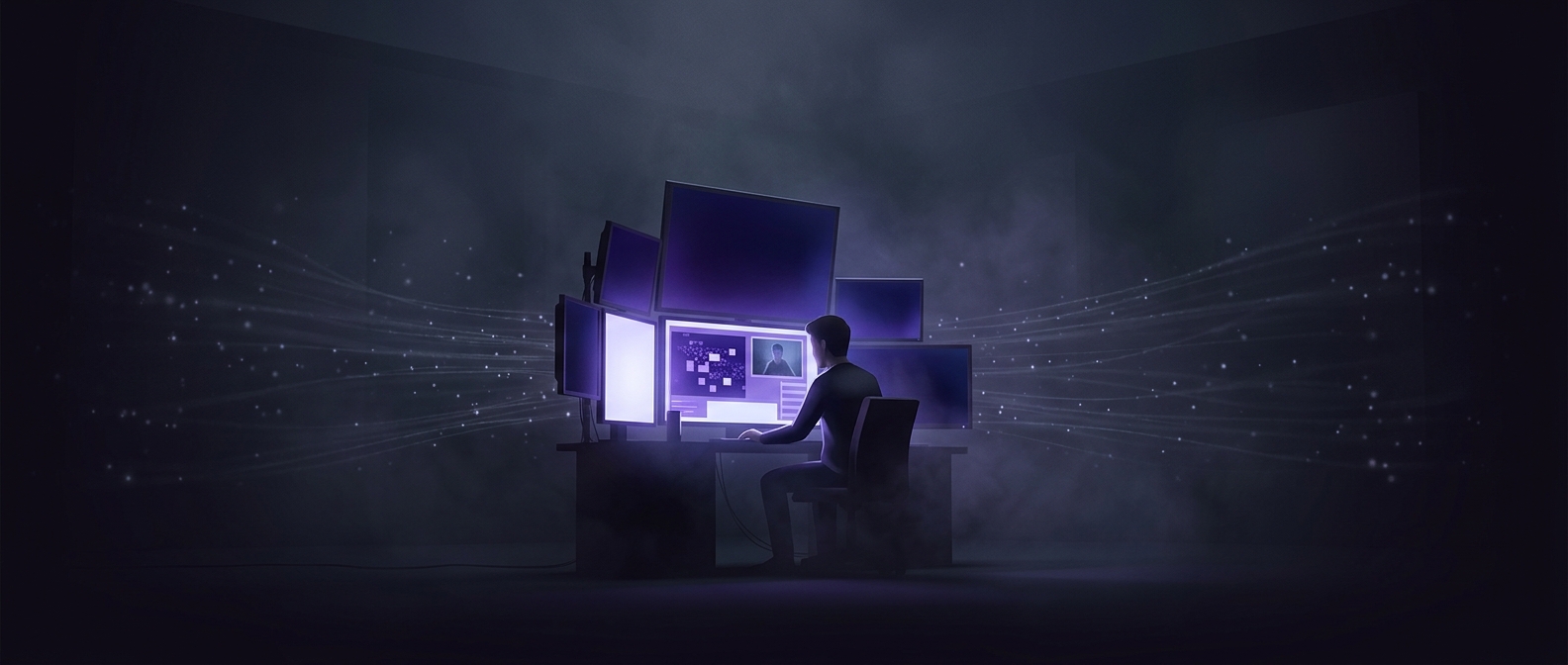
A reaction stream has two things to watch: the video being played and the person responding to it. Keeping the creator’s face visible lets viewers track small cues—a raised eyebrow, a laugh, a sudden change in expression—without losing sight of the clip. The face-cam is small, but it supplies a second layer of meaning: not only what happened, but how someone is taking it in.
Why the format can hold attention
The creator acts as a companion to the main video. Their remarks can point out a detail, explain an in-joke, or give viewers a moment to laugh together. When the stream is live, chat adds another audience to that experience: viewers can respond to the creator and to one another as the video unfolds.
That social layer helps explain why a reaction stream can continue for much longer than a single clip. The draw is not necessarily a constant stream of commentary. It can be the feeling of sharing an extended viewing session, with the creator’s presence making the screen feel less like solitary playback. The small corner of the frame is therefore doing a practical job: it keeps the original video visible while keeping the person watching it part of the show.