From a personal broadcast to a public platform
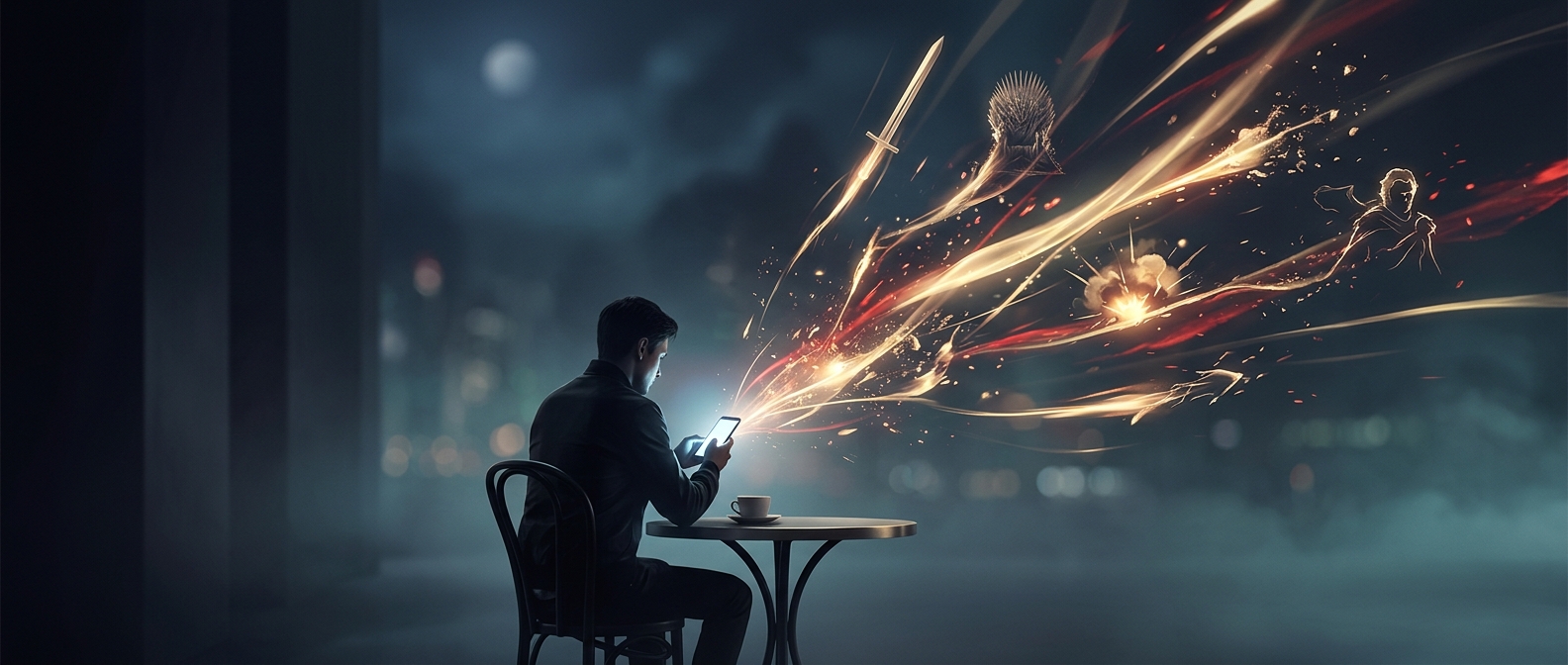
The project that led to Twitch started as Justin.tv, built around founder Justin Kan’s attempt to make his ordinary day watchable in real time. A camera attached to Kan sent a continuous feed to the internet; viewers could follow along and comment through a live chat. The experiment turned daily life into a kind of unscripted program, with the audience present not just as viewers but as participants.
That setup also exposed a practical limit: one person’s routine could only hold attention for so long. The more consequential idea was the infrastructure behind it—a service that let other people broadcast themselves, too. Justin.tv expanded beyond Kan, giving users a way to create their own live channels.
The audience reshaped the idea
As the site grew, viewers gathered around different kinds of broadcasts. Gaming drew a particularly strong audience: games naturally supplied ongoing action, while chat let viewers react together and talk with the person playing. In 2011, the company launched Twitch as a separate service focused on video-game streaming.
That change was more than a new subject for the camera. A single personal feed had become a system for many broadcasters and communities, organized around the activity people most wanted to watch live. Twitch’s origin lies in the shift from watching one person’s life to giving audiences a place to gather around live events of their own choosing.