The first seconds now have to earn the next ones
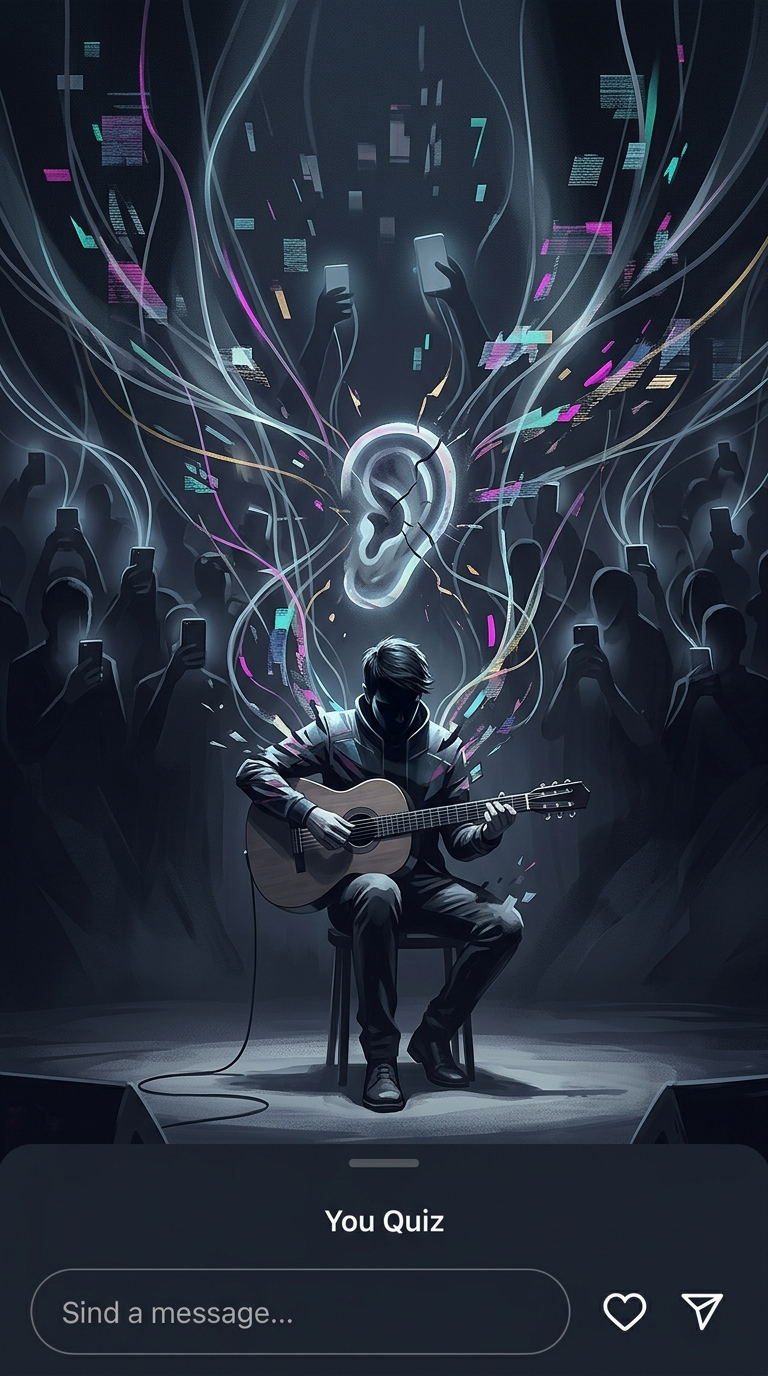
An instrumental opening once had room to establish a song’s mood before the singer arrived. Today, many pop songs bring in a voice—or at least a recognizable hook—almost immediately. That shift reflects a change in how listeners encounter music: a song may appear mid-playlist, in a short preview, or in a feed where the next track is only a swipe away.
A slow build can still work, but it asks listeners to wait before they know what the song offers. Opening with a vocal line, a distinctive sound, or a beat that quickly becomes recognizable gives the track an earlier point of connection. It also makes the opening easier to identify when heard out of context.
The intro has not vanished; it has been compressed
Producers can create atmosphere without setting aside a long instrumental passage. A track might begin with a brief sound cue, put the beat under the first lyric, or let an instrumental hook return between vocal sections. In these arrangements, the opening’s job is folded into the song rather than treated as a separate runway.
That is a design choice, not a rule imposed by streaming services. Artists still make longer openings when a gradual entrance suits the mood, genre, or album’s flow. And some songs start with instruments because the riff itself is the hook. The tradeoff is that a spare opening can build anticipation, while a quicker entrance makes the song’s identity clear sooner.
A different listening setting rewards a different opening
In the 2000s, radio and album listening gave songs more opportunities to be heard as complete tracks. Now, songs also compete in playlists and recommendation feeds, where listeners may decide quickly whether to keep listening. That pressure encourages an opening that communicates its character at once, even as musical taste and production choices remain varied.
The result is less a ban on instrumental intros than a change in where they happen: often inside the first vocal phrase, beneath it, or after the song has already made its first impression.