How a Bassline Can Pull the Body Into the Beat
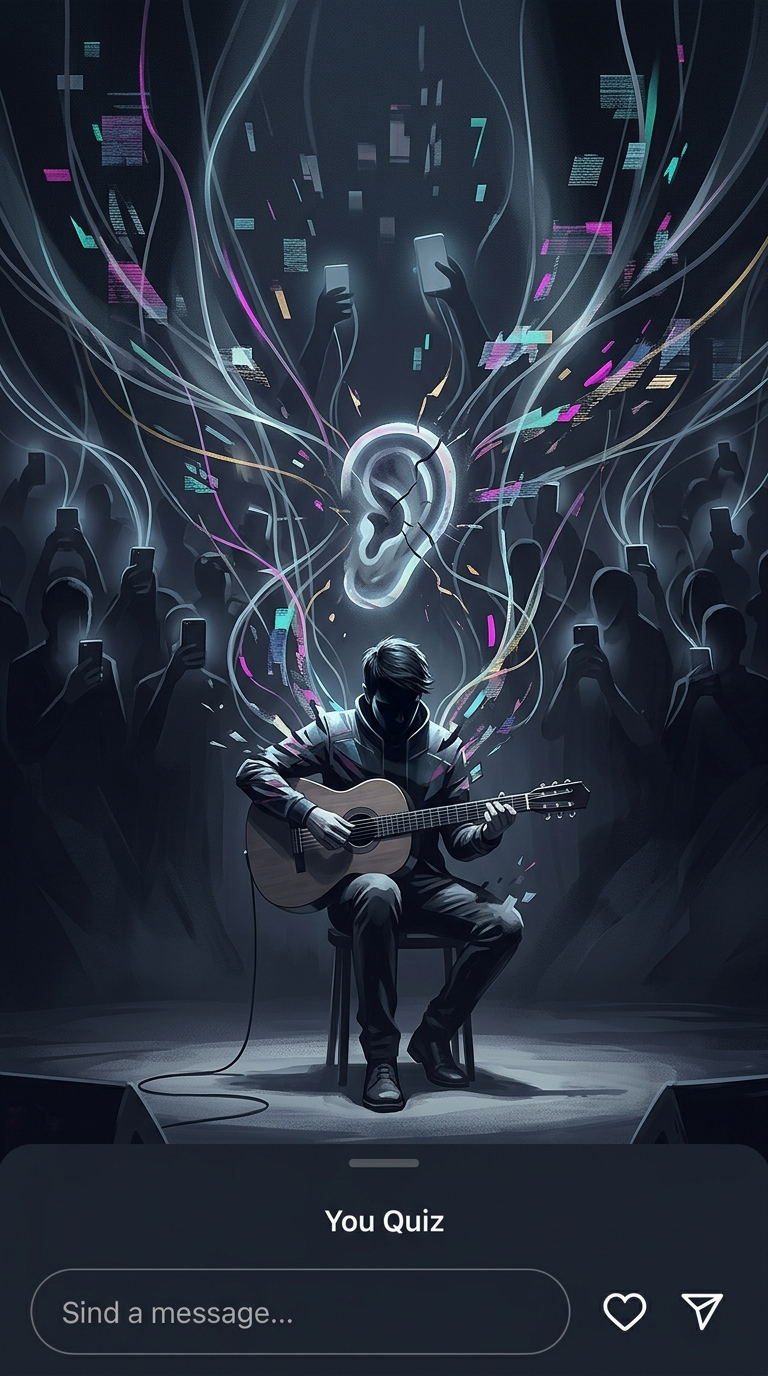
A steady bassline gives the brain a repeating pattern to predict. Once the beat feels regular, the brain starts anticipating when the next pulse will arrive—not just hearing it, but preparing the body to move with it. That link between hearing and movement helps explain why a foot may start tapping before you consciously decide to join in.
Hearing and Movement Work Together
Rhythm engages auditory areas of the brain alongside regions involved in timing and movement. These systems exchange information: movement-related circuits help the brain track a beat, while the beat can make a movement feel timely and satisfying. A nod or tap is therefore not simply a reflex to a loud sound; it can emerge from the brain’s effort to synchronize with a predictable rhythm.
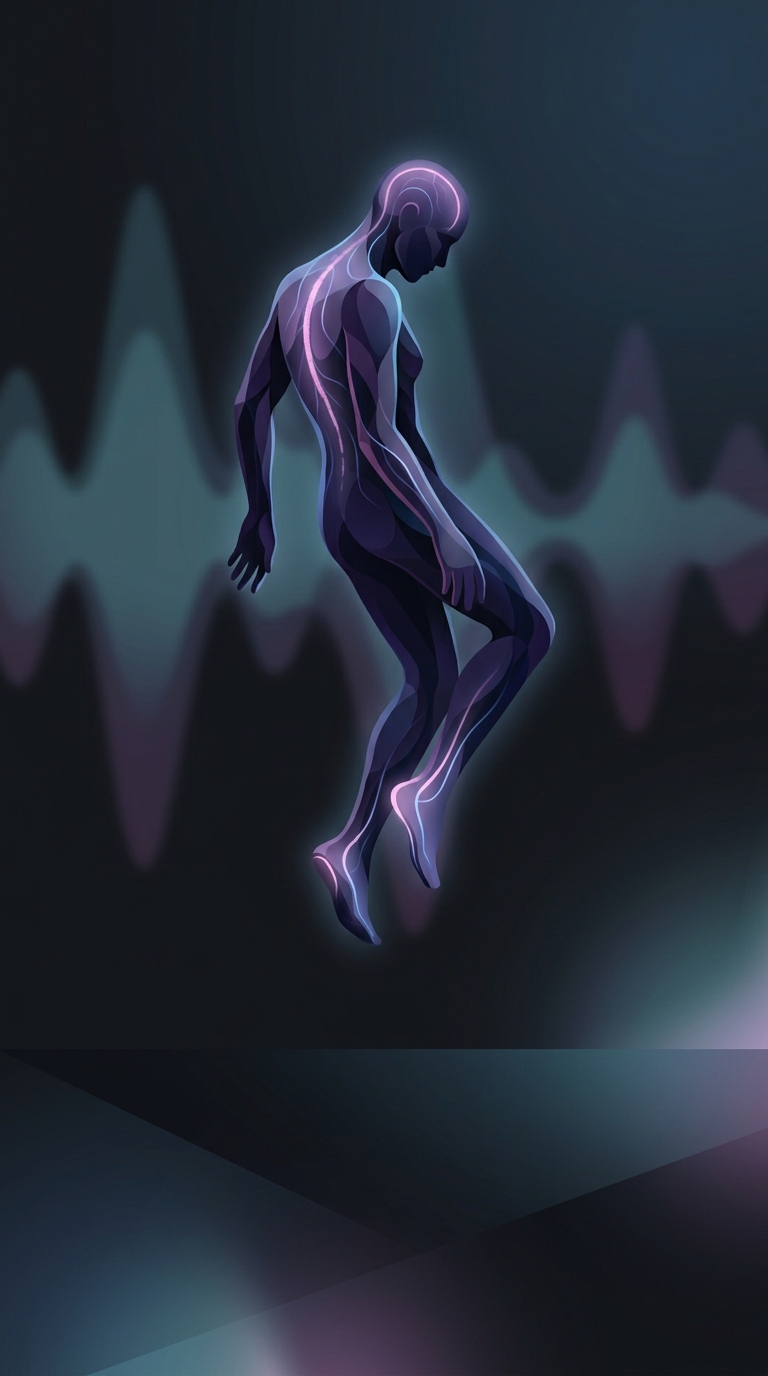
Bass can make that rhythm especially compelling because low notes often mark the pulse clearly, and at high volume they may also be felt as vibration. Both the audible pattern and the physical sensation can reinforce the sense of a beat. The effect depends on the music, the listener, and the setting—an irregular rhythm or a distracted listener may not prompt any movement.
The Beat Suggests a Move, It Doesn’t Command One
The urge is better understood as an invitation than an inability to resist. People can stay still, and not everyone responds in the same way. But when a strong, regular pulse gives the brain an easy timing pattern, tapping along may take less effort than holding still. That small movement is the body making its own prediction visible.