Why high-school songs can sound better years later
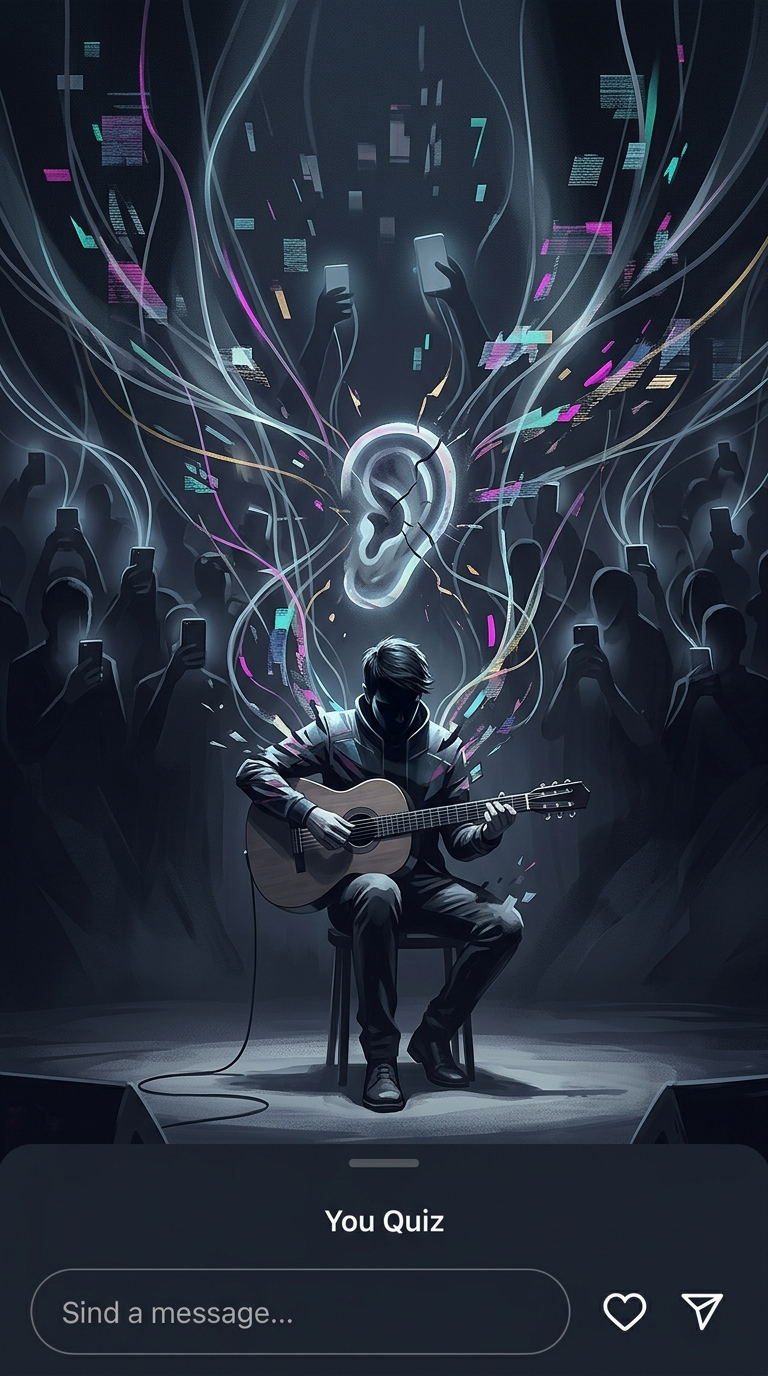
A song from adolescence arrives with more than its melody. It can bring back the people, places, and first experiences that surrounded it: a crowded car, a school dance, or the walk home with headphones on. Because music is tightly linked to autobiographical memory, hearing a familiar track can make those old moments feel close again. The emotional force of the memory can spill over into the song itself.
The music became part of your identity
The teen years and early adulthood are often a period of intense change. People are forming tastes, building friendships, and trying out versions of who they might become. Songs chosen during that time can become markers of those discoveries. A track that once felt daring or personal may now seem especially meaningful—not necessarily because its production is objectively better, but because it belongs to a formative chapter of life.
That effect is reinforced by repetition. Songs heard again and again become easy to recognize and anticipate. Familiarity can feel pleasurable: you know when the chorus will hit, and your memory supplies the surrounding scene. New music has not yet accumulated those associations, so it may initially feel less powerful even when it is well made.
Nostalgia changes the comparison
There is also a built-in imbalance. Older favorites have had years to gather memories, while new tracks are being judged in the present, without that history. Nostalgia tends to preserve the emotional highlights and soften the ordinary details, too. So the comparison is not simply between two songs; it is between a new song and an old song carrying a whole personal soundtrack.
That does not mean current music cannot become someone’s future favorite. It means a song’s lasting appeal is partly made over time—in the life that grows around it.