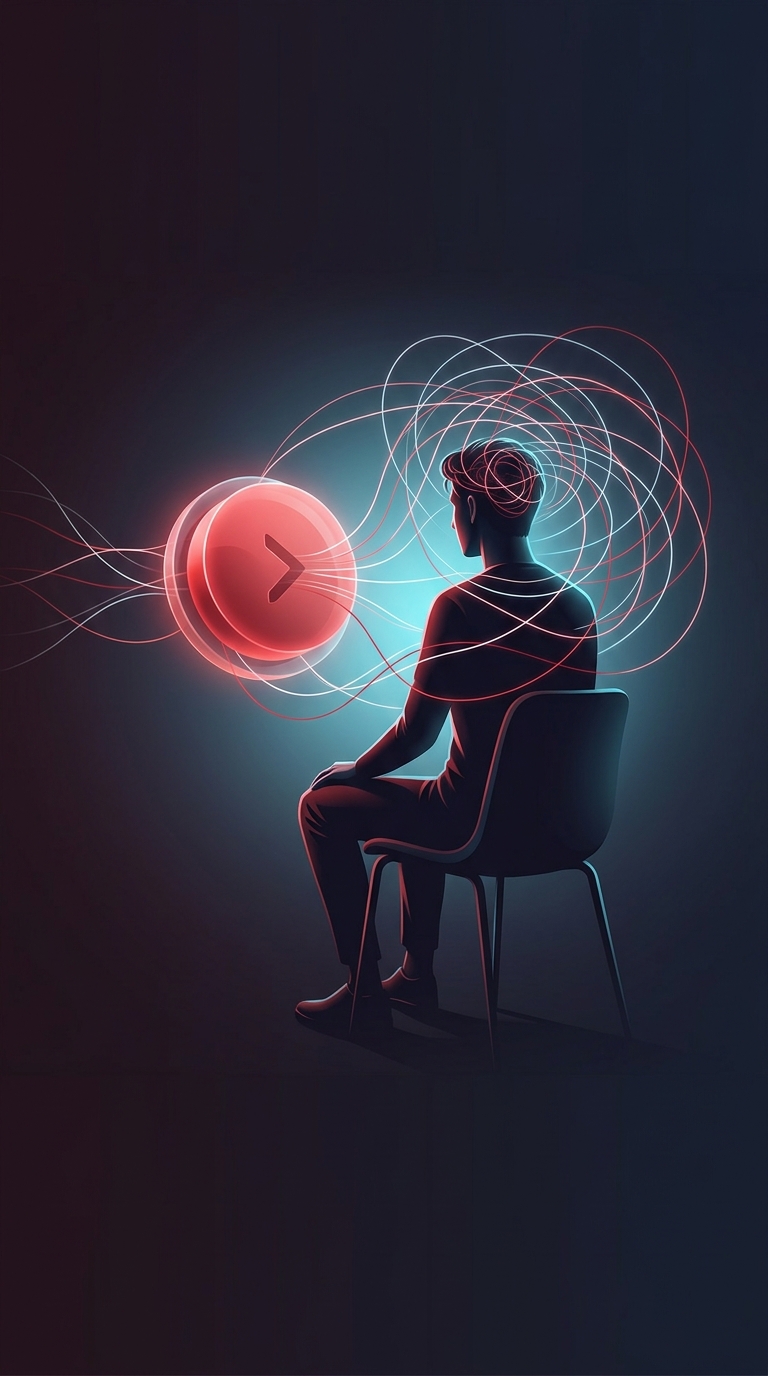
How “Skip Intro” Can Turn One Episode Into the Next
An opening sequence gives viewers a small pause. They can listen to the theme, settle in, or decide whether they want another episode. A “Skip Intro” button removes that pause with one tap—and that can make continued watching feel less like a fresh choice and more like the default.
The effect is a familiar one in behavioral psychology: reducing friction makes an action easier to repeat. When the recap or credits roll and the next episode is ready, a viewer no longer has to sit through the opening or make a deliberate choice to fast-forward. The story resumes almost immediately. If the viewer is already engaged, that tiny convenience can help carry them forward.
A Small Choice, Repeated Across Episodes
The button does not force anyone to keep watching, and skipping an intro is not itself proof of binge-watching. Its influence is subtler: it removes a routine stopping point from the viewing experience. Paired with features such as autoplay, which starts another episode unless the viewer intervenes, the smoother transition can make “one more” require less effort than stopping.
That is why a convenience feature can also shape behavior. It saves time for viewers who have already seen the opening, while making the boundary between episodes less noticeable. The next time a familiar theme disappears at a tap, the show has lost not just an intro—it has lost one of the moments when a viewer might pause and decide whether to continue.