The game is only one part of the job
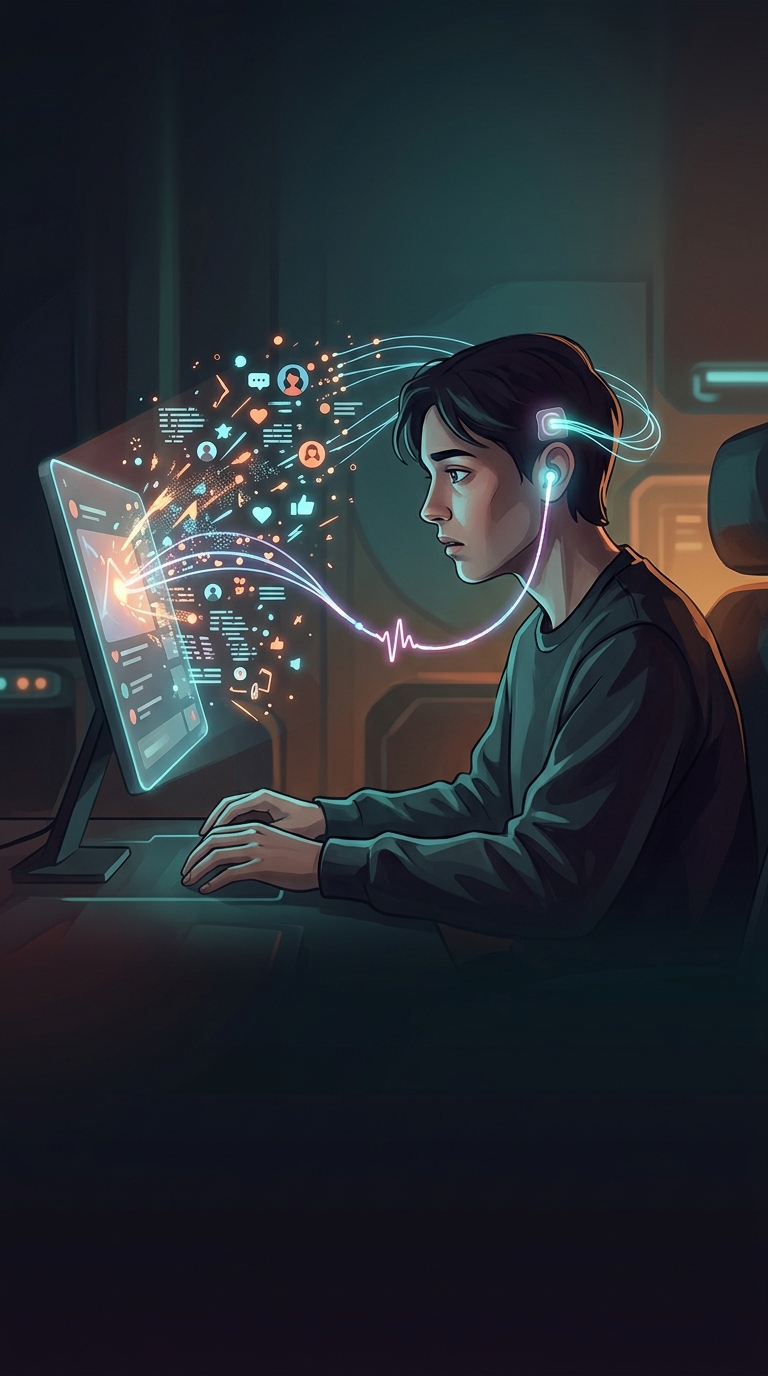
A skilled player may look as if they are simply playing, but a live stream adds several tasks at once. The streamer may be explaining decisions, reading chat, reacting to alerts, and keeping the broadcast engaging while tracking what is happening in the game. Each task competes for attention, especially when a crucial move requires quick judgment.
That competition matters because expertise does not make every action effortless. Familiar sequences can become automatic, but an unexpected situation still demands conscious attention. If a streamer turns to answer chat or narrate a thought at the wrong moment, they can miss a cue, press the wrong control, or make a decision they would have avoided in silence.
Skill does not eliminate human error
Game skill is also specific: knowing how to aim, manage resources, or read an opponent does not guarantee perfect attention under pressure. Fatigue, frustration, and a long session can make it harder to notice small details. And some games punish a tiny lapse immediately, turning an ordinary slip into a dramatic failure.
There is a visibility effect, too. A mistake made on stream is witnessed by an audience and can be replayed or clipped; a comparable error by someone playing privately leaves no record. The most amusing blunders are also more likely to be shared than uneventful moments of competent play.
Performance changes the calculation
Streamers are not always trying to play as safely as possible. Taking a risk, experimenting, or staying engaged with viewers can make for a more entertaining broadcast, even if it slightly raises the chance of a mistake. The apparent contradiction is that high-level play happens inside a noisy, public performance—not in a laboratory devoted only to winning.