Why the rows seem to wander
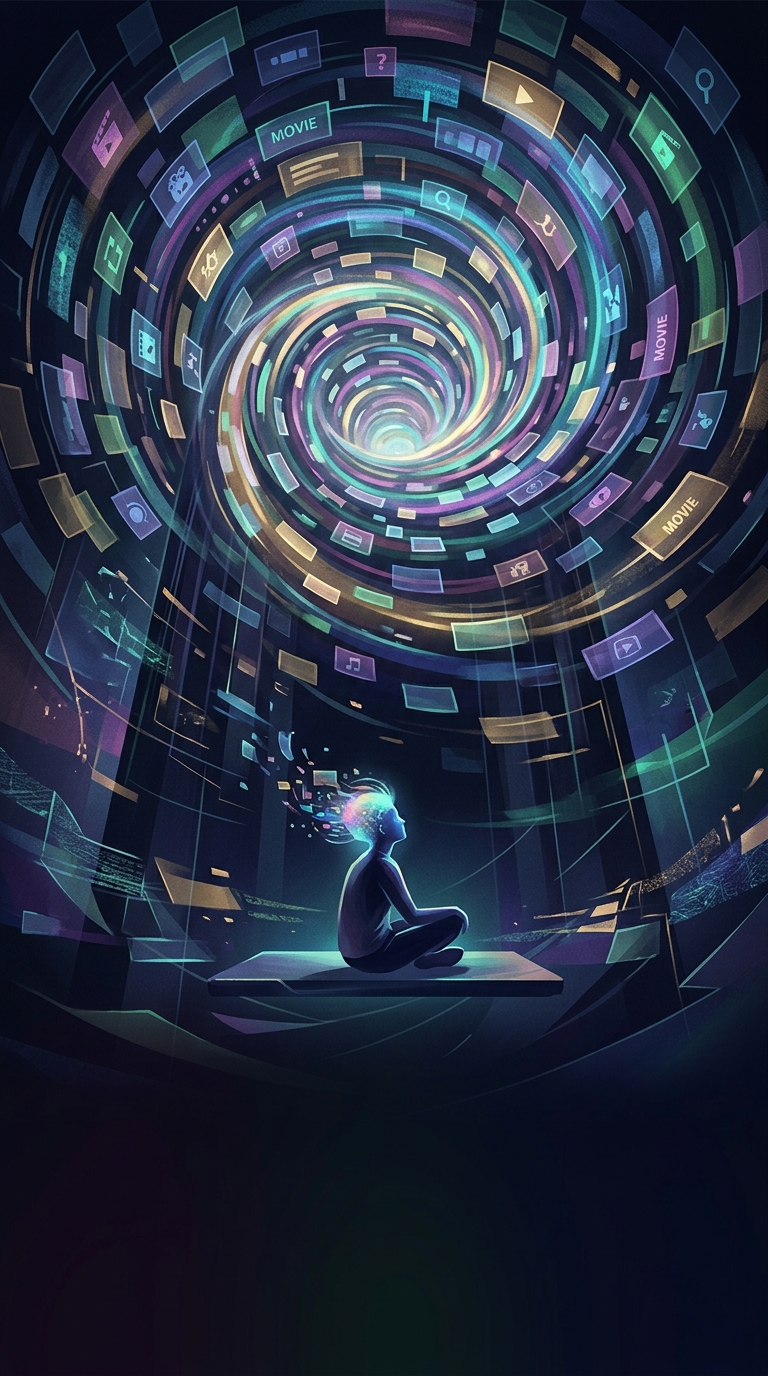
An alphabetical list is easy to scan, but it treats every title as equally relevant. Streaming services instead arrange shows and movies in rows such as “Because You Watched…” or “Popular Now,” then reorder and personalize those rows using signals like viewing history, searches, and what a viewer starts or finishes. The aim is to make a plausible next choice visible without requiring the viewer to know its title in advance.
Browsing is part of the design
Rows also give platforms several chances to catch a viewer’s attention. Someone who skips one category may stop at another; a familiar actor, a new release, or an unexpected match can prompt a play. This can make the interface feel like a shelf full of discoveries rather than a catalog to search from A to Z.
That variety is not pure randomness. Categories and placements are selected and arranged by the service, and different viewers may see different mixes. The apparent disorder helps keep the viewer browsing—and increases the chance that browsing turns into watching. The tradeoff is that a title’s location can be hard to predict, so finding something specific may take longer than it would in a simple alphabetical list.