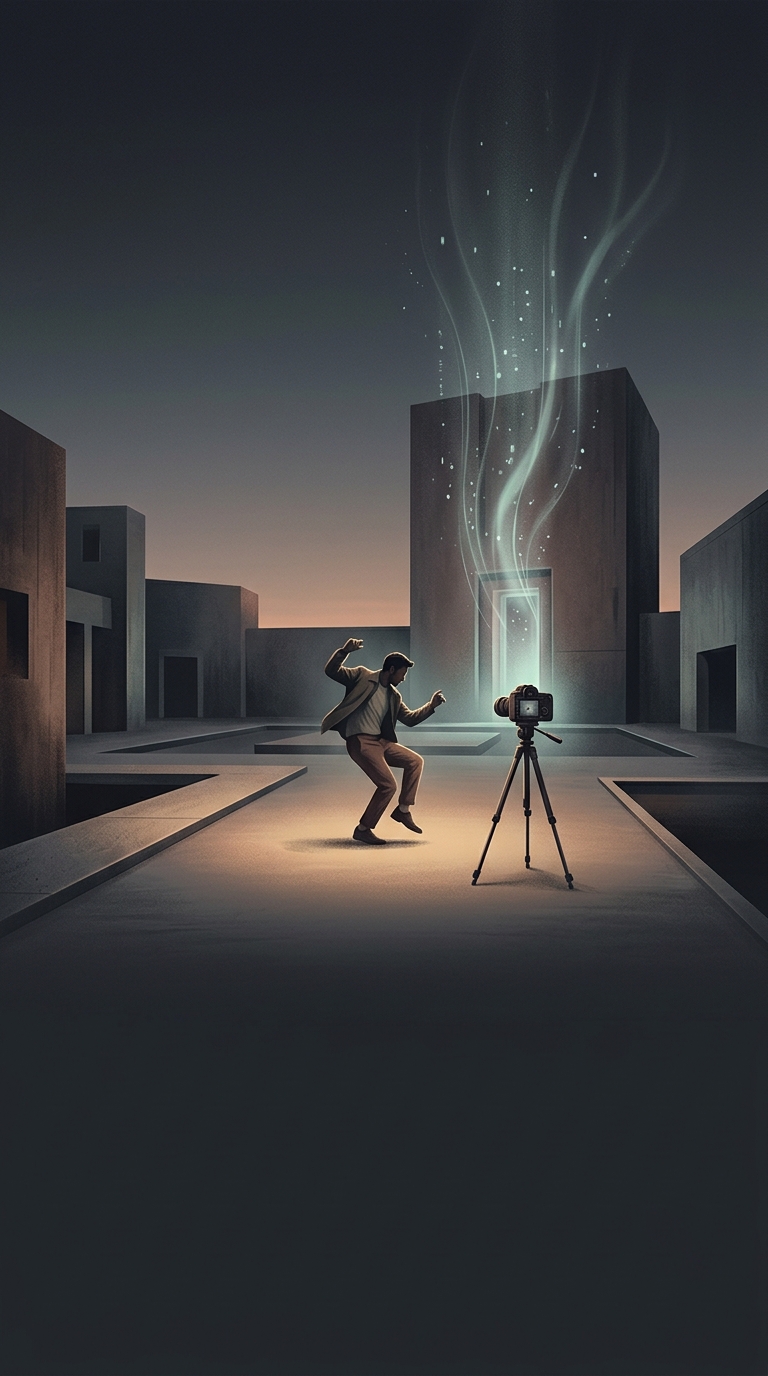
A Monkey Dance Became a Streaming Test
Before Netflix could send films smoothly to viewers, its engineers needed a clip they could use to test the whole delivery chain. Their homemade footage—a man dancing in a courtyard—served as test material, not as a planned show or movie for subscribers. Its oddness is part of the story: the clip mattered because it could be run through the system, not because it was meant to entertain.
What the Footage Helped Engineers Check
Streaming a video involves more than putting a file online. The service must encode it into formats and quality levels that work across different devices and internet connections, then deliver the data quickly enough for playback. Engineers could send their test clip through those steps and watch for problems such as failed playback, poor picture quality, or interruptions.
That made a short, controllable piece of footage useful during development. If something went wrong, the team could focus on the streaming system rather than on the complexities of a finished film or television production. Reusing the same clip also made it easier to compare how the service behaved under different technical conditions.
A Small Start for a Large Pipeline
The footage was a practical stand-in for the content Netflix would eventually stream at scale. Its place in the company’s early technical work shows how a viewer-facing service begins with less glamorous questions: Can the video be prepared correctly, delivered, and played reliably? Before audiences could press play on a polished production, engineers had to make sure even a courtyard dance could get from their servers to a screen.