A global release turns viewing into a timing problem
When a series drops all at once, viewers no longer have to wait for different countries or broadcast schedules to catch up. But “simultaneous” means the episode becomes available at the same moment, not that everyone watches it at the same speed. Some fans finish immediately; others are still commuting, working, or saving the finale for later.
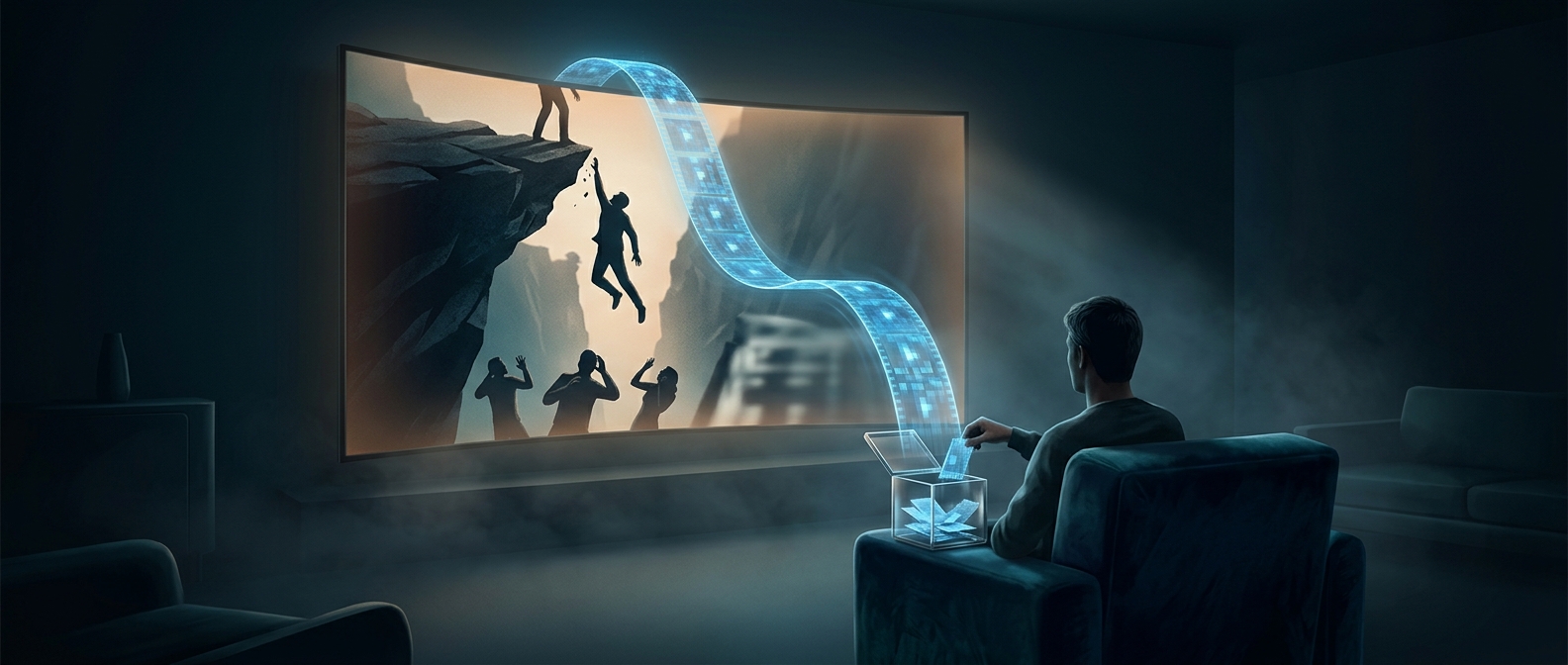
That gap creates a temporary race between watching and hearing what happens. A person who finishes early can post a reaction while much of the audience is still unspoiled only by chance.
Why one post can outrun the episode
A spoiler does not need to reach every fan to spoil a show. It only has to appear in a feed, a group chat, or a search result before a viewer reaches the scene. Social platforms make that easy: a short post can travel beyond the writer’s followers through sharing and recommendations, while a revealing image or headline can give away a twist without anyone deliberately opening a recap.
The result is a mismatch between the pace of a story and the pace of online conversation. The episode may take hours to watch; a plot reveal takes seconds to type and can circulate while viewers are asleep or offline.
The tradeoff behind the shared premiere
A common release time gives fans a common starting point for discussion, which can make a premiere feel like a collective event. The same concentration of viewers also concentrates reactions, theories, and plot details in public spaces. Staggering releases would spread that conversation out, but it would also leave some audiences waiting while others have already watched.
For viewers, avoiding spoilers becomes less about finishing first than managing exposure: muting keywords, delaying social feeds, or watching before opening them. A finale can be released to everyone at once—and still reach someone online long before it reaches their screen.